
NFCR Global Summit
and Award Ceremonies For Cancer Research & Entrepreneurship
Friday, October 9, 2026 | The National Press Club, Washington, DC
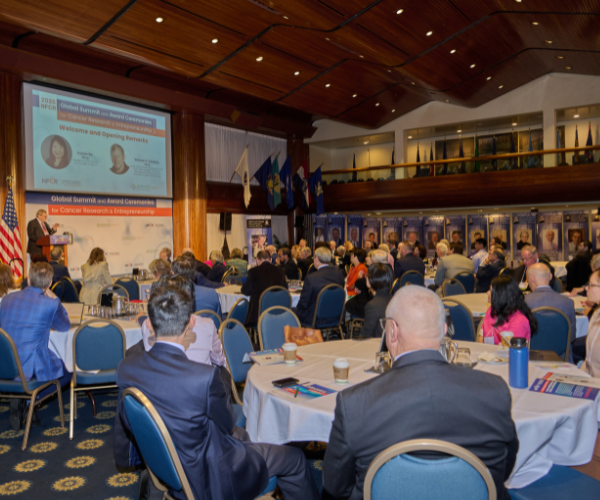
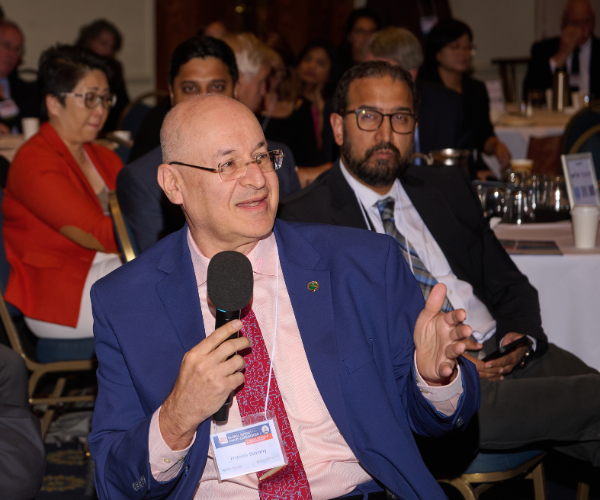
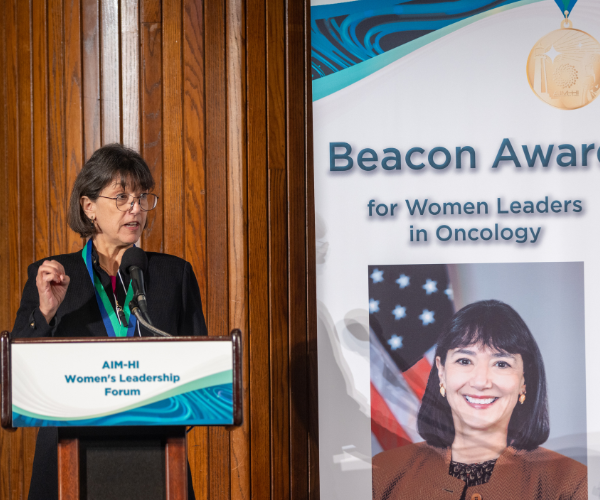
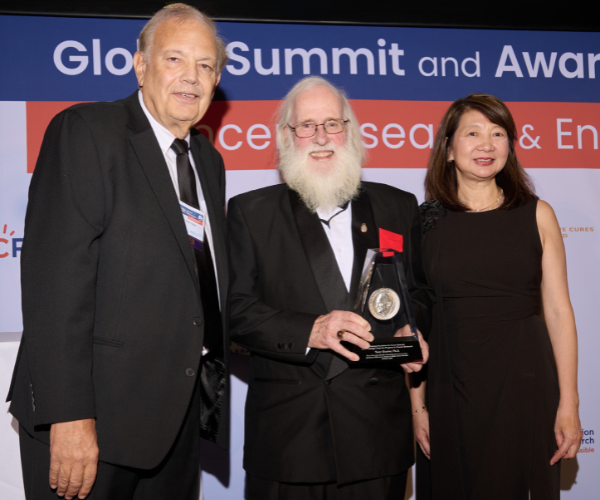
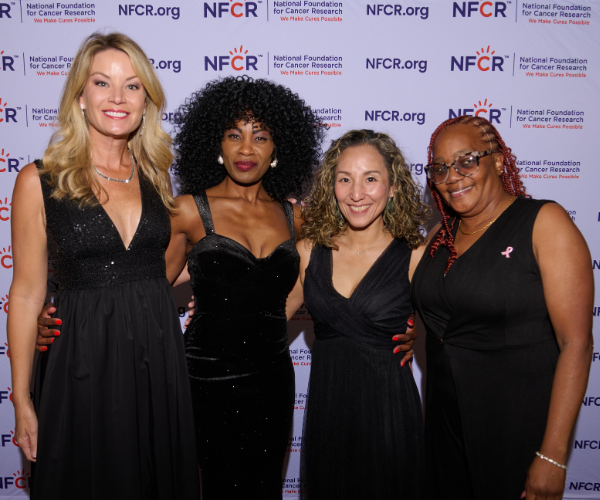

Below is the esteemed list of speakers at our 2026 Global Summit and Award Ceremonies for Cancer Research & Entrepreneurship, listed in order of appearance. Click on a speaker to read their bio.
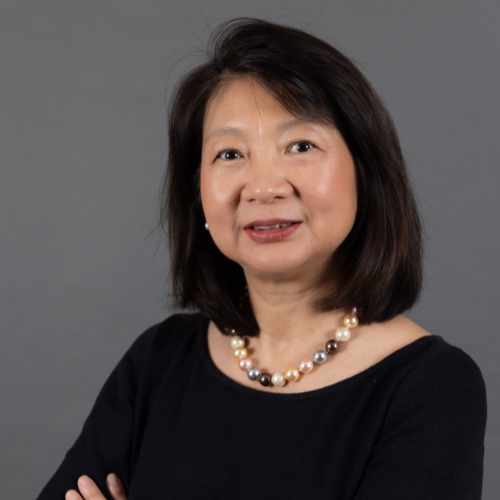
Sujuan Ba, Ph.D.
CEO of NFCR and Co-Founder of AIM-HI Accelerator Fund
Dr. Sujuan Ba is President & CEO of the National Foundation for Cancer Research and Co-Founder of the AIM-HI Accelerator Fund, leading global efforts to fund innovative cancer research and early-stage oncology startups. She co-founded the Global Coalition for Adaptive Research and established major initiatives like the Szent-Györgyi Prize and the AIM-HI Venture Competition, supporting hundreds of oncology companies worldwide. Learn More >>>
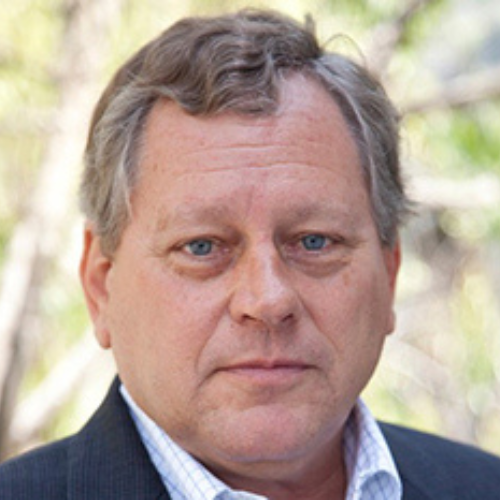
Webster K. Cavenee, Ph.D.
University of California San Diego
Dr. Webster Cavenee is a pioneering cancer geneticist and Distinguished Professor Emeritus at UCSD, renowned for discovering the genetic basis of cancer predisposition and progression. An elected member of the National Academy of Sciences, he has authored over 380 papers and received more than 120 honors, including the Charles S. Mott Prize and the Szent-Györgyi Prize. Learn More >>>

Bruce Beutler, M.D.
2011 Nobel Laureate in Physiology or Medicine
Dr. Bruce Beutler discovered an important family of receptors that allow mammals to sense infections when they occur, triggering a powerful inflammatory response. For this work, he received the 2011 Nobel Prize in Physiology or Medicine.
Dr. Beutler is currently a Regental Professor and Director of the Center for Genetics of Host Defense at UT Southwestern Medical Center. He also holds the Raymond and Ellen Willie Distinguished Chair in Cancer Research. His work has received numerous honors, including the Shaw Prize, the Albany Medical Center Prize in Medicine and Biomedical Research, election to the National Academy of Sciences and Institute of Medicine, the Frederik B. Bang Award, the Balzan Prize, the Gran Prix Charles-Leopold-Mayer, the William B. Coley Award, the Robert-Koch-Prize, and other honors.

Doug Lowy, M.D.
Deputy Director of NCI
Douglas R. Lowy, M.D., is Chief of the Laboratory of Cellular Oncology and, since 2010, has also served as Principal Deputy Director of the National Cancer Institute (NCI). He has previously served as acting director four times during his tenure, most recently from November 2023 through December 2023. Dr. Lowy received his medical degree from New York University School of Medicine in 1968, and trained in internal medicine at Stanford University and dermatology at Yale University. He has directed a research laboratory at NCI since 1975, after receiving training as a Research Associate in the National Institute of Allergy and Infectious Diseases.

Kapil Parakh, MD
Google
Dr. Kapil Parakh is a practicing cardiologist trained at Johns Hopkins, who now serves as a Senior Medical Lead at Google. Over the past decade, he’s launched products reaching over a billion people. He’s also an adjunct associate professor at Georgetown and the author of Searching for Health. He partners with leading healthcare and life sciences organizations to harness Google’s AI and technology to transform the way they work. I draw on experience across medicine, innovation, and leadership to guide organizations in turning emerging technologies into meaningful improvements in health.
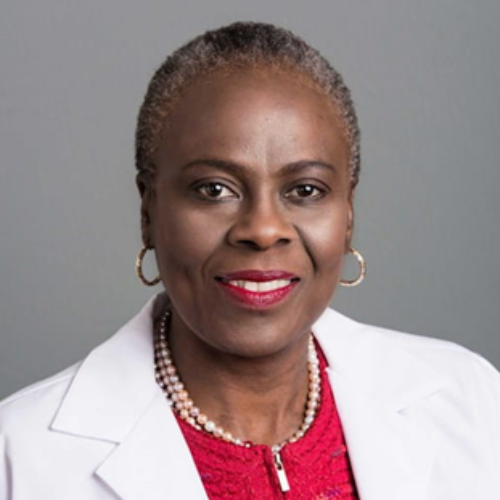
Olufunmilayo I. Olopade, M.D.
UChicago Medicine
Dr. Olopade is a MacArthur “Genius” Fellow and a global leader in breast cancer genomics and health equity. Her research has transformed risk assessment and precision treatment for aggressive breast cancers, especially in underserved populations.

David Hall
Chief Revenue Officer, Hill Research
David A. Hall is Chief Revenue Officer of Hill Research, an AI-native clinical development company pioneering agentic AI for clinical trials. Its TriClick™ platform is backed by frontier AI research, with 50+ papers at leading global AI conferences including ACL, AAAI, and EMNLP, as well as a growing patent portfolio, bringing cutting-edge AI into real-world clinical development and oncology programs.
David brings three decades of experience across AI, healthcare, public service, and global innovation.

Bill Lotter, Ph.D.
Dana-Farber Cancer Institute and Harvard Medical School
Dr. Lotter is an Assistant Professor at the Dana-Farber Cancer Institute & the Harvard Medical School. He was previously the CTO & Co-Founder of DeepHealth Inc. (acquired by RadNet Inc.), where he led the development and large-scale deployment of FDA-cleared products that use AI to assist in mammogram interpretation.
His AI/ML experience spans the domains of medical imaging, neuroscience, algorithmic trading, and sports analytics. He leads an interdisciplinary research group with a goal of solving real-world problems in medicine and computational biology using AI. They aim to realize this impact through collaborative research along the full clinical application pipeline – from algorithm development to the science of clinical integration itself. This research builds upon their experience in developing FDA-cleared products that have been used across millions of patients.

Eytan Ruppin, M.D., Ph.D.
Deputy Director of Translational Research Institute, Cedars-Sinai
Eytan Ruppin, M.D., Ph.D., is Deputy Director of the Translational Research Institute and Director of Integrative Data Sciences at Cedars-Sinai. His research focuses on developing new AI-driven approaches for fast and readily available patient survival and response biomarkers that lay the basis for democratizing cancer patients’ care.
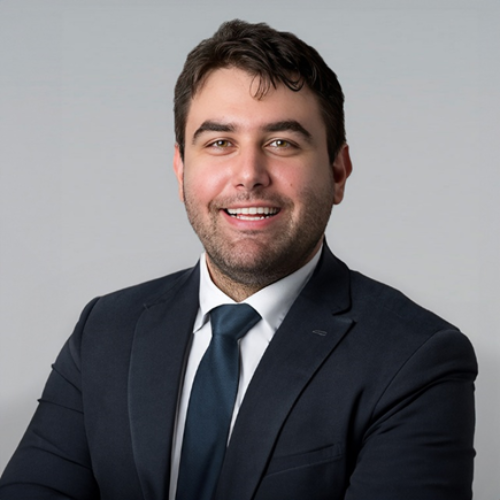
Ludmil B. Alexandrov, Ph.D.
University of California, San Diego
Dr. Ludmil Alexandrov is a UCSD professor who pioneered the field of mutational signatures, now foundational to cancer genomics. A Forbes “30 Under 30” honoree, he leads efforts to apply AI to cancer prevention and health equity.

Josefa Briceno, M.D.
AstraZeneca
Dr. Briceno is a surgical oncologist from Caracas, Venezuela, specializing in GI surgical oncology. She completed internships at the 12 de Octubre Hospital in Madrid in liver transplantation and hepatobiliary surgery and at Memorial Sloan Kettering Cancer Center in hepatobiliary and gastric surgery. After practicing for 13 years in Venezuela, she moved to the United States and began a career in the pharmaceutical industry. She joined AstraZeneca in 2015 as a Medical Science Liaison in Women’s Cancers. In 2016, Dr. Briceno transitioned to AstraZeneca’s headquarters, taking on roles of increasing responsibility in Medical Affairs and leading multiple launches for Faslodex, Lynparza, and Enhertu across different tumor types. She served as Breast Cancer Medical Head for almost five years, overseeing inline and pipeline breast cancer assets, U.S. Medical Affairs breast cancer strategy, and a team of experts.

Teresa Davoli, Ph.D
New York University School of Medicine
In 2018, Dr. Davoli started her lab at the Institute for Systems Genetics at NYU School of Medicine, where her team uses functional genetics and computational approaches to study the causes and consequences of genomic instability in cancer.
Her lab focuses on chromosome gains and losses in solid tumors, including oral, colorectal, and breast cancers, as well as melanoma. Dr. Davoli’s research has shown that tumors with high levels of aneuploidy tend to be immune cold and less responsive to immunotherapy. Her work has also examined how loss of chromosome 9p is associated with an immune-cold tumor environment and resistance to immune checkpoint therapy. Her long-term goals are to decipher how aneuploidy can be utilized as a biomarker for therapy response and as a potential target for novel cancer treatments that take advantage of synthetic lethalities associated with the aneuploid state.
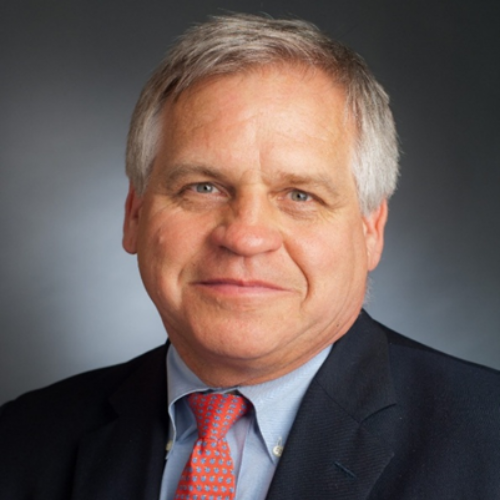
Bruce Johnson, M.D.
Dana-Farber Cancer Institute
Dr. Bruce Johnson is a leading lung cancer expert at Dana-Farber and the past President of ASCO. His groundbreaking work in identifying EGFR and BRAF mutations transformed lung cancer treatment worldwide.
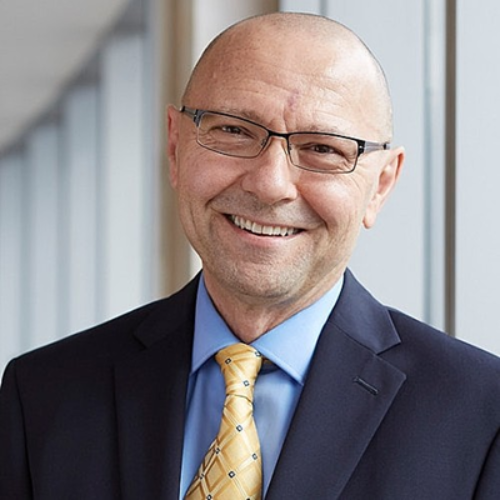
Dan Theodorescu, M.D., Ph.D.
University of Arizona Cancer Center
Dr. Dan Theodorescu is Director of the University of Arizona Cancer Center and a globally recognized bladder cancer researcher. He developed COXEN, a precision therapy approach validated in national trials, discovered a first-in-class RalGTPase inhibitor and was first to show that loss of the Y chromosome in cancer and normal cells was a driver of tumor progression and treatment response through the process of immune evasion.

Neil Farber, M.D.
Cancer Research Advocate; University of California San Diego
Dr. Neil J. Farber is a Professor Emeritus of Clinical Medicine at University of California, San Diego, and a docent at the San Diego Air & Space Museum. He has been an academic internal medicine physician for 40 years, teaching, researching and providing patient care in medical schools initially on the East Coast. For the past 12 years, he was Professor of Clinical Medicine at University of California, San Diego, retiring at the end of April 2019.
In addition to his academic career, Dr. Farber is an advocate for cancer research and a supporter of NFCR. His interest in cancer research has been shaped in part by his family’s experience with cancer and his belief in advancing better cancer screening, early detection, and biomarkers.
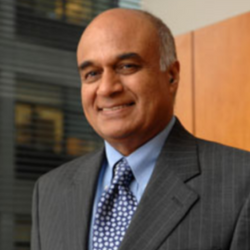
Raju Kucherlapati, Ph.D.
Paul C. Cabot Professor of Genetics, Harvard Medical School
Dr. Raju Kucherlapati has been the Paul C. Cabot Professor of Genetics and Professor of Medicine at Harvard Medical School since 2001 and was the first Scientific Director of the Harvard Medical School–Partners HealthCare Center for Genetics and Genomics.
Dr. Kucherlapati has contributed to several areas of genetics and genomics research. He studied homologous recombination and, in 1985, co-authored a Nature paper with Oliver Smithies demonstrating that cellular genes could be modified through gene targeting. In the 1990s Dr. Kucherlapati became a part of the human genome project and headed the Einstein Genome Center that participated in the mapping and sequencing of the human genome. Dr. Kucherlapati became a part of the Cancer Genome Atlas (TCGA) Program and was the head of the Harvard Genome Center.
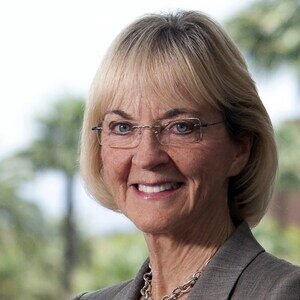
Anna D. Barker, Ph.D.
Ellison Medical Institute

Laura J. Esserman, M.D.
Director, UCSF Breast Care Center
Dr. Laura Esserman is an internationally recognized breast surgeon and breast oncology specialist whose work focuses on personalized approaches to breast cancer screening, prevention, and treatment. Her research is dedicated to accelerating the development of targeted and effective prevention and treatment options for patients.
As a Professor of Surgery and Radiology at the University of California, San Francisco (UCSF) and the Director of the UCSF Breast Care Center, Dr. Esserman’s breast cancer work spans a spectrum from basic science to public policy issues and the impact of both on the delivery of clinical care. She is a provocative thought leader calling attention to and finding solutions for over-diagnosis and over-treatment of breast cancer, especially of DCIS.
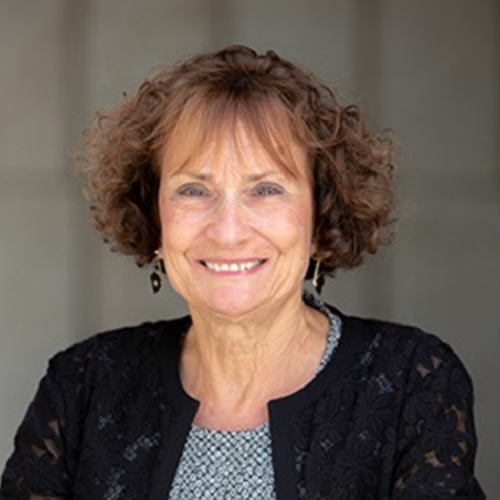
Pamela D. Garzone, Ph.D.
Anixa Biosciences
Dr. Garzone is a senior pharmaceutical executive with over 25 years of diverse experience in the industry and is recognized for her strategic, scientific, clinical, and regulatory leadership in drug development. Before joining Anixa, Dr. Garzone held executive roles in clinical development with several companies, including Calibr, a division of the Scripps Research Institute, and Pfizer. Learn More >>>

Eva Martin, M.D.
Roche Pharma Partnering
Dr. Eva Martin is a passionate advocate for innovation for patients.
Dr. Martin joined Roche Diagnostics in 2018 as the Director of Clinical Science for Women’s Health, Sequencing, and subsequently, the Data Strategy Lead – Clinical within the Oncology and Genetics group. At Roche Diagnostics, she was responsible for supporting all stages of diagnostics product development, from pipeline ideation to commercialization. Dr. Martin joined the Pharma Partnering team at Roche Genentech in 2022, and currently serves as Senior Director, Alliance and Asset Management, contributing to meaningful partnerships across the pharmaceutical development lifecycle from target and drug discovery through clinical development and commercialization. At Roche, Dr. Martin is grateful for the opportunity to support product development to meet the needs of patients worldwide.

Faith Barnett, M.D., Ph.D.
Founder and Chief Scientific Officer, Resolute Science
Dr. Barnett is the Founder and Chief Scientific Officer of Resolute Science, a preclinical-stage biotechnology company developing a novel class of pan-cancer therapeutics targeting aggressive and hard-to-treat solid tumors. She is also a neurosurgeon at Scripps Clinic with expertise in the treatment of benign and malignant brain tumors. She obtained her MD and PhD from Harvard Medical School through the Harvard-MIT Health Sciences and Technology Program, completed her neurosurgical training at Brigham & Women’s hospital and her pediatric neurosurgery fellowship at Boston Children’s Hospital.

Sidi Chen, Ph.D.
Founder and Board Chairman, Cellinfinity Bio
Dr. Sidi Chen is the Founder and Board Chairman of Cellinfinity Bio and an Associate Professor of Genetics and of Neurosurgery at Yale University. Dr. Sidi Chen seeks to address fundamental problems in cancer genetics and immunity, and to leverage those insights to develop next-generation immunotherapies.
Working at the intersection of these two emerging fields, Dr. Chen has pioneered the concept “genome engineering for, of, and as immunotherapy”—as in, applying high-throughput CRISPR screening technologies to discover new targets for immunotherapy, directly editing the genomes of T cells to create better versions of cellular immunotherapies like CAR T cells, and harnessing the genome engineering machinery itself to re-program immune cells as novel immunotherapy agents.
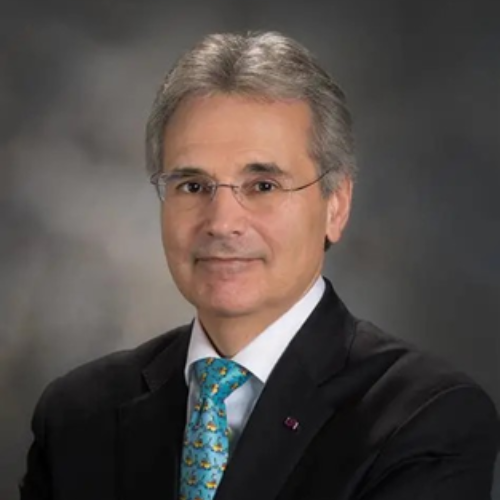
Ronald A. DePinho, M.D.
MD Anderson Cancer Center
Dr. Ronald DePinho is a former MD Anderson president and a leading cancer geneticist whose research has shaped our understanding of aging and cancer. He is a member of the National Academies and winner of the Szent-Györgyi Prize. Learn More >>>
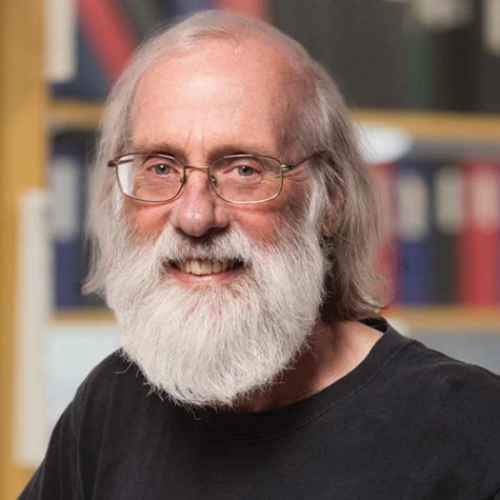
Tony Hunter, Ph.D.
Salk Institute for Biological Studies
Dr. Tony Hunter is a renowned molecular biologist at the Salk Institute and discoverer of tyrosine phosphorylation, a key mechanism in cancer. His breakthrough laid the foundation for many targeted cancer therapies. Dr. Hunter will be awarded the 2025 Szent-Györgyi Prize for Progress in Cancer Research. Learn More >>>
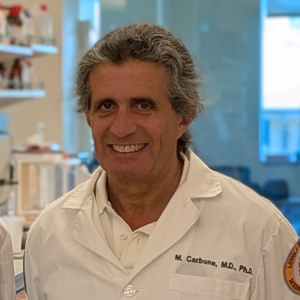
Michele Carbone, M.D., Ph.D.
University of Hawaii Cancer Center
Dr. Michele Carbone conducts his scientific research at the University of Hawaii Cancer Center, a state-of-the-art research facility located in Honolulu, HI.
Dr. Carbone is a board-certified pathologist, and most of his research has focused on malignant mesothelioma, a cancer often associated with asbestos exposure. His research into why most people exposed to asbestos do not develop mesothelioma led him to investigate interactions between genetics and the environment. His work demonstrated that inherited mutations in the BAP1 gene can predispose individuals to mesothelioma and other cancers, helping establish what became known as the BAP1 cancer syndrome.
In 2026, Dr. Carbone was named the recipient of the Szent-Györgyi Prize for Progress in Cancer Research, recognizing his groundbreaking BAP1 research and its impact on patient care and public health.

Silas Deane
NFCR Board of Directors
SILAS DEANE, the Nashville entrepreneur, sold VendEngine and its financial and communications technology offerings to Tyler Technologies (NYSE:TYL) for $84MM in 2021. He has experience in technology, healthcare, government relations, and communications — with a passion for finding solutions to complex problems and creating/executing sustainable business models from them.