
Blood Cancer
About Blood Cancer
There are three main types of blood cancers. Leukemia is a cancer found in your blood and bone marrow, lymphoma is a blood cancer that affects the immue system and the lymphatic system, and myeloma is a blood cancer that specifically targets plasma cells (a white blood cell secreting antibodies). Each year, these types of cancer account for approximately 10% of all new cancer diagnoses.
Prevention Tips
Preventing blood cancers such as leukemia, lymphoma, and myeloma can be challenging, as many of the risk factors associated with these cancers are not easily modified or avoidable. According to the American Cancer Society (ACS), there are very limited known ways to prevent these types of blood cancer. However, the focus can be shifted towards:
- Early detection and management of the disease
- A healthy lifestyle that generally reduces the risk of cancer: healthy diet, regular physical activity, avoiding tobacco, avoiding chemical and radiation exposure, etc.
Even though specific prevention measures for these blood cancers are not well-defined due to the nature of the risk factor, maintaining an overall healthy lifestyle is always recommended and helpful to avoid different types of cancers.
Resource:
Risk Factors for Chronic Lymphocytic Leukemia | American Cancer Society
Risk Factors for Multiple Myeloma | American Cancer Society
Risk Factors for Chronic Myeloid Leukemia | American Cancer Society
Blood Cancer Signs & Symptoms
If you have any of the symptoms below, it does not mean you have cancer but you should see your doctor or health care professional so that the cause can be found and treated, if needed.
Leukemia
- Feeling tired, weak, dizzy or lightheaded
- Headaches
- Shortness of breath
- Pale skin
- Bruises (or small red or purple spots) on the skin
- Bleeding, such as frequent or severe nosebleeds, bleeding gums, or heavy menstrual bleeding in women
- Swelling in the face, neck, arms, and upper chest (sometimes with a bluish-red color)
- Weight loss; Loss of appetite
- Fever; Night sweats
- Swelling in the abdomen
- Enlarged lymph nodes
- Bone or joint pain
- Infections that don’t go away or keep coming back
Lymphoma
- Enlarged lymph nodes
- Chills
- Fatigue
- Drenching night sweats
- Fever without an infection
- Weight loss
- Chest pain or pressure
- Shortness of breath or cough
- Severe or frequent infections
- Swollen abdomen (belly)
- Feeling full after only a small meal
- Easy bruising or bleeding
Myeloma
- Persistent or worsening tiredness
- Recurrent unexplained infections (such as pneumonia, sinus infection, or urinary tract infection)
- Back pain or any bone pain that is persistent or recurrent
- Swelling of the extremities
Source: American Cancer Society’s website and Leukemia and Lymphoma Society website 2024
Risk Factors for Blood Cancer
- Age – riskier as you get older
- Sex – more common in men than in women
- Family history
- Race/ethnicity
- CLL (Chronic Lymphocytic Leukemia) is more common in North America and Europe than in Asia
- Multiple myeloma is more than twice as common in African Americans than in White Americans
- Radiation and chemical exposure
- Obesity
Blood Cancer Key Facts
- An estimated 192,030 new cases of leukemia, lymphoma, and myeloma will be diagnosed in the U.S. in 2026, with 55,830 deaths expected.
- Every three minutes, one person in the U.S. is diagnosed with blood cancer.
- Leukemias are the most common cancers in children and account for 25.7% of all childhood cancers.
- Estimates of more than 1.5 million people in the U.S. are either living with or in remission today from blood cancer.
Source: American Cancer Society’s Cancer Facts & Figures 2024 and The Leukemia & Lymphoma Society

What NFCR is doing to address Blood Cancer
The NFCR-Supported and Past-Supported Researchers have programs that will prevent, detect and improve outcomes for blood cancer patients.
Select a research below to learn more about their specific work.

Curt Civin, M.D.
University of Maryland
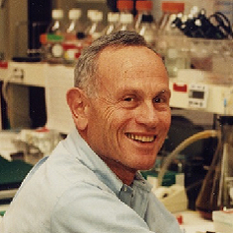
Michael B. Sporn, M.D.
Geisel School of Medicine

Cesare Spadoni, Ph.D.
University of London
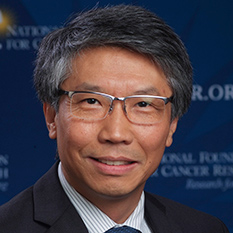
Wei Zhang, Ph.D.
Wake Forest Baptist Medical Center
Blood Cancer Awareness Month is recognized in September.
Blood Cancer Patient Stories From Our Blog:
Sign-up to Receive NFCR Emails
Be the first to learn about breakthroughs in cancer research and follow NFCR’s progress on making cures possible!