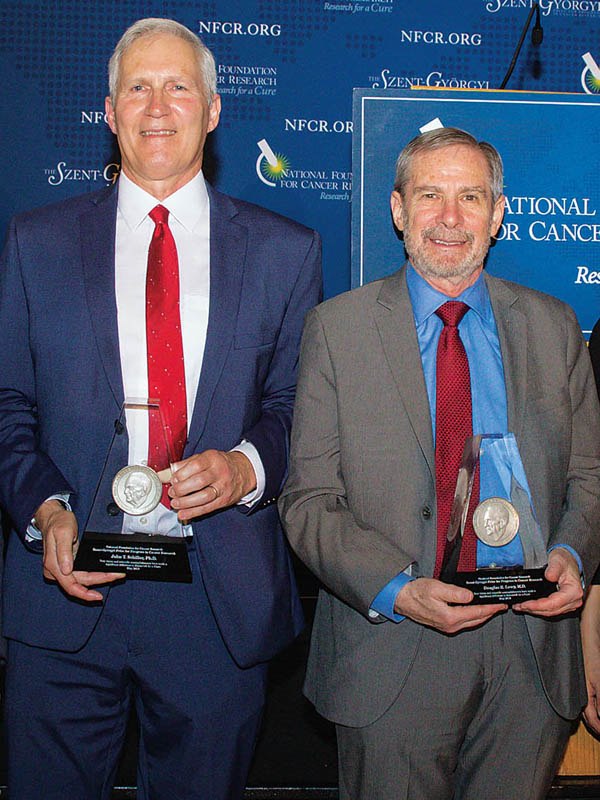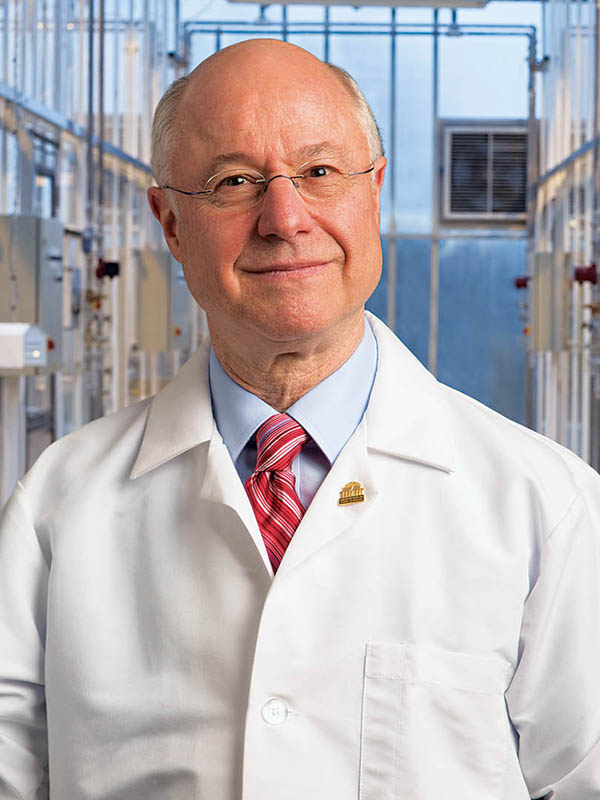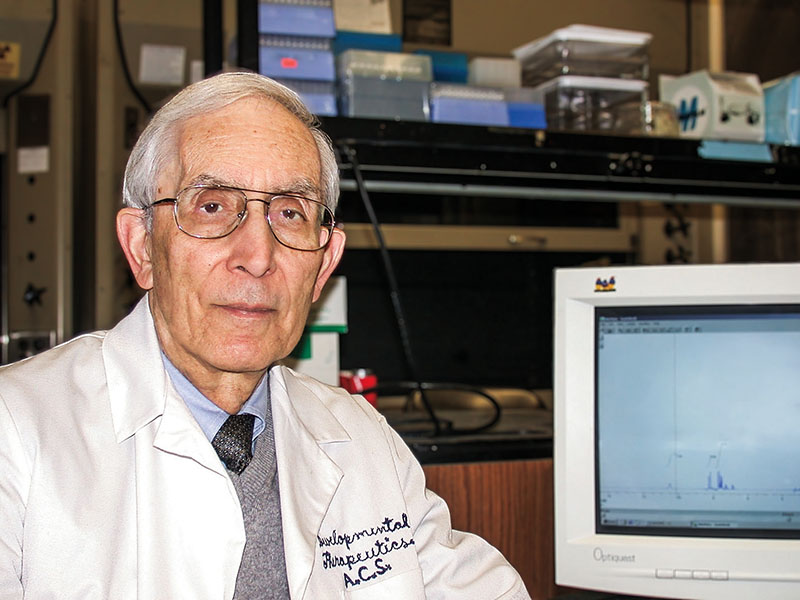

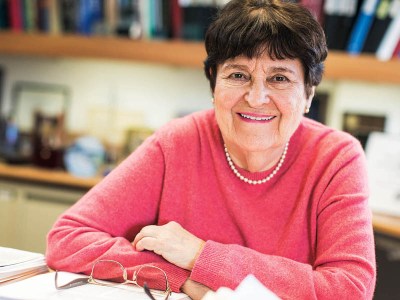
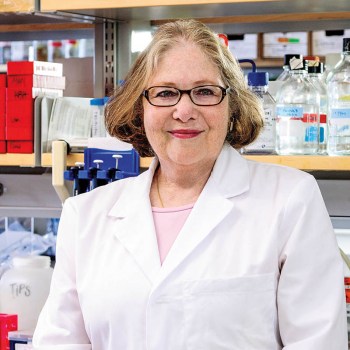
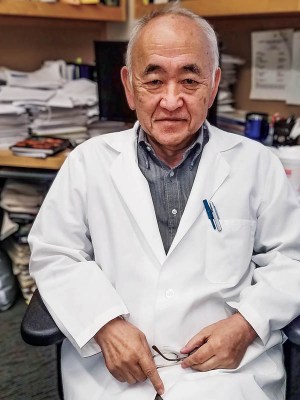
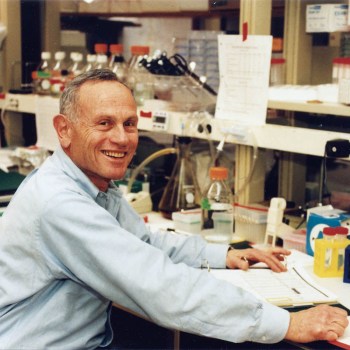
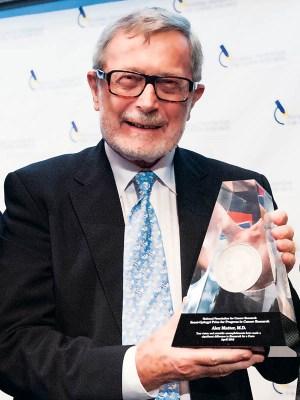
NFCR provides support and recognizes numerous scientists making life-changing contributions to cancer therapies. Dr. Kathryn Horwitz’s research on hormone-based therapies has improved breast cancer treatment. Dr. Susan Band Horwitz’s groundbreaking discovery around Taxol resistance has transformed cancer care. Dr. Alex Matter’s development of the first drug specifically targeting molecular lesion in cancer, Gleevec, ushered in a new era of precision medicine. The collaborative efforts of Dr. Zhen-Yi Wang and Dr. Zhu Chen transformed the once fatal disease, acute promyelocytic leukemia (APL), into a highly treatable one by integrating traditional Chinese and Western medicine. Dr. Yung-Chi Cheng’s innovative research on traditional Chinese medicine in anticancer drug development has left a lasting impact. Dr. Dennis A. Carson uncovered the common deletion of a purine metabolism enzyme and the p16 tumor suppressor gene in multiple cancers to develop cladribine, a first-line treatment for hairy cell leukemia (HCL). Dr. Alan Sartorelli was one of the first scientists to recognize the importance of personalized treatment approaches based on a patient’s genetic makeup. Dr. Doug Lowy and Dr. John Schiller developed vaccines for the human papillomavirus (HPV). Dr. Michael Sporn pioneered the field of chemoprevention with the development of novel treatments. Dr. Curt Civin’s discoveries enabled stem cell transplantation, improving survival for leukemia patients. These collective efforts have profoundly impacted cancer patients by providing more effective and targeted treatment options, enhancing prognosis — and offering hope for a better quality of life.

Select a Researcher Below to Learn More about their contributions to Transformative Therapies Development Breakthroughs
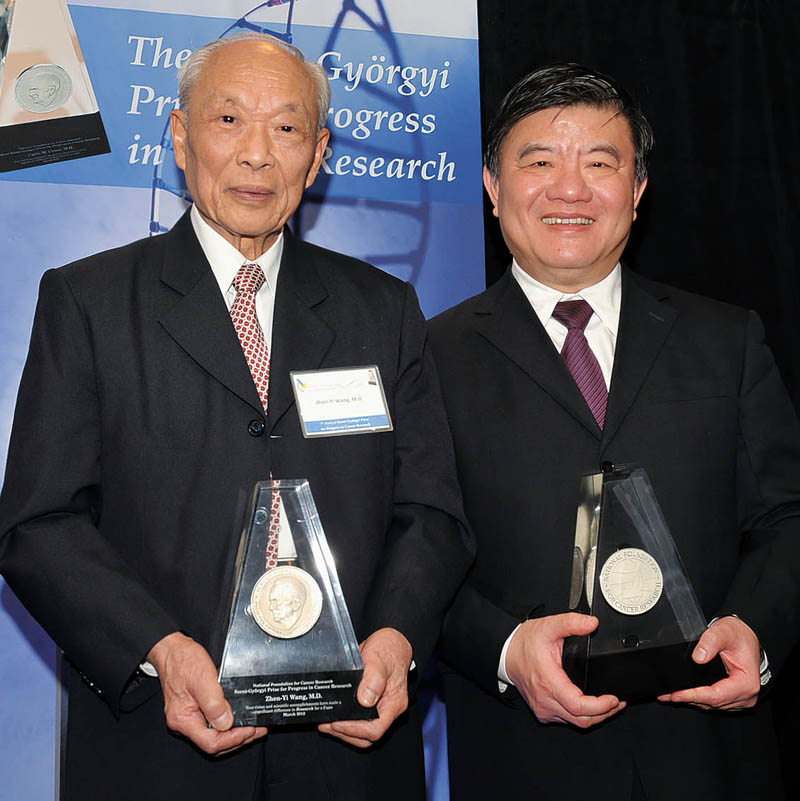
In 2012, NFCR awarded the Albert Szent-Györgyi Prize to Dr. Zhen-Yi Wang and Dr. Zhu Chen for their groundbreaking contributions to cancer research, particularly in treatment of acute promyelocytic leukemia (APL). Their innovative therapeutic approach combined traditional Chinese medicine with Western medicine, significantly improving treatment outcomes. This method dramatically increased the five-year disease-free survival rate and set a new standard
of care for APL. Their collaborative efforts showcased the potential of tailored therapies, offering new hope and insights into managing challenging cancer subtypes.