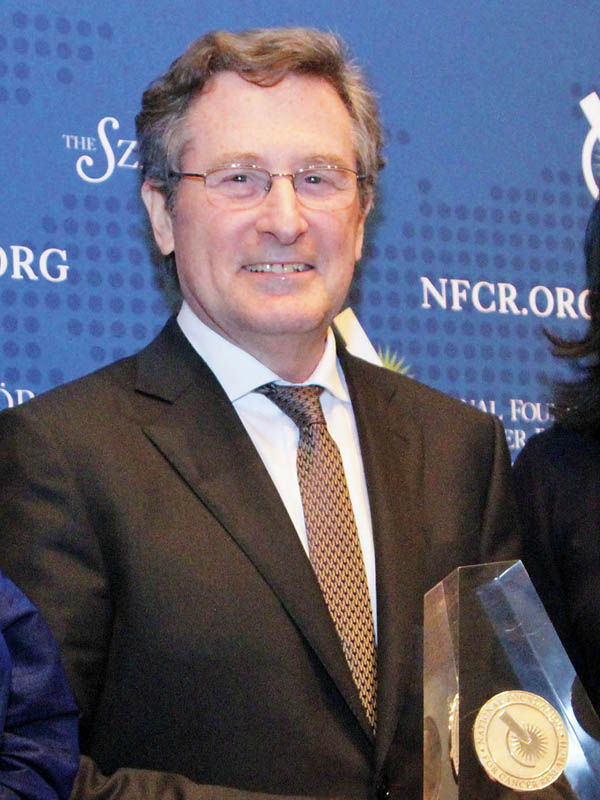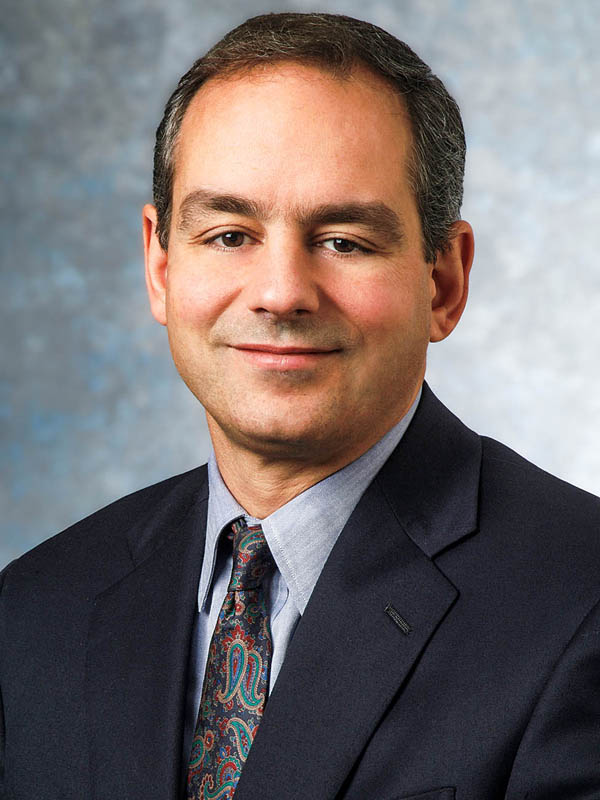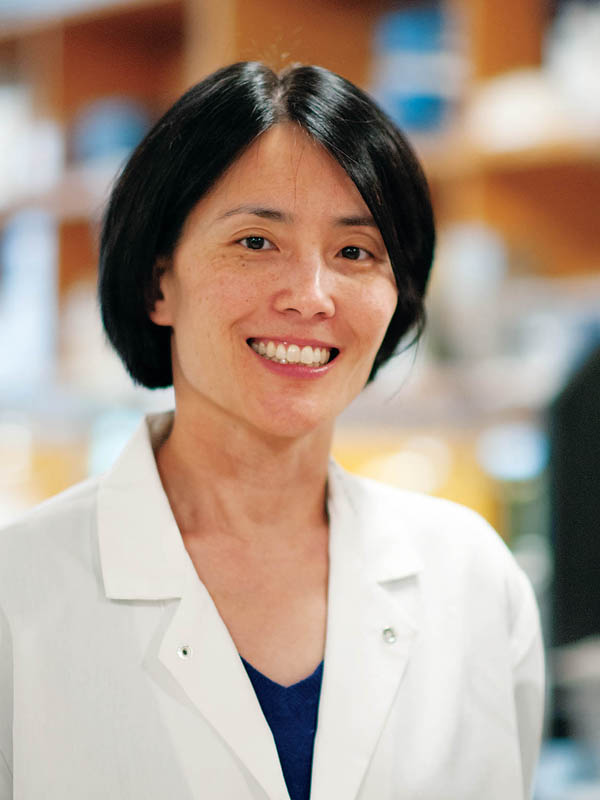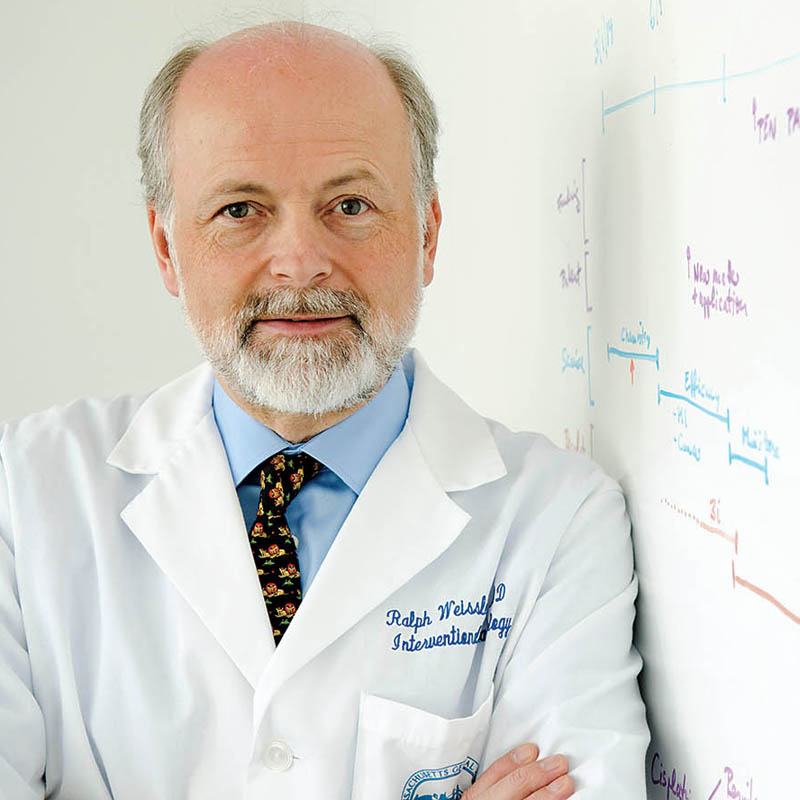

NFCR ’s long-term support has fostered breakthroughs in targeted therapies and molecular imaging for cancer diagnosis and treatment. Dr. Dan Von Hoff received his first grant from NFCR, which led to chemotherapy for pancreatic cancer, gemcitabine. He is now focused on monoclonal antibodies targeting stellate cells for pancreatic cancer treatment. Dr. Alanna Schepartz’s beta-peptide inhibitors represent a highly effective and specific new generation of anticancer drugs, targeting protein-protein interactions in various cancers. With the discovery of TOR pathway, Dr. Michael Hall elucidated its crucial role of cell growth and metabolism, leading the way to development of mTOR inhibitors. Combining detection and treatment techniques, Dr. James P. Basilion’s team developed a process called photodynamic therapy to treat metastatic cancer with applied light. Dr. Ralph Weissleder’s work on high-resolution molecular imaging and nanomaterials shows promising results in early cancer detection. Dr. Alice Shaw’s innovative treatments for drug-resistant lung cancer led to global registration studies for crizotinib and ceritinib, resulting in FDA approval — significantly improving outcomes for ALK+ lung cancer patients.

Select a Researcher Below to Learn More about their contributions to Targeted Therapies & Molecular Imaging Breakthroughs
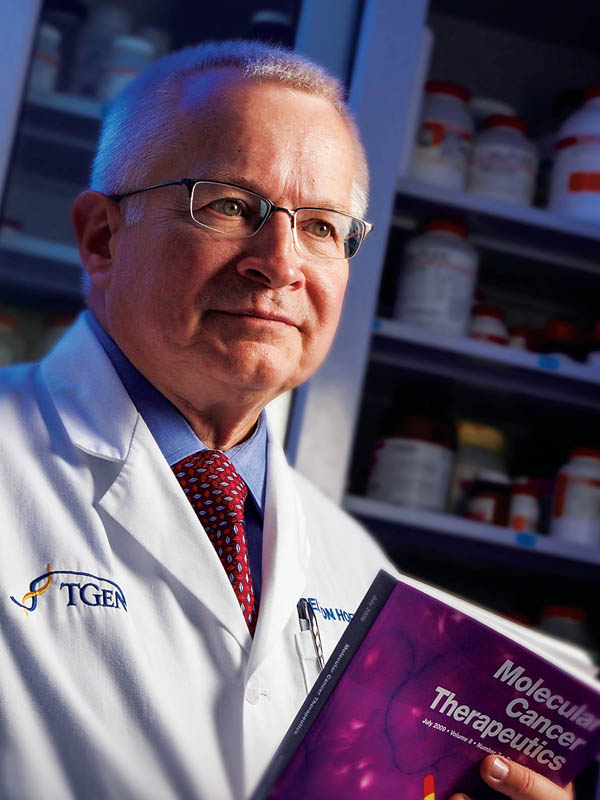
Dr. Daniel Von Hoff
Dr. Daniel Von Hoff is a renowned figure in the field of oncology, having significantly impacted the treatment and understanding of various cancers. Dr. Von Hoff has been involved in the development of numerous anticancer agents, which have become part of standard treatments. Throughout his career, Dr. Von Hoff has been involved in over 200 clinical trials, contributing to the development of several drugs, including gemcitabine, mitoxantrone, fludarabine, paclitaxel, docetaxel, irinotecan and more. Currently serving in prestigious positions and leading research programs, Dr. Von Hoff continues to make significant contributions in the fight against cancer.
Dr. Alanna Schepartz
Dr. Alanna Schepartz pioneered beta-peptide inhibitors, addressing a major drug discovery hurdle: blocking “protein-protein interactions” for cancer cells. Unlike small molecule inhibitors, these beta-peptide inhibitors are structurally similar to their target proteins, allowing for targeted and effective binding for enhanced inhibition. Using this technology, Schepartz’s lab crafted beta-peptide inhibitors of epidermal growth factor receptors (EGFR), an important protein that is often mutated in non-small cell lung cancer. With the added stability of beta-peptides in the body, this novel drug class has the potential to create a completely new technology platform for more effective and long-lasting anticancer drugs.
Dr. Michael Hall
Dr. Michael Hall discovered one of the most important cell targets in oncology and NFCR honored him with the 2015 Szent-Györgyi Prize. With the discovery of the target of rapamycin or TOR, a conserve protein kinase, and the role of TOR in controlling cell metabolism and growth, Dr. Hall led the way in developing mTOR inhibitors for cancer treatment. Dr. Hall’s insights into mTORC1 signaling pathways have spurred the development of targeted therapies, offering new avenues for cancer intervention. His exceptional contributions continue to shape the landscape of cancer research and therapeutic strategies.
Dr. James P. Basilion
Dr. James P. Basilion devised a game-changing theranostic tool capable of binding to prostate-specific membrane antigen (PSMA) in prostate and triple-negative breast cancers. It enhances patient outcomes by enabling simultaneous imaging of multiple molecular markers, making it easier to identify cancer at an early stage, significantly improving survival odds. In addition, this technology can help surgeons determine tumor margins during surgery. Dr. Basilion’s new technique promises to facilitate molecular imaging of gliomas and has the potential to serve as a molecular targeting agent to deliver therapeutics.
Dr. Alice T. Shaw
Dr. Alice T. Shaw was the lead investigator in the global registration studies for two drugs (first-generation crizotinib and second-generation ceritinib), which led to FDA approval for advanced ALK+ lung cancer. She was the lead investigator of the international phase 1 and 2 trials of third-generation lorlatinib. Her team also led the first-in-man trial of combining lorlatinib with an inhibitor of an ALK-independent pathway to combat the urgent need to develop on-target and off-target mechanisms of resistance.
Dr. Ralph Weissleder
Dr. Ralph Weissleder is an esteemed biotechnology researcher renowned for contributions to imaging and next-generation diagnostics. His focus spans novel molecular imaging, early disease detection tools, and advanced nanomaterials for early treatment. His work bridges cell biology and human biology, utilizing imaging and minimally invasive interventions. Due to the strong translational nature of his research, his developments have propelled advanced clinical trials and led to commercialized technologies.