
NFCR supports scientists whose research paves the way for groundbreaking therapies and the vital role the immune system plays in cancer progression. Dr. James Allison’s pioneering work on immune checkpoint blockades created a transformative shift in melanoma treatment, prolonging patient survival. Drs. Mark M. Davis and Tak W. Mak’s seminal discoveries on the T-cell receptor (TCR) structure, led to life-saving CAR T-cell therapies for blood cancer. Dr. Steven A. Rosenberg’s pioneering work in immunotherapy revolutionized cancer treatment by harnessing the power of the human immune system, and developing one of the first effective immunotherapies for advanced cancer patients, particularly in metastatic melanoma. Dr. Laurence Cooper’s immunotherapy involving CD19-specific T-cells and other adoptive T-cell therapies propelled pediatric and adult leukemia and lymphoma treatment. Dr. César Milstein, who pioneered mAb production technology using hybridomas, led development of therapies using monoclonal antibodies as anticancer drugs. Dr. Wayne Marasco made significant strides, building upon previous discoveries to effectively combat renal cell carcinoma. Dr. Frederick W. Alt’s pivotal findings of somatic recombination and gene amplifications have elucidated the understanding of programmed genetic recombination and hypermutation processes required for antibody repertoires of B lymphocytes. These collective achievements hold immense promise in revolutionizing cancer care, instilling hope and improved outcomes for patients.

Select a Researcher Below to Learn More about their contributions to Immunology & Immunotherapy Breakthroughs
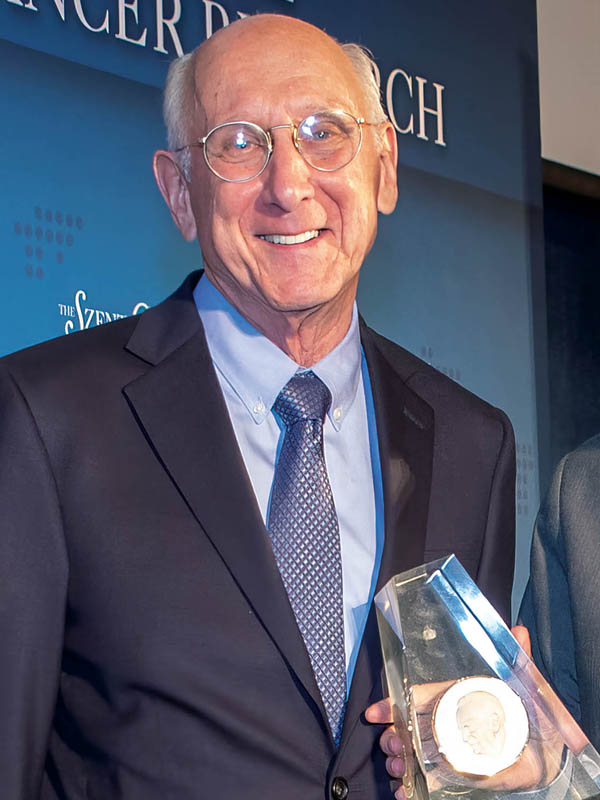
Dr. Steven A. Rosenberg
Dr. Steven A. Rosenberg has pioneered immunotherapies and gene treatments. His clinical trial studies on interleukin 2 (IL-2) culminated in the FDA’s first-ever approval of a cancer immunotherapy. Beyond cytokine therapy, he ventured into engineered immune system approaches, from checkpoint inhibition to adoptive cell transfer therapies. These ground-breaking efforts have catalyzed therapeutic advances, leading to vital treatments such as Proleukin, Yervoy and Yescarta, which revolutionized cancer treatment paradigms. For these life-saving contributions, NFCR honored him with the 2019 Szent-Györgyi Prize.
Wayne Marasco
Backed by NFCR since 1994, Dr. Wayne Marasco has made significant strides in immunotherapy and monoclonal antibodies. His innovation targets clear cell renal cell carcinoma, a prevalent kidney cancer. He is combining CAR T therapy with checkpoint blockade inhibitors or antibodies to stimulate the immune system, boosting CAR T’s cancer cell-killing efficacy. Dr. Marasco’s findings demonstrate enhanced anti-tumor immunity leading to cancer cell death and may serve as a platform for solid tumor treatment.
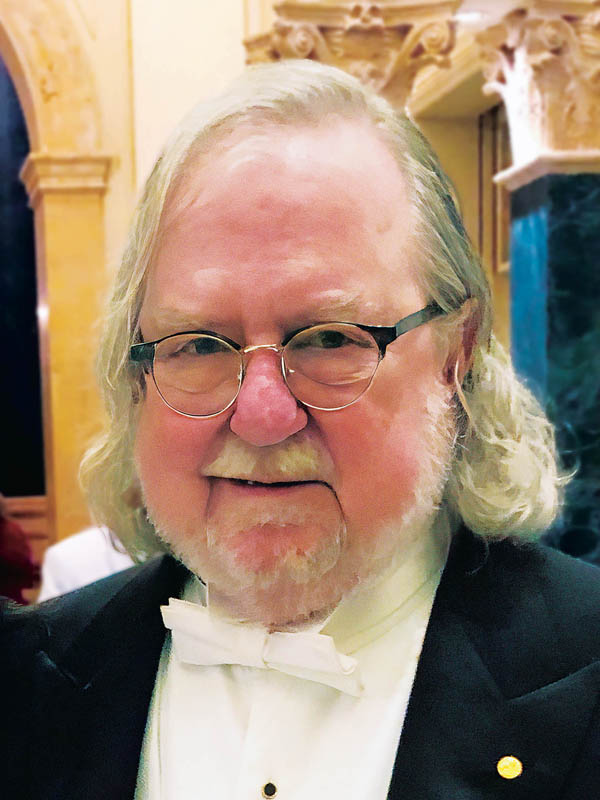
Dr. James Allison
Dr. James Allison revolutionized cancer research by pioneering immunotherapy. His groundbreaking work on immune checkpoints, particularly CTLA-4 and PD-1 pathways, has transformed cancer treatment. Dr. Allison’s discoveries have led to unprecedented breakthroughs in cancer therapeutics, unleashing the body’s immune system to target and combat cancer cells. NFCR honored him with the 2014 Szent-Györgyi Prize. His innovative contributions earned him the Nobel Prize in Physiology or Medicine in 2018 and continue to reshape oncology, offering new hope and improved outcomes for countless patients.
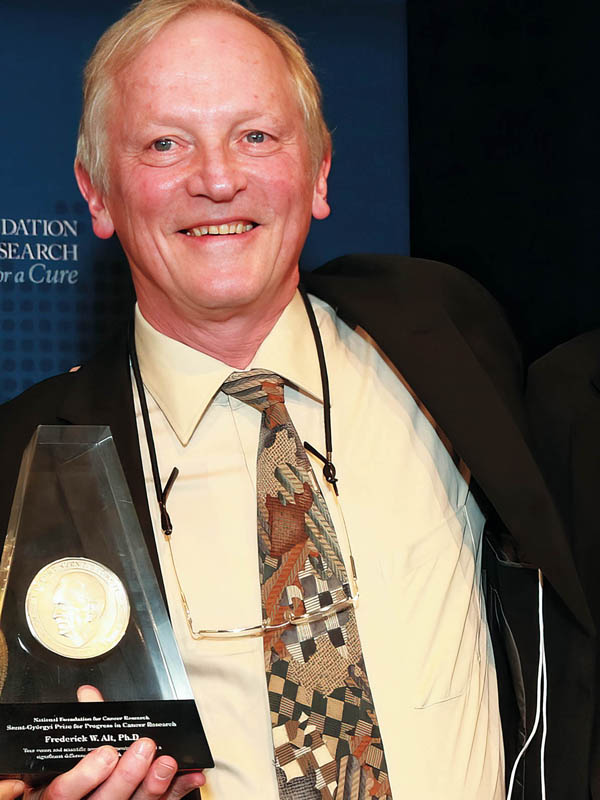
Dr. Frederick W. Alt
Dr. Frederick W. Alt won the 2015 Szent-Györgyi Prize for his work in understanding DNA repair mechanisms and genetic instability, which has illuminated cancer development and treatment resistance. His discovery of gene amplification in chemotherapy-resistant cancer cells shattered the belief in the stability of the human genome. Specifically, his research on the mechanism and control of genomic rearrangement processes, including programmed genetic recombination and hypermutation processes elucidated the generation of antigen receptor diversity in the immune system.
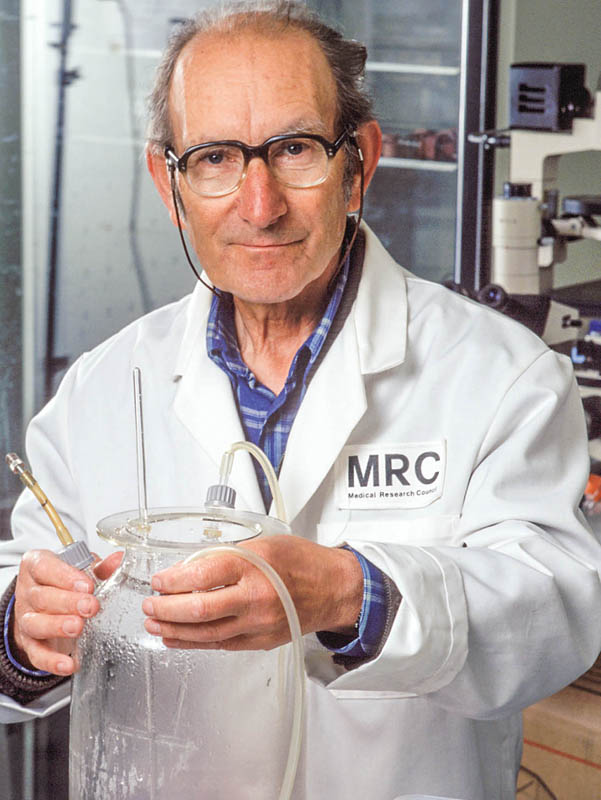
Dr. César Milstein
Nobel laureate Dr. César Milstein revolutionized monoclonal antibodies production through the hybridoma technique. His genetic engineering work extended antibody applications and created artificial antibodies to treat diseases like cancer. Dr. Milstein’s development of the hybridoma technique enabled the production of highly specific monoclonal antibodies with significant applications in medicine. By exploring hybridomas, he unveiled insights into immune responses and somatic mutations, underpinning immunotherapy and precision medicine. Dr. Milstein’s work reshaped cancer treatment, driving advancements in targeted therapies.
Dr. Laurence Cooper
Dr. Laurence Cooper is a distinguished oncology researcher renowned for his pioneering work in cellular therapies for cancer, particularly in the development of adoptive T-cell therapies, including chimeric antigen receptor (CAR) T-cells. His research focuses on re-engineering patients’ immune cells to combat cancer, with remarkable success in hematological malignancies. Dr. Cooper’s innovative approach, integrating genetic engineering and immunology, tailors therapies to individual pediatric and adult patients, significantly advancing the promise of cell therapies for widespread clinical use and improving cancer patient outcomes.
Davis
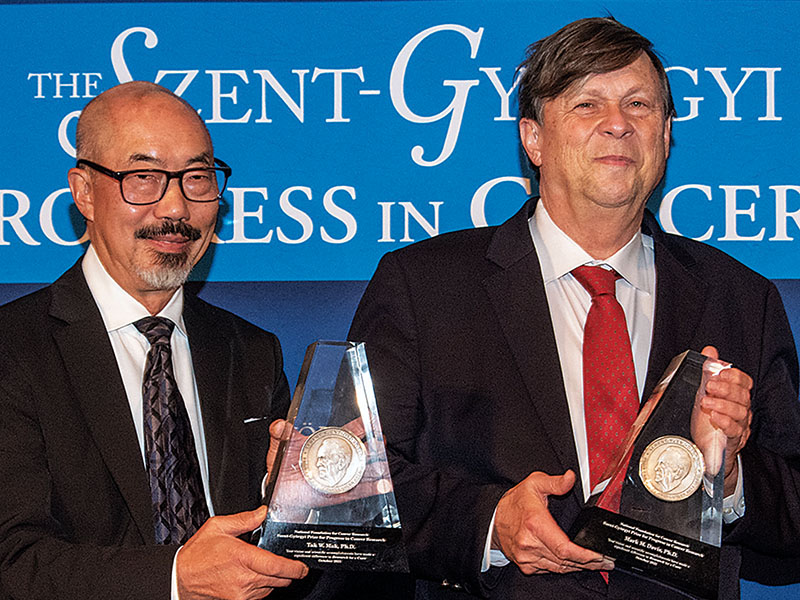
NFCR honored Dr. Mark M. Davis and Dr. Tak W. Mak with the 2021 Szent-Györgyi Prize for human gene and cloning findings that decoded the structure of T-cell receptors (TCRs) and elucidated the intricate mechanisms of T-cell recognition of foreign agents. Their research led to the development of techniques for labeling T lymphocytes based on their recognized molecules. This breakthrough underpins cancer vaccine development and forms the basis for FDA-approved CAR T-cell therapies for blood cancers.