
NFCR extends its unwavering support and honors to scientists at the forefront of metastasis research. Dr. Danny Welch leads this research with a two-pronged strategy which could inspire new therapies preventing metastasis and detecting high-risk patients early. Dr. Ronald DePinho’s research helped form the basic understanding of cancer cell development. He has convincingly established that telomere dysfunction, combined with an impaired DNA damage response and the continual renewal of epithelium by aging or disease processes, converge to form the common carcinomas and their metastases. With NFCR funding since 2000, Dr. Daniel A. Haber developed the CTC-iChip, capturing circulating tumor cells for real-time insights, genetic testing and personalized treatment decisions. Dr. Paul Fisher’s immune-theranostic approach to fighting metastatic tumors targets cancer cells without harming healthy ones, holding the potential to reshape cancer treatment. Known for his work establishing the fluid-mosaic model of the cell membrane, Dr. Garth L. Nicolson also characterized heparanases significance as biomarkers for tumor metastasis. By delving into the complex mechanisms underlying metastasis, NFCR and these visionary scientists aim to revolutionize the way we approach cancer treatment, making significant strides toward improved patient outcomes, enhanced quality of life, and ultimately, a world free from the burden of metastatic cancer.

Select a Researcher Below to Learn More about their contributions to Genomic Research & Biomarkers Breakthroughs
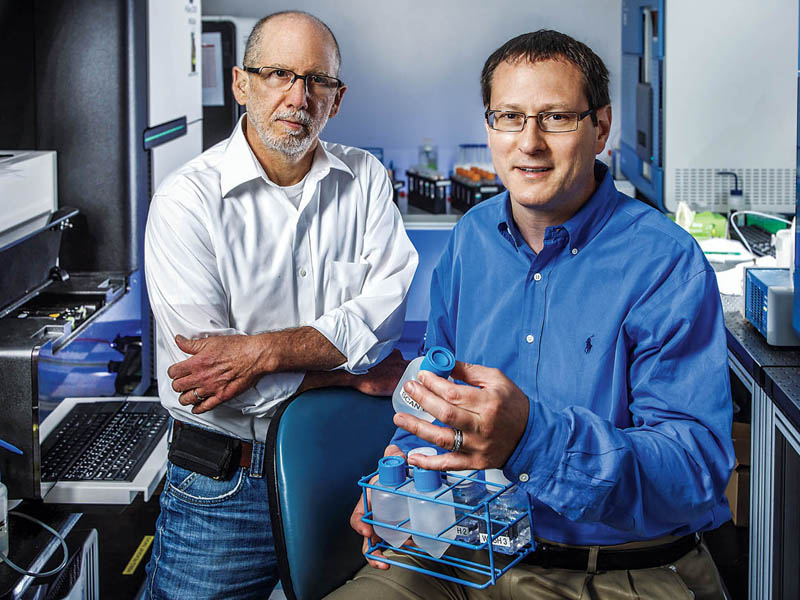

Dr. Bert Vogelstein’s
Dr. Bert Vogelstein’s pioneering work provided the first conclusive evidence for genetic alterations in colorectal tumors, fundamentally transforming our understanding of tumorigenesis. The characterization of the p53 tumor suppressor gene is now known to be mutated in a vast majority of human cancers, and Dr. Vogelstein is one of the field’s most cited scientists. Dr. Kenneth Kinzler, working with Dr. Vogelstein, identified the tumor suppressor gene APC, playing a potentially primary role in the initiation of colon cancer. Together, these findings of TP53 and APC have opened the door to disrupting the development of cancer and create effective targeted therapy to these defective genes.
Dr. Jacqueline Barton
Dr. Jacqueline Barton is recognized for her groundbreaking work in DNA electrochemistry. Dr. Barton’s investigations into DNA’s conductivity and interactions with small molecules have deepened our understanding of DNA damage and repair processes. Dr. Barton’s research sheds light on how faulty DNA repair mechanisms can lead to cancer development. Her insights have implications for cancer treatment and the design of novel therapeutic strategies, positioning her as a trailblazer in advancing our grasp of cancer biology.
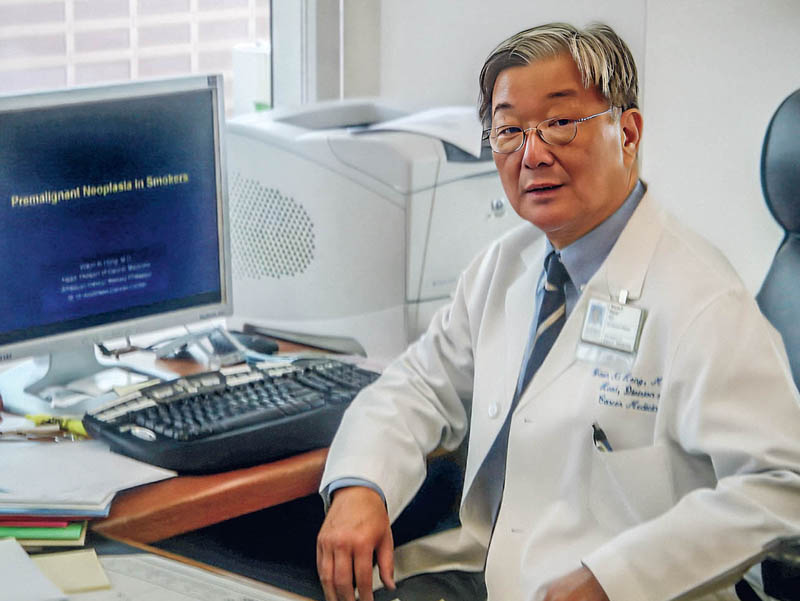
Dr. Waun Ki Hong
Dr. Waun Ki Hong, a pioneer in the field of oncology, is recognized for his innovative work in cancer prevention and treatment. Known for his leadership in chemoprevention, Dr. Hong has laid the foundation for numerous successful trials. His insights into the molecular mechanisms of targeted therapies have elevated treatment precision, improving patient outcomes by targeting specific biomarkers. In translating laboratory findings to clinical practice, Dr. Hong positively impacted the lives of countless cancer patients.
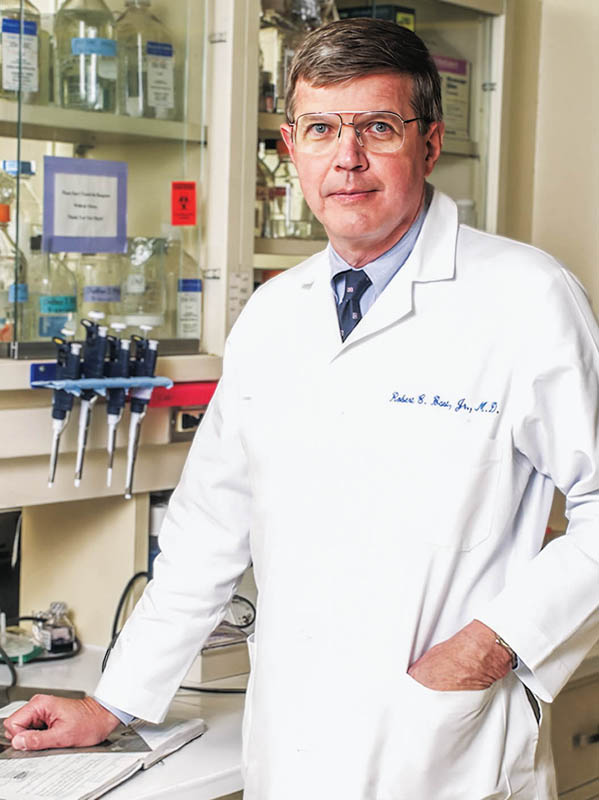
Dr. Robert C. Bast
Dr. Robert C. Bast has made profound strides in the realm of oncology. He is best known for his work on the CA-125 antigen, a key biomarker for ovarian cancer detection. Dr. Bast’s research has greatly improved the early detection and treatment of ovarian cancer, leading to enhanced patient outcomes. As a distinguished professor and researcher at MD Anderson Cancer Center, his leadership has fortified the bridge between laboratory discoveries and clinical applications, ensuring that research benefits patients directly.
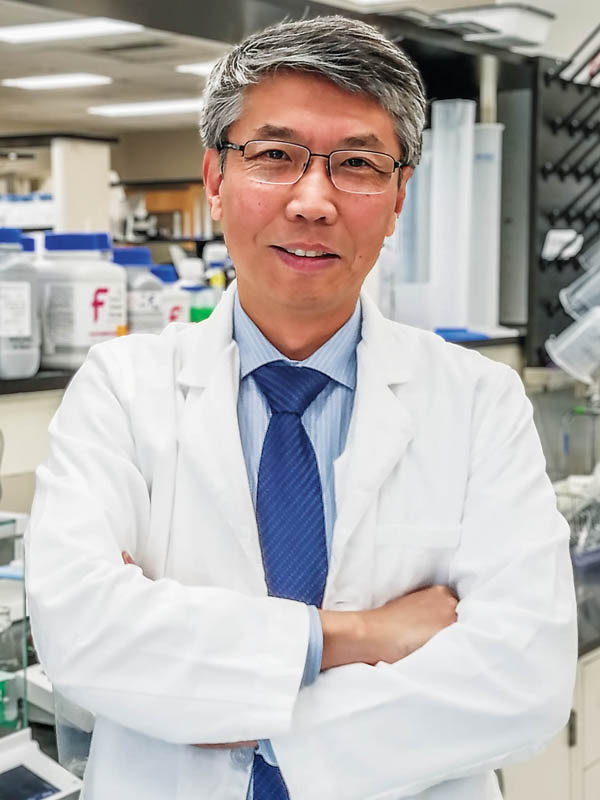
Dr. Wei Zhang
Dr. Wei Zhang stands as a distinguished luminary in cancer research, renowned for his impact on cancer genomics and personalized medicine. His investigations center on the molecular and genomic characterization of specific cancer types, striving to unveil therapeutic targets and biomarkers. He has identified genes and factors that may be associated with lower survival rates among African American lung and uterine cancer patients in comparison to their Caucasian American counterparts. Dr. Zhang has significantly advanced our comprehension of cancer’s intricate molecular foundations, allowing for individualized treatment approaches and empowering direct patient care across diverse patient populations.