
NFCR has steadfastly supported cancer genetics research and honors scientists who have been instrumental in unraveling cancer’s genetic basis. Dr. Thomas Cech, a Nobel laureate for his discovery of ribozymes, revolutionized the understanding of RNA gene regulation. Another Nobel laureate, Dr. Thomas Steitz, uncovered the structure and function of the ribosome and provided insights into potential targets for cancer therapies. Dr. David Prescott advanced DNA replication research. Dr. Terence Rabbitts contributed to understanding chromosomal translocation’s role in tumor formation. Dr. Mary-Claire King identified the first gene associated with hereditary breast and ovarian cancer, BRCA1, representing a fundamental step in the understanding of cancer and changing the face of cancer prevention, screening, diagnosis and treatment. Dr. Paul Schimmel advanced our understanding of the important role that aaRS enzymes play in defining the genetic code. The collaborative research of Dr. Schimmel and Dr. Xiang-Lei Yang unveiled critical insights into tRNA synthetases, revealing their unexpected roles in tumor development and presenting novel therapeutic avenues. Dr. Peter Dervan revolutionized gene regulation by developing sequence-specific DNA-binding polyamides, offering potential in cancer therapy by disrupting gene expression. Dr. Ronald G. Crystal developed groundbreaking strategies and technologies and laid the foundation for gene therapy. These outstanding scientists have been pivotal in genetics research, promising targeted therapies and more effective prevention, detection and cancer treatments.
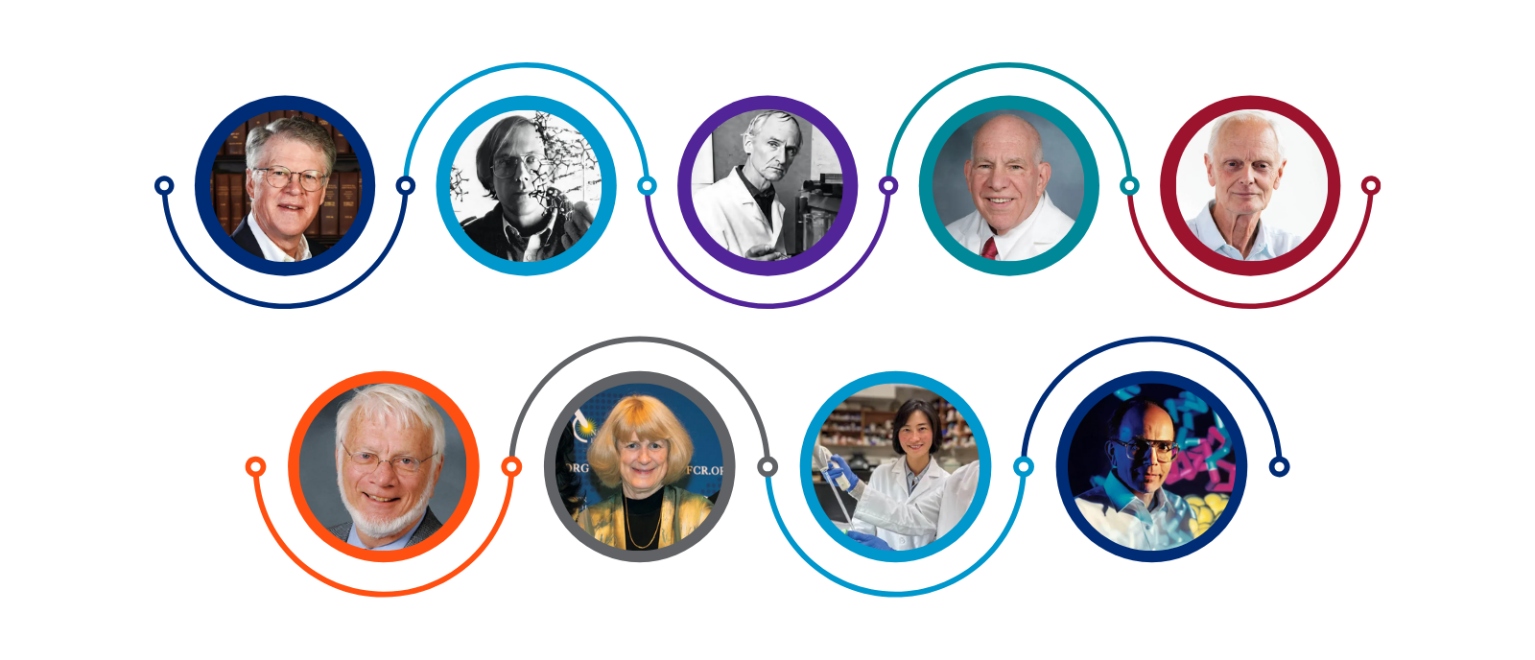
Select a Researcher Below to Learn More about their contributions to Genetics Breakthroughs
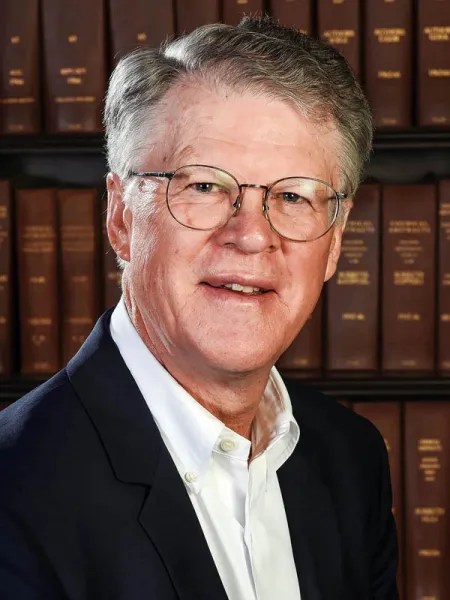
Dr. Peter Dervan , a trailblazing bioorganic chemist, is celebrated for pioneering sequence-specific DNA-binding molecules, particularly polyamides. His groundbreaking research illuminates gene regulation mechanisms by precision-targeting specific DNA sequences, offering exciting prospects for innovative therapeutic interventions, notably in cancer treatment. Dr. Dervan’s work not only enhances our grasp of DNA structure and gene function, but also holds potential for disrupting gene expression in cancer cells through precise molecular binding, a promising avenue for advancing cancer therapies.
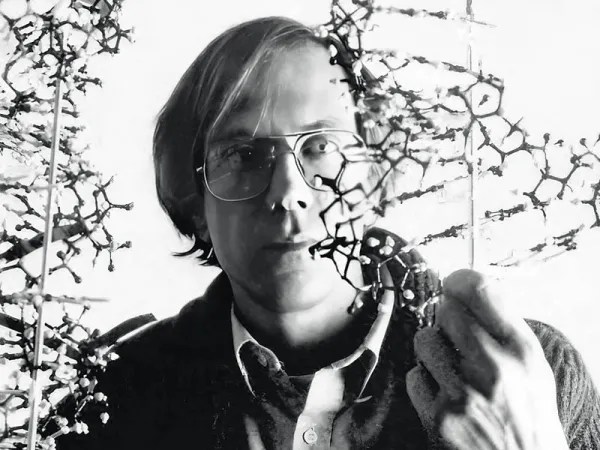
Dr. Thomas Cech has revolutionized cancer research and RNA biology. His groundbreaking revelation that RNA, long considered solely a genetic messenger, can possess catalytic abilities, unveiled a novel class of biomolecules termed ribozymes. This revelation has redefined our comprehension of biological catalysts and genetic regulation mechanisms. His Nobel-winning breakthrough holds profound relevance in cancer, where aberrant RNA processing can fuel malignancies. Dr. Cech’s pioneering insights propel advancements in cutting-edge cancer diagnostics and therapies, charting a course toward improved patient outcomes.
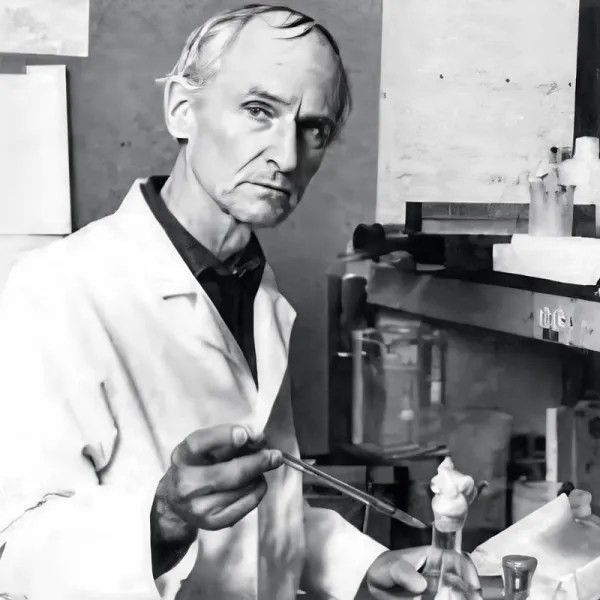
Dr. David Prescott’s contributions have illuminated the critical roles of telomeres and telomerase in cancer, reshaping our comprehension of these structures. His research unveiled their significance in upholding chromosomal stability, while their aberrations fuel unbridled cell proliferation — a hallmark of cancer. Dr. Prescott’s groundbreaking work laid the foundation for telomere biology within the cancer framework, galvanizing the pursuit of inventive therapeutic avenues. Consequently, his research bears far-reaching implications, enhancing cancer diagnosis and treatment approaches, thereby enhancing the well-being of cancer patients worldwide.
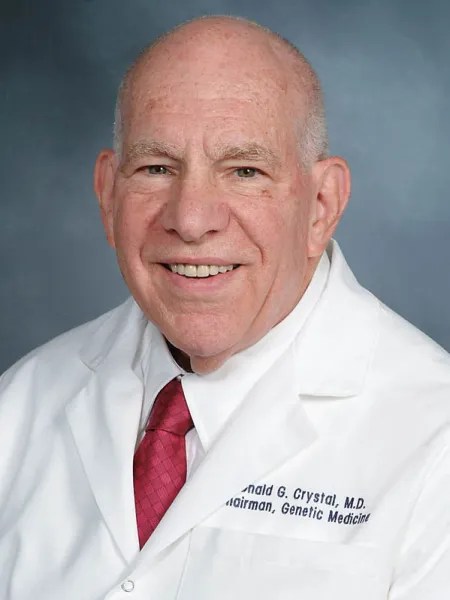
Dr. Ronald G. Crystal’s pioneering use of a modified adenovirus as a delivery vehicle for new therapies marked a watershed moment in gene therapy, sparking numerous therapeutic strategies and vaccines. Using recombinant proteins and antibodies, his team transformed brain cells into antibody-producing cells — particularly potent against glioblastoma, an aggressive and incurable brain cancer. His strategies and technology for effective gene delivery to the central nervous system promises to revolutionize cancer treatment and impact central nervous system disorders.
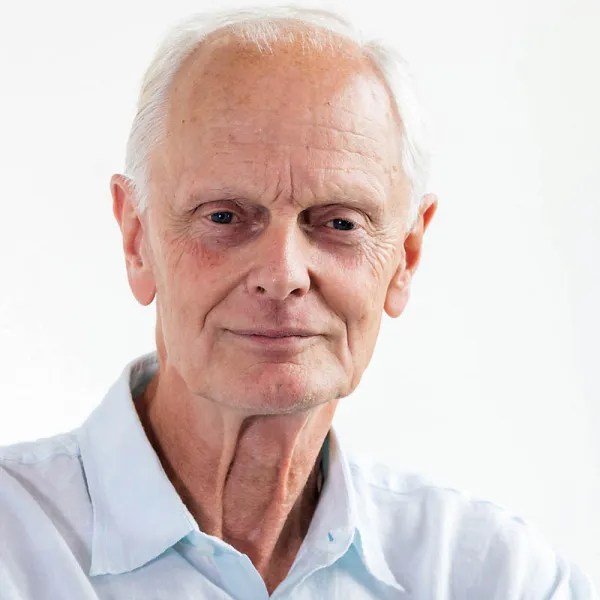
Distinguished molecular biologist Dr. Terence Rabbitts is celebrated for pioneering research into cancer’s genetic origins. His work centers on oncogenes and their involvement in leukemia, with a standout focus on elucidating chromosomal translocations’ role in cancer onset. These findings have not only enriched diagnostics, but also propelled targeted therapeutic approaches. Dr. Rabbitts’ influential contributions have profoundly shaped cancer genetics, unveiling invaluable insights into the intricate molecular pathways underlying tumorigenesis.
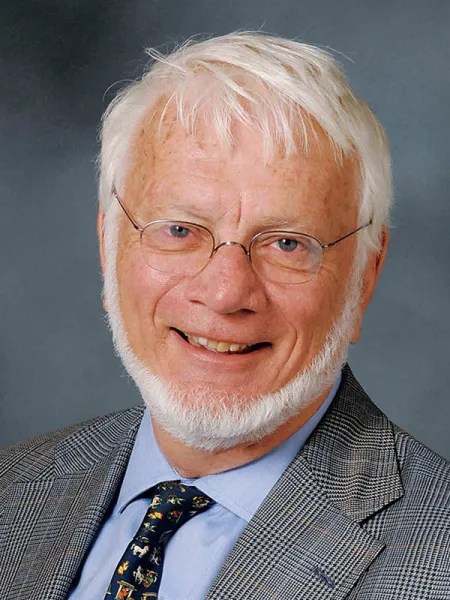
Dr. Thomas Steitz, a 2009 Nobel laureate in Chemistry, reshaped our understanding of the ribosome’s structure and function — a pivotal hub for cellular protein synthesis. His groundbreaking insights resonate profoundly in cancer research, offering avenues for novel therapies. By comprehending protein synthesis mechanisms, tailored drugs can disrupt cancer cells’ protein production. Dr. Steitz’s transformative findings have propelled progress in both cancer treatment and comprehension, thus imparting a tangible positive impact on the lives of countless cancer patients.
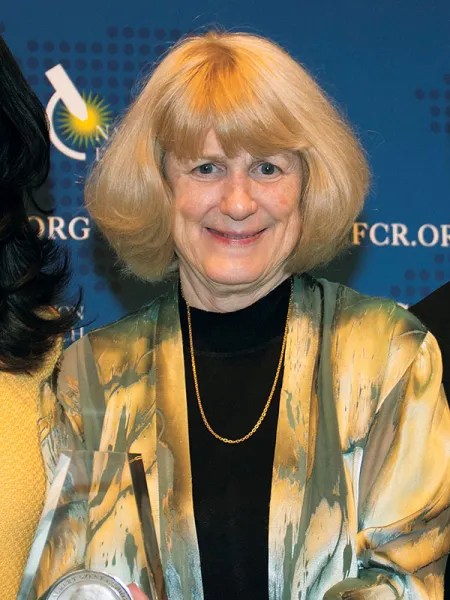
Dr. Mary-Claire King has left an enduring impact on cancer research through her transformative contributions. Best known for identifying the BRCA1 gene associated with hereditary breast and ovarian cancers, her work revolutionized our understanding of cancer susceptibility. Dr. King’s discoveries catalyzed genetic testing and personalized risk assessment, guiding preventive strategies and informing treatment decisions. Her legacy extends to broader applications of genetics in oncology and paves the way for innovative approaches to cancer prevention and care. NFCR honored Dr. King with the 2016 Szent-Györgyi Prize.
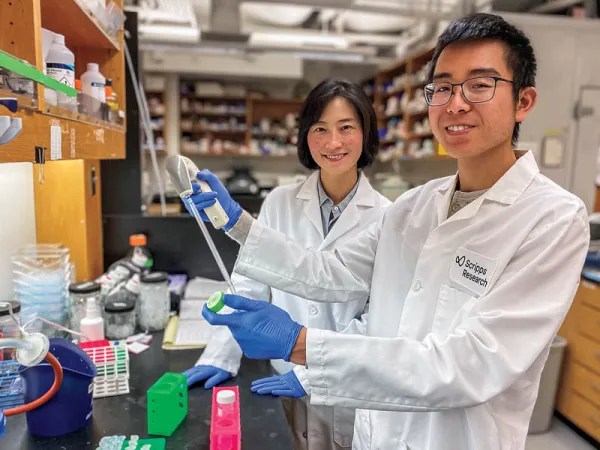
Dr. Xiang-Lei Yang, a leader in molecular biology, collaborates with NFCR-sponsored Dr. Paul Schimmel in exploring the multifaceted roles of aminoacyl-tRNA synthetases (aaRS). These enzymes, vital for protein synthesis, also regulate angiogenesis and suppress cancer-related factors. Focusing on SerRS, an aaRS enzyme, Dr. Yang’s team uncovered its inhibition of c-Myc, a pivotal oncogene controlling blood vessel growth. This discovery could guide innovative treatments for diverse cancers, offering promising therapeutic pathways.
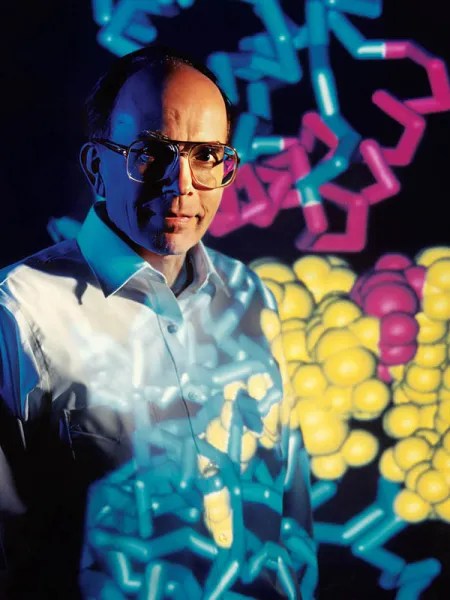
Dr. Paul Schimmel is a molecular biology and biochemistry luminary. His investigations explore enzymes that direct the genetic code, known as aminoacyl tRNA synthetases, and how they ensure accuracy of protein synthesis — laying the foundation for understanding the genetic code’s translation. Dr. Schimmel’s research revealed multifaceted roles of tRNA synthetases, with implications in cancer. He helped found multiple companies focused on RNA interference and (RNAi) therapeutics, which helped save an estimated 600,000 lives. Dr. Schimmel’s extensive work has ultimately broadened understanding of cellular processes, paving the way for therapeutic advancements.