
NFCR-supported scientists have played a pivotal role in harnessing computational power to unravel cancer biology and develop innovative therapeutic strategies. Dr. Graham Richards, a visionary in computational chemistry, collaborated with NFCR for close to three decades to push the boundaries of cancer drug design. Through molecular modeling and simulations in the Screensaver LifeSaver Project, Dr. Richards aimed to forecast interactions between drugs and cancer-related proteins. This forward-thinking approach expedited the drug discovery process by virtually screening extensive chemical libraries, ultimately leading to the identification of potential anticancer drug targets. Dr. William Jorgensen, another luminary supported by NFCR, developed methodologies and software for computer-aided drug design. Additionally, Dr. Janos Ladik utilized theoretical physics and super computers to investigate the use of DNA intercalating agents as cancer preventive agents, inhibiting the formation of mutations to prevent cancer initiation. Overall, the collaborative synergy among these scientists and NFCR exemplifies the transformative impact of computational approaches on cancer research. The integration of computational methodologies has expedited drug discovery, optimized treatment modalities and unraveled the complexities of cancer biology.

Select a Researcher Below to Learn More about their contributions to Computation & Cancer Breakthroughs
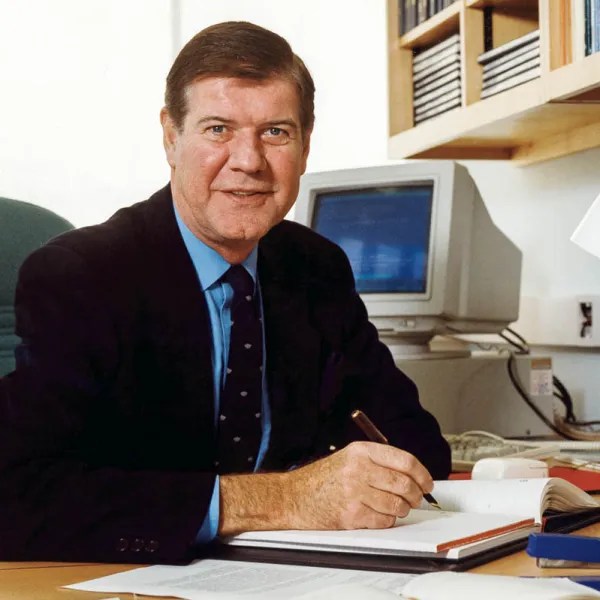
Dr. Graham Richards has shaped cancer research through advancements in computational chemistry. Utilizing molecular modeling and simulations, his innovative work in the Screensaver LifeSaver Project used the idle time of more than 3.5 million personal computers linked through the internet to computationally screen a large database of molecular structures. More than 3.5 billion drug-like molecules were screened against 12 cancer targets, which yielded tens of thousands of lead compounds that were used to identify new anti-drug candidates. Dr. Richards’ contributions have catalyzed more efficient and targeted cancer therapies, making strides towards personalized medicine and enhanced patient outcomes in cancer care.

Dr. William Jorgensen’s contributions to cancer research have reshaped the landscape with computer-aided drug design. With a specific emphasis on enzyme inhibitors, notably directing efforts towards fibroblast growth factor receptor 1 kinase (FGFR1 kinase), Dr. Jorgensen’s innovative methodology holds the promise of significant advancements across a range of cancer types. This approach leverages computational modeling to identify potential FGFR1 kinase inhibitors, a vital step toward forging novel therapeutic avenues.
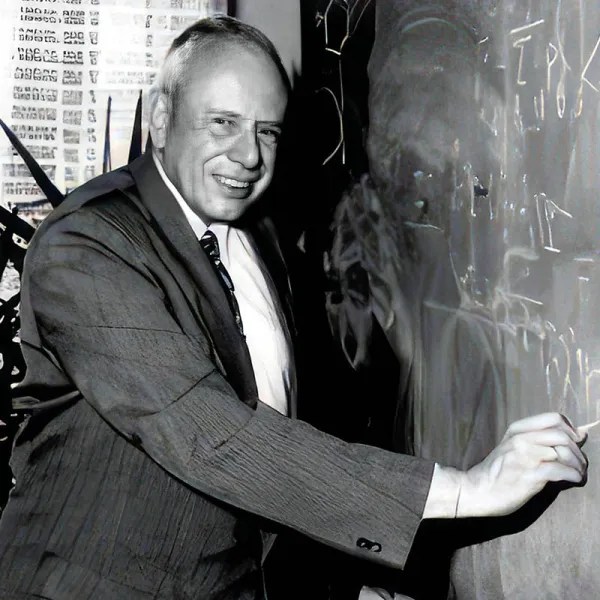
Dr. Janos Ladik, a distinguished computational researcher, advanced cancer understanding through the exploration of DNA intercalating agents — specialized anticancer compounds integrating into the DNA double helix. Leveraging theoretical physics, supercomputers and biology, he explored their potential for cancer prevention. By disrupting cell division and RNA/protein synthesis, Dr. Ladik impeded rapidly dividing cancer cells. Dr. Ladik’s interdisciplinary approach illuminated intricate cellular processes, informing transformative therapeutic strategies to prevent cancer initiation.