NFCR at AACR 2026: Advancing Breakthroughs for All Cancers
At the 2026 AACR Annual Meeting, NFCR-supported scientists shared impactful discoveries shaping the future of cancer prevention, diagnosis, and treatment.
From cutting-edge clinical trials to breakthroughs in tumor biology and artificial intelligence, NFCR-funded researchers are helping advance promising science toward lifesaving cures.
Highlights from NFCR-supported scientists at AACR 2026 include:
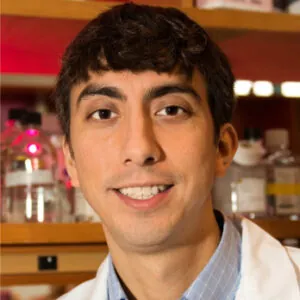
Beating Treatment Resistance in Lung Cancer
Aaron N. Hata is uncovering how lung tumors evolve to resist targeted therapies – one of the biggest challenges patients face. He and his team are investigating new strategies to stop that resistance before it leads to relapse.
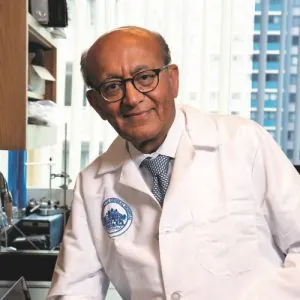
Turning the Tide in Pancreatic Cancer
Rakesh K. Jain is advancing innovative approaches that bring new hope to pancreatic cancer patients. He makes tumors more responsive to treatment by improving drug delivery and reshaping the tumor environment. This progress builds on Dr. Jain’s long-supported NFCR work on the tumor microenvironment and combination therapies.

Advancing Precision Therapies for Breast Cancer
Aditya Bardia is making strides in clinical research to refine targeted therapies and improve outcomes for patients living with high-risk and treatment-resistant breast cancers, such as metastatic breast cancer, giving hope to breast cancer patients.
See also: Research Update: NFCR-Supported Scientists Advance Liquid Biopsy Technology.
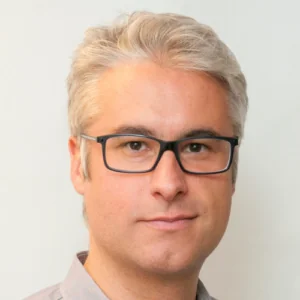
New Insights into Brain Cancer Complexity
Mario L. Suvà is achieving new milestones using powerful single-cell and spatial technologies to map glioblastoma at unprecedented resolution. This work will unlock new treatment opportunities for patients facing a poor prognosis.
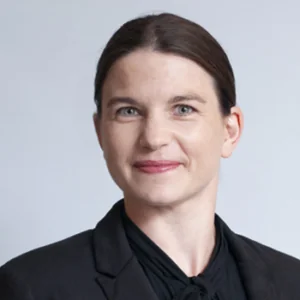
Mapping Cancer’s Genetic Blueprint with AI
Esther Rheinbay is leveraging large-scale genomic data and advanced computational tools to uncover hidden cancer-driving mutations and accelerate discovery. This research could provide more targets for innovative cancer treatments.
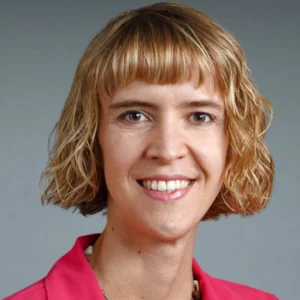
Discovering How Cancer Begins
Teresa Davoli is investigating how chromosome imbalances contribute to cancer initiation. Her work paves the way for new pathways in early detection and prevention.

Targeting Aggressive Prostate Cancer Subtypes
Himisha Beltran is identifying therapeutic vulnerabilities in aggressive neuroendocrine prostate cancer. Her research will open new opportunities to promising new treatment strategies, critically needed for patients.
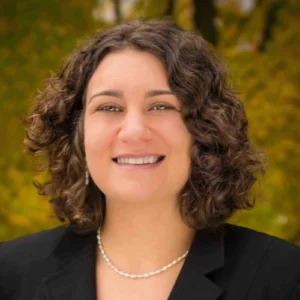
Decoding Cancer Through Data and Systems Biology
Elana Fertig is using advanced computational modeling and systems biology to understand how cancer cells interact and evolve. Her work is helping uncover new, more precise treatment strategies.
From Dr. Fertig:
“NFCR support for a summer intern enabled us to optimize a new spatial analysis method for cell-cell communication presented by Orian Stapelton at AACR and being applied to digital twins of breast cancer in ongoing work from myself and Dr. Lisa Coussens.”
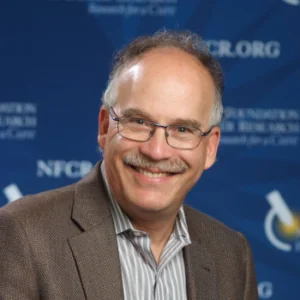
Advancing Early Detection and Interception
Daniel A. Haber is pioneering innovative approaches to detect cancer earlier through blood-based biomarkers, which could lead to earlier intervention and improved survival.
See also: Progress Made in Precision Treatment for Small Cell Lung Cancer Thanks to NFCR Support
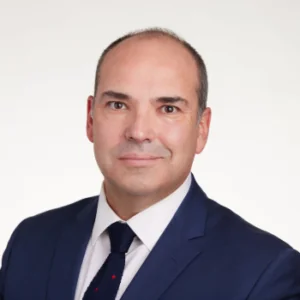
Expanding Precision Medicine in Lung Cancer
Christian Rolfo is advancing biomarker-driven therapies and clinical strategies that help match lung cancer patients with the most effective, personalized treatments.
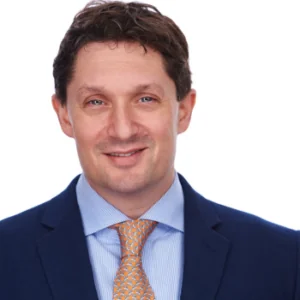
Uncovering New Targets in Lung Cancer
Benjamin Drapkin is identifying novel genetic drivers of lung cancer, revealing new vulnerabilities that could be targeted with next-generation therapies.
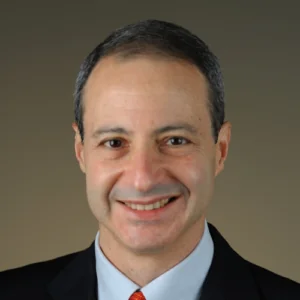
Targeting Cancer at Its Signaling Core
J. Silvio Gutkind is uncovering how key signaling pathways drive cancer growth and progression. By doing so, he is laying the groundwork for therapies that can disrupt cancer at its source.
These updates show how NFCR-supported scientists are leading breakthroughs and cures for patients in need.
If you would like to learn more about any of these breakthroughs, reach out to schedule a time with our team or visit the AACR Annual Meeting event page.
Notable Awards
NFCR congratulates three distinguished scientists who received recognition at this year’s AACR Annual Meeting.
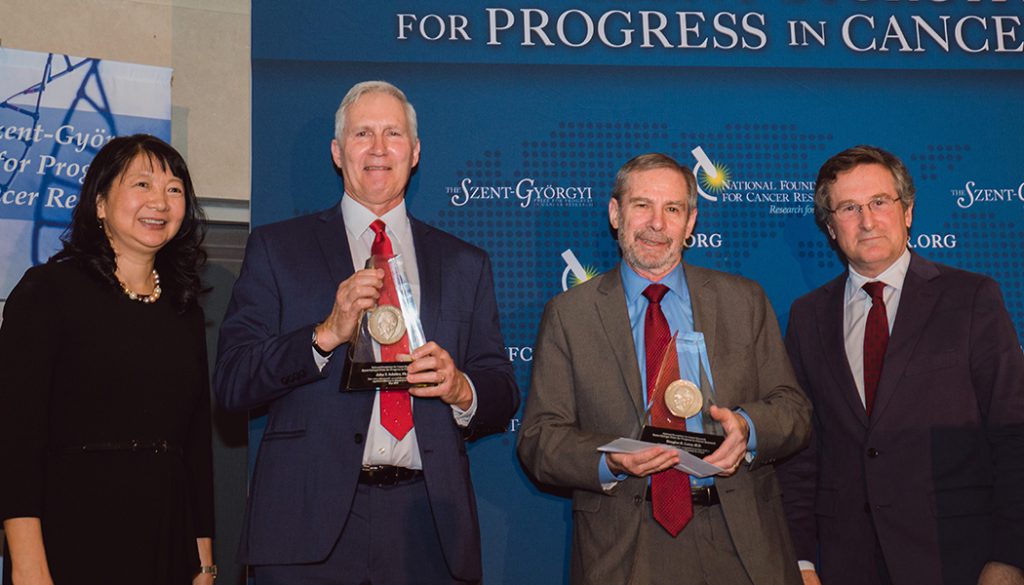
Dr. Doug R. Lowy and John T. Schiller, PhD, were the recipients of the Pezcoller Foundation-AACR International Award for Extraordinary Achievement in Cancer Research. This honor recognizes their outstanding contributions and significant advancements in the field. Further research has confirmed that vaccination against HPV has also reduced incidences of other cancers, such as penile, vaginal, and more.
Their breakthrough discovery will leave a lasting mark on the eradication of cancer. It also exemplifies how cancer research works to make cures possible.
In 2018, Drs. Lowy and Schiller were awarded the Szent-Györgyi Prize for Progress in Cancer Research for their lifesaving work developing the vaccine for human papillomavirus (HPV), the disease that causes 99% of cervical cancer cases.
You can view their 2018 Award Speech for this Prize on NFCR’s YouTube Channel >>>
See also: The Powerful Impact of the HPV Vaccine on Cervical Cancer Cases.
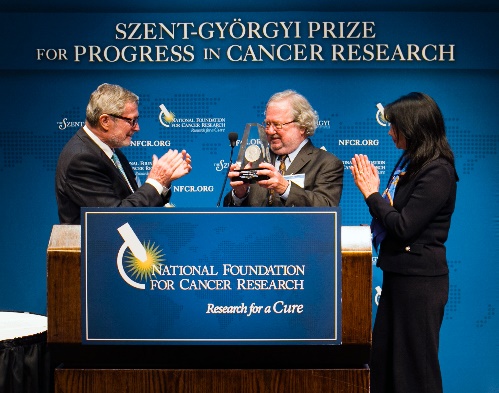
Nobel Laureate Dr. James P. Allison is this year’s recipient of the AACR Award for Lifetime Achievement in Cancer Research. This award is one of many esteemed recognitions Dr. Allison has received for his work.
In 2014, NFCR awarded Dr. Allison the Szent-Györgyi Prize for Progress in Cancer Research, before his ground-breaking research was widely recognized. His discoveries in immunotherapy led to the development of immune checkpoint therapy and the first FDA-approved drug for metastatic melanoma. Dr. Allison received the 2018 Nobel Prize in Physiology or Medicine for the same game-changing discoveries.
There is no doubt that Dr. Allison has revolutionized the way scientists approach cancer treatment, which has saved patients around the world.
See also: All Things Cancer Episode #4: Dr. James Allison on Immunotherapy
Continuing Conversations that Make Cures Possible
To see what’s new and what’s next in cancer research, consider securing your early-bird access to NFCR’s Global Summit, which will take place this fall in Washington, D.C. Learn more >>>