
NFCR extends its unwavering support and honors to scientists at the forefront of metastasis research. Dr. Danny Welch leads this research with a two-pronged strategy which could inspire new therapies preventing metastasis and detecting high-risk patients early. Dr. Ronald DePinho’s research helped form the basic understanding of cancer cell development. He has convincingly established that telomere dysfunction, combined with an impaired DNA damage response and the continual renewal of epithelium by aging or disease processes, converge to form the common carcinomas and their metastases. With NFCR funding since 2000, Dr. Daniel A. Haber developed the CTC-iChip, capturing circulating tumor cells for real-time insights, genetic testing and personalized treatment decisions. Dr. Paul Fisher’s immune-theranostic approach to fighting metastatic tumors targets cancer cells without harming healthy ones, holding the potential to reshape cancer treatment. Known for his work establishing the fluid-mosaic model of the cell membrane, Dr. Garth L. Nicolson also characterized heparanases significance as biomarkers for tumor metastasis. By delving into the complex mechanisms underlying metastasis, NFCR and these visionary scientists aim to revolutionize the way we approach cancer treatment, making significant strides toward improved patient outcomes, enhanced quality of life, and ultimately, a world free from the burden of metastatic cancer.

Select a Researcher Below to Learn More about their contributions to Metastasis Breakthroughs
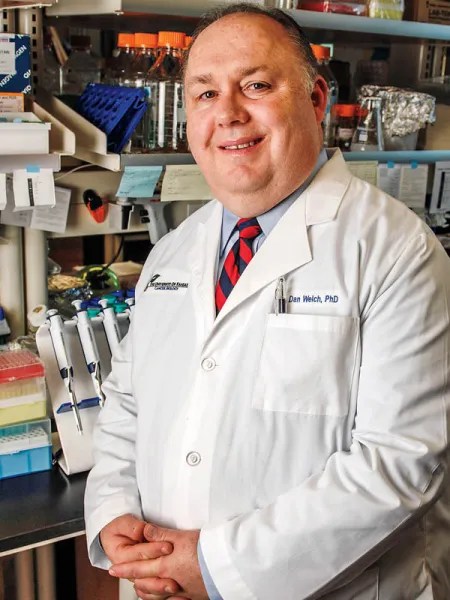
Dr. Danny Welch is renowned for his two-pronged strategy to combat the lethal spread of cancer, which accounts for 90 percent of cancer-related deaths. His research unveiled metastasis suppressor genes such as KISS1, BRMS1 and ITIH5, essential in combatting cancer’s spread, and how DNA variabilities in mitochondria relates to racial susceptibilities to specific cancers and their metastatic potential. Dr. Welch’s approach offers hope for targeted therapeutic interventions and opens new avenues in cancer treatment.
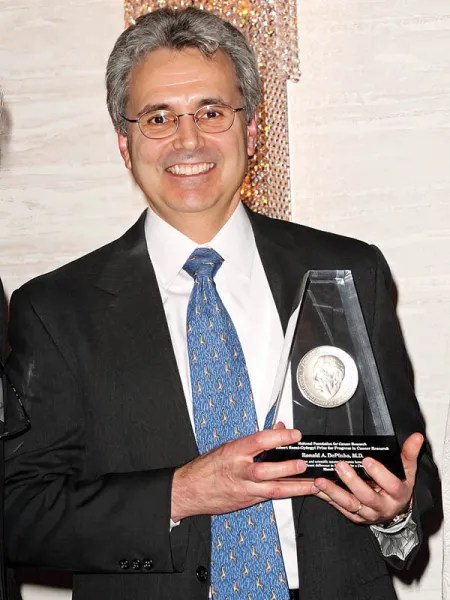
Dr. Ronald DePinho is best known for his work on telomerase and telomere dysfunction as it relates to cancer and aging. In collaboration with Nobel laureate Dr. Carol Greider, Dr. DePinho generated the first telomerase knockout mice. His research on cancer cells includes the recognition of the mechanism of tumor suppression by p53. For his work, NFCR honored him with the 2009 Szent-Györgyi Prize. His current work studying the signaling molecule, STAT3, has an integral role including proliferation, survival, angiogenesis, metastasis, invasion and immune escape, which influences tumorigenesis and suppression of the immune system. Using computer-based drug screening of thousands of compounds from chemical libraries, Dr. DePinho has identified inhibitors of STAT3 in complex tumor models of various cancers.
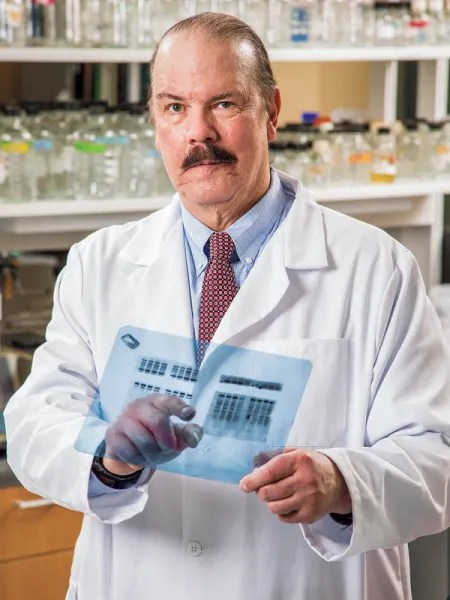
Known for his work on the molecular and genetic mechanisms that contribute to cancer development and progression, Dr. Paul Fisher has delved into understanding the genes that play a crucial role in cancer cell survival, with the hope of developing targeted therapies. With NFCR funding, Dr. Fisher genetically engineered a tumor suppressor to produce a fluorescent signal, aiding in tumor diagnosis and monitoring. He incorporated this immuno-theranostic into an “adoptive cell therapy” that reduced prostate tumors in mice. His therapy utilizes modified immune T-cells to deliver anticancer genes and an immune enhancer gene, effectively targeting and destroying cancer cells.
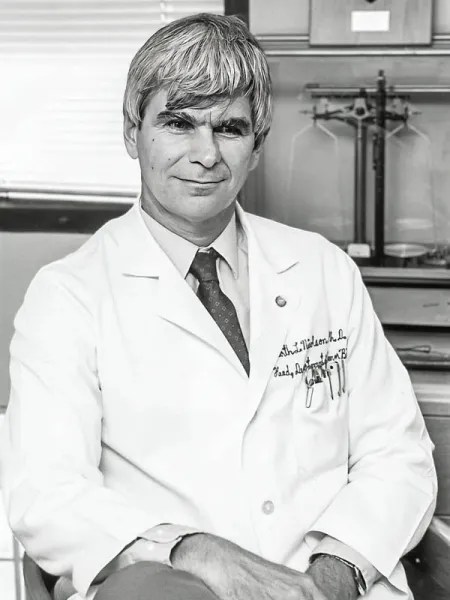
Dr. Garth L. Nicolson, best known for advancing the understanding of cellular membranes and establishing the fluid-mosaic model of the cell membrane, expanded his research into cancer metastasis. In collaboration with Dr. Motowo Nakajima, Dr. Nicolson also characterized heparanases in their significance as biomarkers for tumor metastasis. In doing so, they made the first connection between metastasis and heparanase. In melanoma cells, Drs. Nicolson and Nakajima revealed the importance of heparan sulfate proteoglycan degradation as a crucial event during tumor cell invasion.
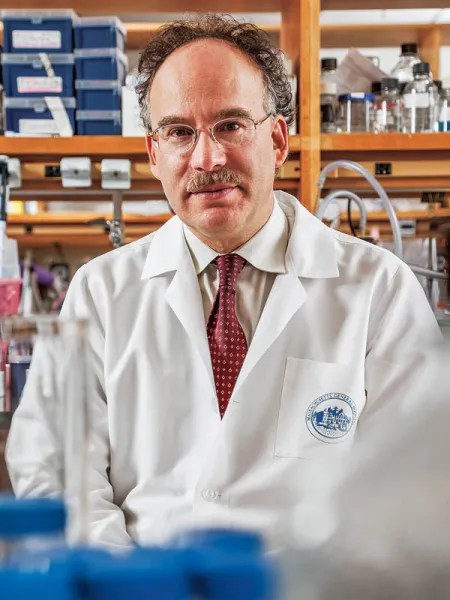
Dr. Daniel A. Haber focuses on understanding the genetic abnormalities of cancer — from inherited mutations and predispositions to mutations that are acquired by tumors themselves. Dr. Haber has made groundbreaking discoveries related to circulating tumor cells (CTCs). These cells break away from primary tumors and are responsible for metastasis. His research has opened new avenues for early cancer detection and understanding drug resistance, with significant implications for the diagnosis, treatment and management of cancer.