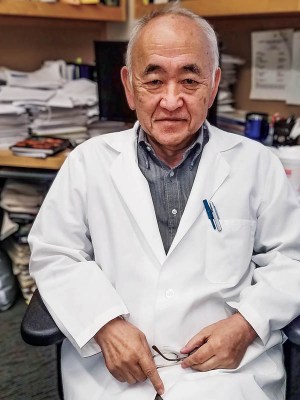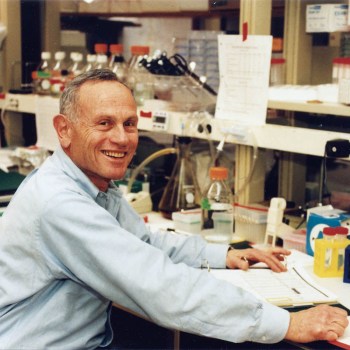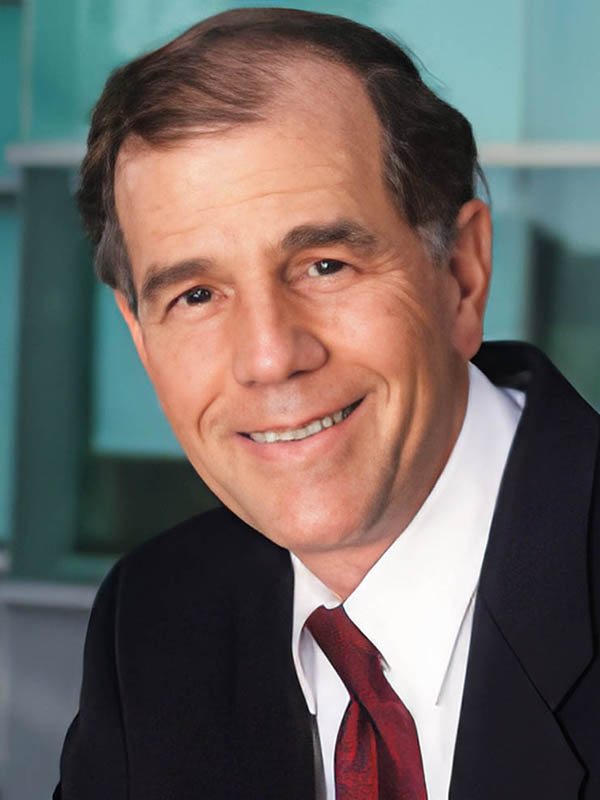

NFCR provides support and recognizes numerous scientists making life-changing contributions to cancer therapies. Dr. Kathryn Horwitz’s research on hormone-based therapies has improved breast cancer treatment. Dr. Susan Band Horwitz’s groundbreaking discovery around Taxol resistance has transformed cancer care. Dr. Alex Matter’s development of the first drug specifically targeting molecular lesion in cancer, Gleevec, ushered in a new era of precision medicine. The collaborative efforts of Dr. Zhen-Yi Wang and Dr. Zhu Chen transformed the once fatal disease, acute promyelocytic leukemia (APL), into a highly treatable one by integrating traditional Chinese and Western medicine. Dr. Yung-Chi Cheng’s innovative research on traditional Chinese medicine in anticancer drug development has left a lasting impact. Dr. Dennis A. Carson uncovered the common deletion of a purine metabolism enzyme and the p16 tumor suppressor gene in multiple cancers to develop cladribine, a first-line treatment for hairy cell leukemia (HCL). Dr. Alan Sartorelli was one of the first scientists to recognize the importance of personalized treatment approaches based on a patient’s genetic makeup. Dr. Doug Lowy and Dr. John Schiller developed vaccines for the human papillomavirus (HPV). Dr. Michael Sporn pioneered the field of chemoprevention with the development of novel treatments. Dr. Curt Civin’s discoveries enabled stem cell transplantation, improving survival for leukemia patients. These collective efforts have profoundly impacted cancer patients by providing more effective and targeted treatment options, enhancing prognosis — and offering hope for a better quality of life.

Select a Researcher Below to Learn More about their contributions to Transformative Therapies Development Breakthroughs
Dr. Susan Band Horwitz’s
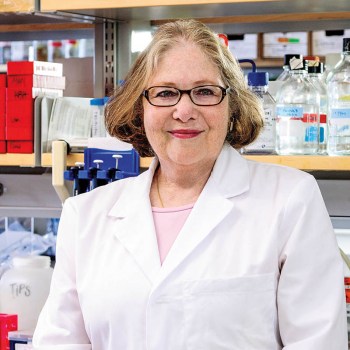
Dr. Susan Band Horwitz’s research into the mechanism of action of paclitaxel (Taxol), a prominent chemotherapeutic derived from the yew tree, has impacted the creation of novel anticancer treatments. Paclitaxel is now a cornerstone in managing diverse cancers, including breast, ovarian and lung. Despite the effectiveness of Taxol therapy for many patients, drug resistance poses a clinical challenge. Dr. Horwitz’s research could guide doctors in predicting patient responses. Dr. Horwitz’s contributions have enriched our knowledge of cancer cell proliferation, offering patients expanded avenues for effective therapies. NFCR honored Susan Band Horwitz with the 2020 Szent-Györgyi Prize.
Dr. Kathryn Horwitz
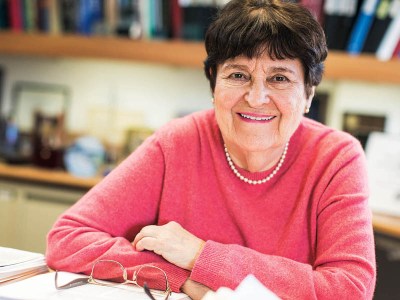
Dr. Kathryn Horwitz is a distinguished researcher in the field of endocrinology, with a focus on the role of steroid hormones such as progesterone in the development and progression of breast cancer. Dr. Horwitz’s research delves into the molecular mechanisms through which hormones impact tumor growth, metastasis and treatment response. Her investigations led to crucial insights into hormone resistance in breast cancer and have paved the way for the development of novel therapeutic strategies. Dr. Horwitz’s influence is evident in improved patient outcomes and the broader understanding of hormonal influences in cancer progression and treatment.
Dr. Yung-Chi Cheng
Dr. Yung-Chi Cheng has consistently pushed the boundaries of antiviral and anticancer agents. Renowned for groundbreaking contributions to cancer and hepatitis B drug development, his research explores traditional Chinese medicine’s potential anticancer properties, including a botanical drug that enhances immunotherapy and chemotherapy. Combined with a frontline drug, it is treating liver cancer patients in a global clinical trial. This holistic approach, melding modern and traditional methodologies, underscores Dr. Cheng’s commitment to finding diverse solutions to complex medical challenges. Dr. Cheng’s contributions have elevated our grasp of potential therapeutic strategies in the battle against cancer.
Dr. Michael B. Sporn
Dr. Michael B. Sporn was a pioneer in the realm of cancer research, particularly as a trailblazer in the emerging field developing novel chemopreventive drug agents, a concept in its infancy at the time. This work included the synthesis of hundreds of naturally occurring molecules known as triterpenoids, possessing remarkable preventive properties, from anti-inflammatory and anti-proliferative to pro-apoptotic and cytoprotective. Triterpenoids hold immense potential in combatting various cancers, including breast, lung and pancreatic malignancies.
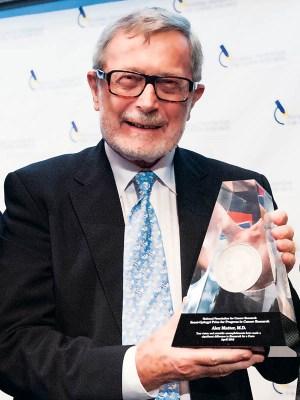
Dr. Alex Matter
Dr. Alex Matter is a visionary scientist celebrated for his work in precision medicine. Dr. Matter’s development of Gleevec, the first drug specifically targeting molecular lesion in cancer, revolutionized cancer treatment by demonstrating the potential of targeting specific genetic abnormalities. Gleevec’s success paved the way for targeted therapies, altering cancer care and inspiring the pursuit of tailored treatments for various malignancies. Dr. Matter’s legacy resonates through improved patient outcomes and personalized oncology approaches. NFCR honored Dr. Matter with the 2013 Szent-Györgyi Prize.
Dr. Dennis A. Carson
Dr. Dennis A. Carson is best known for his research in the development of new therapeutics for cancer and autoimmune diseases. He has helped create several novel anticancer drugs, including cladribine, a first-line treatment for hairy cell leukemia. Dr. Carson’s impactful work has enriched our understanding of cancer biology, offering potential avenues for more effective treatments and improved patient outcomes.
Zhen

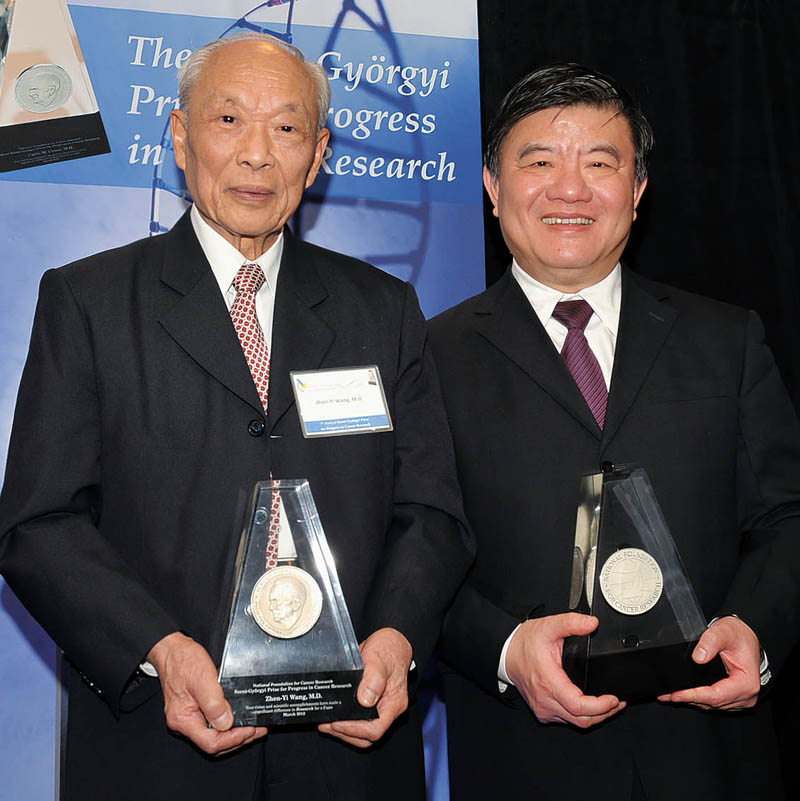
In 2012, NFCR awarded the Albert Szent-Györgyi Prize to Dr. Zhen-Yi Wang and Dr. Zhu Chen for their groundbreaking contributions to cancer research, particularly in treatment of acute promyelocytic leukemia (APL). Their innovative therapeutic approach combined traditional Chinese medicine with Western medicine, significantly improving treatment outcomes. This method dramatically increased the five-year disease-free survival rate and set a new standard

of care for APL. Their collaborative efforts showcased the potential of tailored therapies, offering new hope and insights into managing challenging cancer subtypes.
Doug Lowy
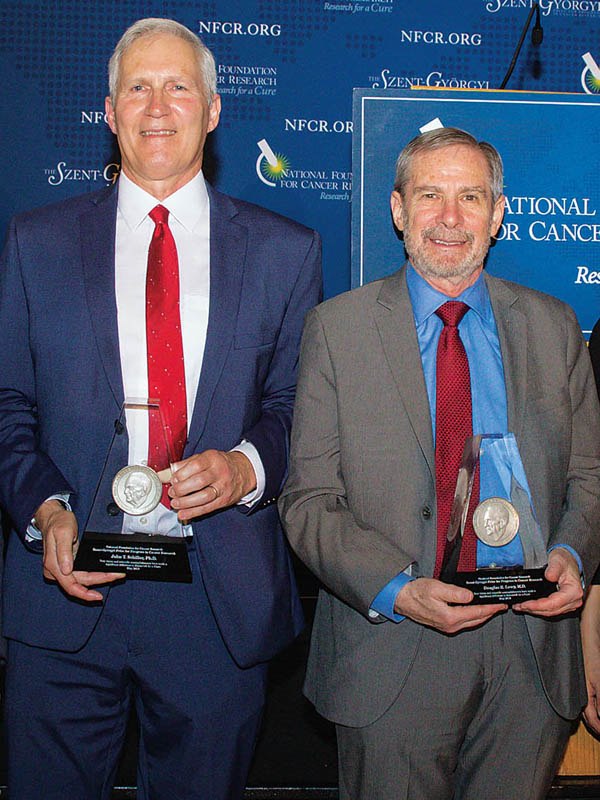
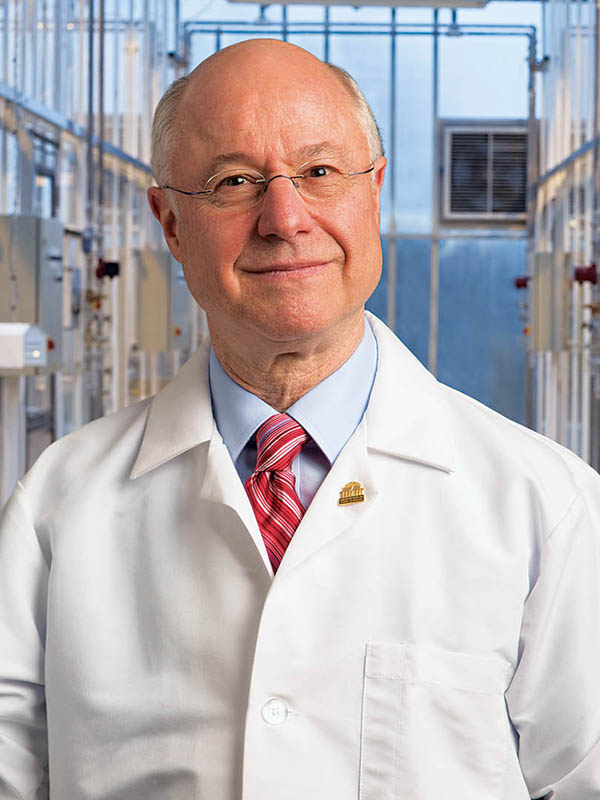
NFCR honored Dr. Doug Lowy and Dr. John Schiller with the 2018 Szent-Györgyi Prize for their groundbreaking work in developing the HPV vaccine — the first FDA-approved cancer vaccine. The vaccine’s efficacy against HPV-driven cancers, especially cervical cancer, has been instrumental in public health. Dr. Lowy unraveled viral oncology mechanisms, and Dr. Schiller deepened our comprehension of viral-associated cancers. Their combined efforts have saved lives and inspired innovative approaches to combat and prevent HPV-related malignancies.
Dr. Curt Civin
Dr. Curt Civin pioneered bone marrow stem cell transplantation, significantly improving leukemia patient survival rates. His 1984 discovery of CD34, a vital marker for hematopoietic stem cells, revolutionized treatment by enabling stem cell transplantation. Dr. Civin’s latest breakthrough offers hope for acute myeloid leukemia (AML) patients. He has identified artemisinins, used against malaria, as effective agents against AML cells. ART-838, a specific artemisinin compound, shows remarkable promise, complementing existing drugs and sparing normal bone marrow cells.
Dr. Alan Sartorelli has made a lasting mark on cancer research through his contributions to the development of chemotherapeutic agents. As a trailblazer who grasped the significance of tailoring drugs to specific tumors, Dr. Sartorelli’s research has been pivotal in shaping the present-day personalized approach to cancer treatment, which hinges on the unique genetic makeup of each patient. His innovative approaches have paved the way for more effective therapies and improved patient outcomes, leaving a legacy in the field of cancer research and treatment.