
The study of redox reactions in cancer research gained momentum in the 1960s and 1970s with Dr. Albert Szent-Györgyi’s work on the role of electron transfer reactions in biological systems. Dr. Szent-Györgyi’s research, leading to the creation of the NFCR in 1973, paved the way for Dr. Helmut Sies to further expand our knowledge of redox reactions during the 1980s. With the support of NFCR, Dr. Sies became instrumental in understanding the role of oxidative stress in cancer development and progression. Amidst the growing recognition of the importance of redox reactions in cancer, Dr. Trevor Slater’s research emerged, shedding light on the intricate balance between oxidants and antioxidants. NFCR not only supported individual scientists in the field of free radicals and antioxidants, but also fostered collaboration through sponsorship of symposia such as The Oxygen, Radicals, and Cancer Workshop. The workshop coordinators, Dr. Lester Packer, Dr. Bruce Ames and Dr. Martyn Smith, started the Oxygen Club of California, an organization for collaboration on oxidant-related research. It is this spirit of collaboration that has accelerated progress for the past 50 years and continues to offer new possibilities for innovative cancer therapies and improved patient outcomes.

Select a Researcher Below to Learn More about their contributions to Oncogenes & Tumor Suppressor Genes Breakthroughs
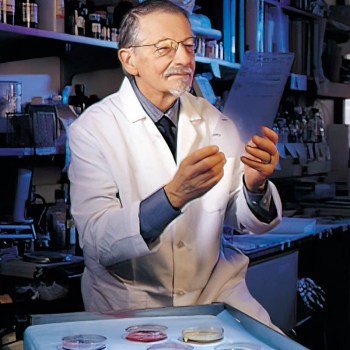
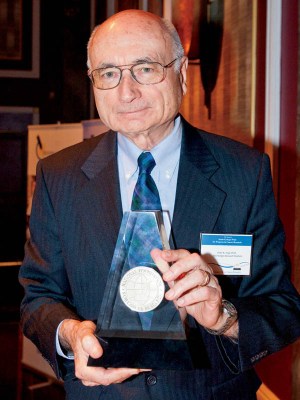
Dr. I. Bernard Weinstein
Dr. I. Bernard Weinstein is a distinguished figure in the realm of cancer research and oncology, recognized for his studies on the molecular mechanisms of cancer development and progression. A central theme of his research was understanding how DNA repair, mutation and genomic instability contribute to cancer onset. Dr. Weinstein hypothesized that these mutations within an oncogene drive the cell toward malignancy and alter the cell-signaling pathways in a way that makes the cancer cell dependent on the oncogene for its survival. Dr. Weinstein’s work has provided critical insights into genetic alterations in cancer, leading to the identification of potential therapeutic targets.
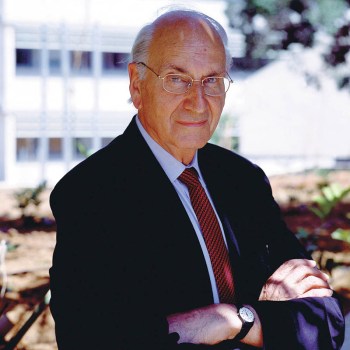
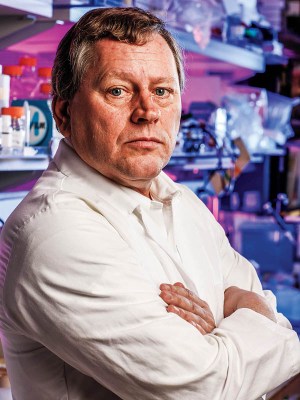
Dr. Webster Cavenee
Dr. Webster Cavenee is a preeminent figure in cancer genetics research, renowned for his groundbreaking work on the genetic basis of tumorigenesis, oncogenic cell signaling and his use of genetic approaches to cancer identification. Dr. Cavenee identified genetic mutations involved in cancer, with a particular emphasis on brain tumors, such as glioblastoma multiforme. This pivotal work not only provided key insights into the genetic mechanisms that drive tumor progression, but also offered potential therapeutic avenues for targeting these genetic anomalies.
Dr. Peter K. Vogt
Dr. Peter K. Vogt gained significant recognition for his groundbreaking research, which played a pivotal role in uncovering the mysteries of oncogenes. His genetic investigations were instrumental in pinpointing the initial oncogene, SRC, and in revealing that retroviral oncogenes originate from the cell’s genome. Notably, his work extended to identifying other crucial retroviral oncogenes like MYC, JUN and PI3K, all of which hold substantial significance in human cancer. Presently, PI3-kinase stands out as a highly promising focal point in the realm of cancer treatment.
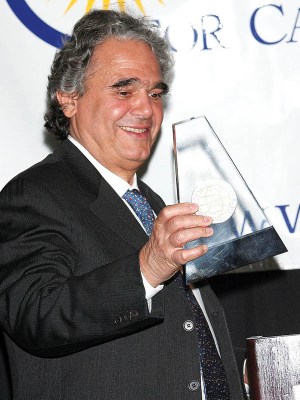
Carlo M. Croce
Renowned for his investigations into cancer pathogenesis, Dr. Carlo M. Croce has illuminated the genetic underpinnings of cancer onset. His research has established links between various cancers and genetic factors, underscoring the role of chromosomal abnormalities in initiating and advancing cancer. Dr. Croce’s work encompasses gene studies, including ALL1, LZTS1, and the pivotal discovery and sequencing of BCL2, which is associated with lymphomas. Moreover, his research unveiled the role of microRNA in cancer pathogenesis. Dr. Croce’s work has deepened our comprehension of cancer’s genetic composition, enabling new approaches to diagnosis, prognosis, and treatment. For his contributions, NFCR honored him with the 2008 Szent-Györgyi Prize.
Dr. Leo Sachs
Dr. Leo Sachs was a renowned molecular biologist whose pioneering work laid the foundation for advances in the fields of hematology and cancer research. His investigations into the differentiation and growth of hematopoietic cells enhanced the understanding of how blood cells develop from stem cells. The identification of colony stimulating factors (CSFs) and maturation factors could boost the production of infection-fighting white blood cells in cancer patients undergoing chemotherapy or radiation. His research on the tumor suppressor gene WT-p53 and its role in inducing apoptosis (programmed cell death) in leukemia cells has provided insights into suppressing malignancy and offers potential therapeutic strategies.
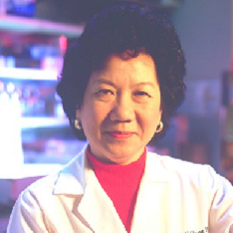
Dr. Esther H. Chang and her team developed a groundbreaking nanoscale drug delivery system to target primary and metastatic tumor cells directly, significantly heightening tumor sensitivity to chemotherapy and radiation across a spectrum of cancer types, including head and neck, prostate, pancreatic, breast cancer and melanoma. Recently, her team successfully delivered the p53 gene to sensitize ovarian tumors to chemotherapy. Her target delivery nano-cancer treatment minimizes toxicity to healthy cells, resulting in minimal side effects and remarkable therapeutic outcomes.