
Share your cancer story! Introducing: Faces & Voices of Cancer | NFCR
Blog

Introducing: Faces & Voices of Cancer

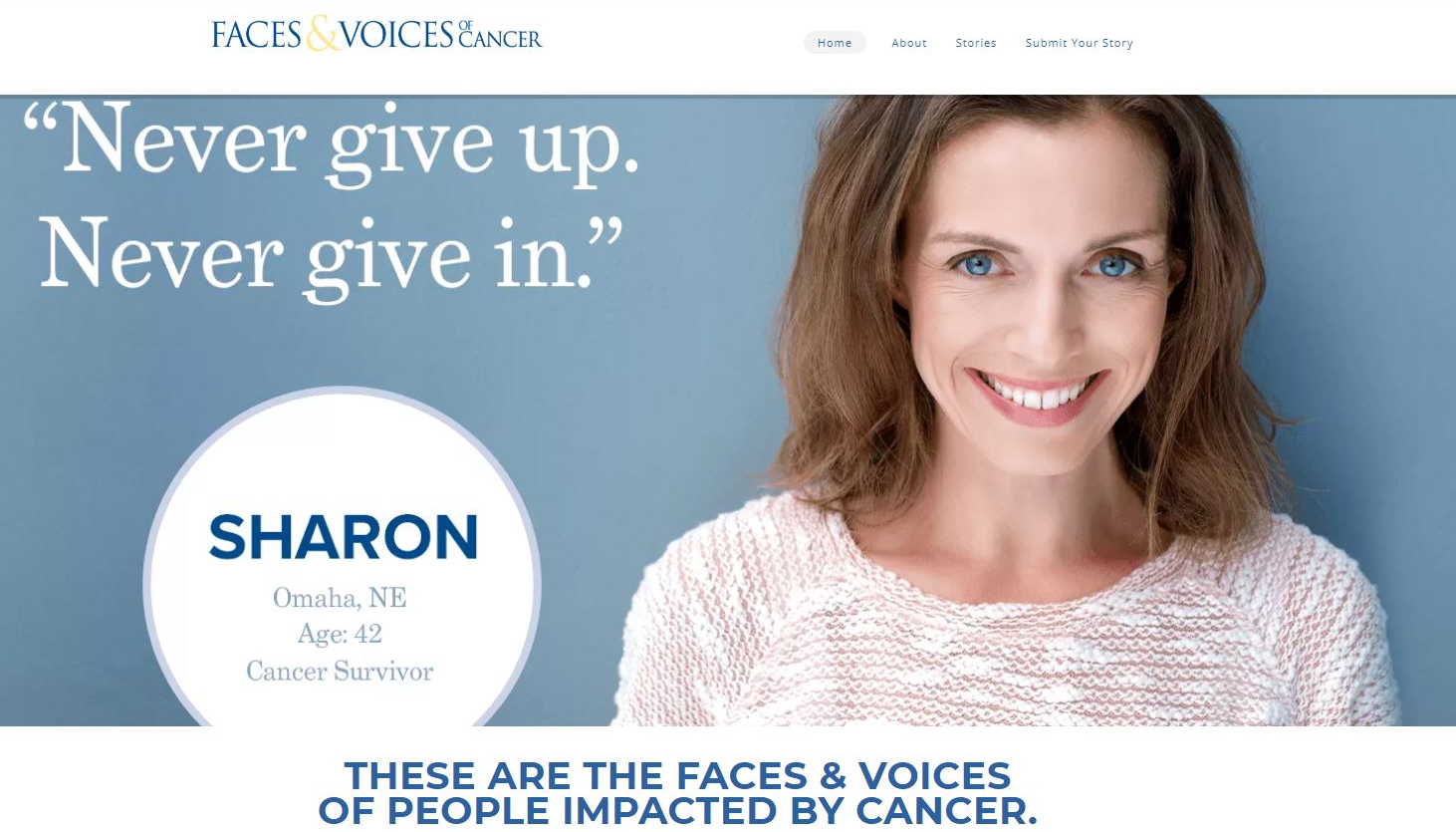
Face and voices of cancer Website Screenshot

You’ve been touched by cancer. We all have been.

Maybe you’re a patient, caregiver, researcher, donor or survivor. Maybe you’ve even lost a loved one.

Now it’s time to raise your voice. Tell your story. Inspire. And remind others—and even yourself—that none of us are alone.

On Friday, October 12th, the National Foundation for Cancer Research and MediaWerks Publishing, LLC are pleased to announce the Faces & Voices of Cancer website.

Join a community at FacesandVoicesofCancer.org, and share your story while finding inspiration. With your effort, we can grow, listen, and be heard.


Find Stories that Inspire

Daffodils, Diamonds, and a Community That Delivers

When a community rallies behind a shared mission, the impact is unmistakable—and this year’s Daffodils & Diamonds Luncheon brought that energy to life. On March 5, 2026, supporters of cancer research and the National Foundation for Cancer Research came together at Columbia Country Club in Chevy Chase, Maryland for the 43rd Annual Daffodils & Diamonds Luncheon and Fashion Show. For more than four decades, this beloved community tradition has brought people together around a shared commitment to advancing cancer research, and this year was no exception. Food, Bidding, and a Shared Purpose The morning kicked off with a reception and silent auction, giving guests a chance to reconnect with fellow supporters while raising critical funds for the cause. The energy in the room reflected what this event has always been about: a community that shows up, year after year, because they believe in the power of science to save lives. Record-Breaking Generosity Thanks to the generosity of everyone in attendance, the event raised over $107,000 to support NFCR and the Daffodils & Diamonds Accelerator Fund for New Therapies, which helps fund innovative research aimed at developing new treatments for cancer patients. Science in the Spotlight One of the afternoon’s standout moments was a presentation from Webster K. Cavenee, Ph.D., an internationally recognized leader in cancer research. Dr. Cavenee offered a window into the groundbreaking work happening in laboratories right now, and reminded the audience why continued investment in science matters so deeply. Style Meets Purpose The program also featured a vibrant spring and summer fashion show presented by Lilly Pulitzer, bringing color and energy to the room with the brand’s latest seasonal styles. It’s become a signature part of what makes Daffodils & Diamonds so special: the way it weaves together community, celebration, and purpose. The Faces Behind the Research Cancer survivors were honored during the luncheon program, their stories serving as powerful reminders of who this work is ultimately for. Every research breakthrough has a human face, and their presence made that impossible to forget. Familiar Faces, Vital Partners Longtime luncheon supporter Alison Starling emceed the program, bringing warmth and enthusiasm to the afternoon as she helped celebrate the collective impact made possible by this extraordinary community. NFCR was also honored to welcome the founders of the Laughlin Family Foundation, whose presence spoke to the vital role philanthropic partnerships play in moving cancer research forward. Building on Decades of Impact This year’s total of over $107,000 is another boost to the hundreds of thousands of dollars contributed by this community over the years for life-saving research. Thanks to the dedicated volunteer committee and the loyal supporters who return each spring, NFCR-funded scientists are able to pursue bold ideas and push toward new therapeutic approaches. Events like this one are a reminder that real progress is made possible by communities like this. We’re grateful to everyone who joined us, and we look forward to sharing more photos and highlights from the 2026 luncheon on the Daffodils & Diamonds Facebook page. Sign-up to Stay Informed About Cancer Research Breakthroughs with NFCR!

All Things Cancer Episode #9: Cheryl’s Journey Through Stage 4 Melanoma

From “Terminal” to Triumph When Cheryl first heard the words “stage IV melanoma,” her world stopped. Doctors told her that treatments for her diagnosis hadn’t changed in 25 years, that her options were limited, and that she should enjoy the holidays with her family— it might be her last. But Cheryl refused to give up. With persistence, hope, and the support of her family, she fought for answers. What followed was a relentless search for a clinical trial, countless phone calls, and determination that carried her across the country. Against all odds, Cheryl found a groundbreaking clinical trial at UCLA—and became what doctors called a “super responder.” The therapy not only saved her life but also helped pave the way for new treatments that are now available to patients worldwide. In the latest episode of All Things Cancer, NFCR President and CEO Dr. Sujuan Ba speaks with Cheryl about: The shock of hearing her diagnosis—and why she refused to accept “no” for an answer How she found and enrolled in a life-saving clinical trial when options seemed nonexistent The difficult side effects she endured as one of the earliest patients in the trial Why melanoma research has advanced so rapidly, and how it impacts many other cancers Her advice for patients, families, and doctors on hope, persistence, and advocacy Cheryl’s story is more than one of survival—it’s about transformation, resilience, and the power of research to change lives. Today, she continues to support other patients through advocacy and by sharing her message: never give up hope. About All Things Cancer Each episode of All Things Cancer will spotlight the most pressing topics in oncology, from cutting-edge treatments and emerging research to personal stories of resilience and hope. More than just a podcast, it’s a platform for raising awareness, advancing cancer education, and fostering a global community of support and collaboration. Hosted by NFCR CEO, Sujuan Ba, Ph.D., this compelling series will bring together the entire ecosystem of cancer research—including leading scientists, oncologists, doctors, patient advocates, caregivers, biotech innovators, and survivors—for powerful discussions on the breakthroughs shaping the future of cancer research, treatment, and care. All Things Cancer is now available on Spotify and Apple Podcasts, with new episodes released biweekly. Subscribe now to stay up to date on the latest episodes and join the conversation that’s shaping the future of cancer research. Cancer impacts everyone—whether you're a patient, caregiver, advocate, or researcher, this podcast delivers invaluable insights from those on the frontlines of the fight against it. Sign-up to Be Informed When the Next Episode Comes Out! A world without cancer is possible. Help us turn lab breakthroughs into life-saving realities. 5.7 Million+ Donors who have fueled NFCR's mission $420 Million+ Invested in high-impact research & programs 36+ Labs & Hundreds of Nobel Laureates & Key Scientists received NFCR funding, driving breakthrough research {{ vc_btn: title=MAKE+THE+DIFFERENCE&style=outline-custom&outline_custom_color=%23FF5012&outline_custom_hover_background=%23FFFFFF&outline_custom_hover_text=%23002C76&align=center&link=url%3Ahttps%253A%252F%252Fdev.nfcr.org%252Fmake-the-difference%252F }}Sign-up to Stay Informed About Cancer Research Breakthroughs with NFCR!

Against the Odds: The Mathews Family’s Journey through Glioblastoma

In 1994, Steve Mathews was a picture of strength: an accomplished athlete, Empire State Games medalist, and loving husband and father. When he was diagnosed with glioblastoma, one of the most aggressive and devastating forms of brain cancer, the prognosis was grim: six months to two years. But Steve’s story defied every expectation. “He walked out of hospice on his own two feet,” Steve’s son Anthony told us in a heartfelt conversation with the National Foundation for Cancer Research. “And we got 27 and a half more years.” Initially misdiagnosed as a benign tumor, Steve’s cancer returned shortly after completing chemotherapy and radiation. With no standard treatments left to offer, his care team managed to enroll him in a clinical trial using RMP-7, a therapy designed to open the blood-brain barrier and deliver targeted radiation. Of the 40 participants worldwide, Steve was the only one to survive. Though the treatment came with long-term effects, including strokes that would eventually contribute to his passing in 2022, it also gave Steve something rare: time. Time to watch his children grow up. Time to become a source of hope for other patients and families. Time to live. “This is my thought,” said Michelle Mathews, Steve’s wife. “My husband did not die in vain. He took one for the team, and every person thereafter that is being treated right now for a GBM…I feel Steve had a little part of the development of the treatments going forward since 1997.” Steve became a beacon of resilience in his community. At the request of his neuro-oncologist, Dr. Laszlo Mechtler, Steve helped start a brain tumor support group in western New York. Over the years, he mentored countless families, offering them what most needed: proof that hope was still possible. Even after a stroke in 2017, Steve remained deeply connected to the support group and his family. “He never let it define him,” Anthony recalled. “He mowed the lawn, went to work, and showed up for everything. He was my best friend.” The Mathews family’s story is one of miracles, both medical and personal. It’s about the power of persistence, the strength of community, and the profound beauty of borrowed time. Anthony and his family remain committed to helping others facing a glioblastoma diagnosis, honoring Steve’s legacy by offering what they know best: hope. As Anthony put it, “We were supposed to have two years. Instead, we got 27. And we are nothing but grateful.”

Daffodils & Diamonds Luncheon: Celebrating Hope, Community, and Progress in Cancer Research

Something special happens when a community comes together with a shared purpose, and this year’s Daffodils & Diamonds Luncheon was no exception. Held on March 6th at the Columbia Country Club in Chevy Chase, the 42nd Annual Daffodils & Diamonds brought supporters, survivors, and advocates together for an afternoon filled with warmth, generosity, and hope, all in support of advancing cancer research through the National Foundation for Cancer Research (NFCR). Generations of Tradition, A New Chapter of Impact What began decades ago as a tribute to loved ones lost to cancer has grown into a powerful and enduring tradition. Over the years, this event has become not just a fundraiser but a celebration of life, progress, and the unshakable belief that we can—and will—find a cure.   This year, that spirit was stronger than ever. Guests participated in a lively silent auction, exciting raffles, and a stunning fashion show, all while supporting a cause that touches so many lives. And thanks to their incredible generosity, more than $110,000 was raised—funds that will directly support NFCR’s efforts to make cures possible with high-impact cancer research. A Conversation—and a Speech—that Inspired One of the day’s most impactful moments came from Dr. Azra Raza, renowned oncologist and author of The First Cell. She first joined event emcee and long-time news anchor Alison Starling for an insightful on-stage conversation, where she shared her expert perspective on the future of cancer research and the need for bold innovation. Her enthusiasm was contagious, and captivated the audience. Later in the program, Dr. Raza delivered a powerful speech that resonated deeply with attendees. One line in particular stood out: “Where cancer is concerned, we need to unblind ourselves.” Her words served as a poignant reminder of the urgency to shift how we approach cancer detection and treatment—and the critical importance of continued support for research. Honoring Resilience and Renewing Purpose A highlight of the afternoon was the celebration of cancer survivors, whose strength and stories served as both a reminder of the progress made and a call to keep pushing forward. Their presence brought the mission of Daffodils & Diamonds to life in the most meaningful way. Keep the Momentum Going It’s hard to say just how impactful a day like this can be. However, one thing is certain: when a community comes together with compassion and commitment, change happens. Whether you joined us in person or supported us from afar, thank you for being part of this incredible day. Together, we’re making cures possible. Want to keep making a difference? There are so many ways to get involved—donate, volunteer, or even host your own event to support NFCR’s lifesaving cancer research programs. Reach out to us at community@nfcr.org to learn more. Sign-up to Stay Informed About Cancer Research Breakthroughs with NFCR! A world without cancer is possible. Help us turn lab breakthroughs into life-saving realities. 5.7 Million+ Donors who have fueled NFCR's mission $420 Million+ Invested in high-impact research & programs 36+ Labs & Hundreds of Nobel Laureates & Key Scientists received NFCR funding, driving breakthrough research {{ vc_btn: title=MAKE+THE+DIFFERENCE&style=outline-custom&outline_custom_color=%23FF5012&outline_custom_hover_background=%23FFFFFF&outline_custom_hover_text=%23002C76&align=center&link=url%3Ahttps%253A%252F%252Fdev.nfcr.org%252Fmake-the-difference%252F }}Sign-up to Stay Informed About Cancer [...]

Jodi Novak’s Extraordinary Journey: 23 Years as a Glioblastoma Survivor

The Headaches That Changed Everything In June 2001, Jodi Novak was living a normal, healthy life when severe migraines started disrupting her days. She instinctively knew something wasn’t right. Despite initial skepticism from her doctor, Jodi insisted on an MRI, suspecting that her headaches could be a sign of something serious. That persistence led to a life-changing diagnosis—glioblastoma, an aggressive and often fatal form of brain cancer. A Race Against Time At just 27 years old, Jodi was thrust into a whirlwind of medical decisions. Within days of her MRI, she was scheduled for surgery. Her neurosurgeon, who happened to be on sabbatical but was taking urgent cases, decided on a full tumor resection rather than a biopsy alone. That swift and decisive action may have saved her life. An Unusual Diagnosis and the Fight for Survival Jodi’s case was unique from the start. Pathologists discovered an unusual variant of glioblastoma containing skin cells, which puzzled her doctors and led to further testing. The rarity of her tumor meant uncertainty about her prognosis, but Jodi was determined to fight. She underwent radiation and chemotherapy at Duke University, where she was placed on an early treatment protocol involving temozolomide, a chemotherapy drug that has since become standard for glioblastoma patients. Her treatment plan, tailored specifically to her, lasted a grueling year and a half. Defying the Odds Despite the dire survival statistics of glioblastoma, Jodi defied the odds. She remained cancer-free, a reality that still astonishes many in the medical community. At her seven-year check-up, her doctor at Duke looked at her scans and said, “Your brain is beautiful. There is no evidence of disease.” That was the moment Jodi’s life took another miraculous turn—her doctor asked if she was ready to start a family. She hadn’t known if chemotherapy would affect her ability to conceive, but she and her husband decided to try. Soon after, she became pregnant and had two daughters, a testament to her resilience and determination. The Power of Support and Community Jodi credits her survival to medical advancements and the unwavering support of her family, friends, and broader community. She leaned heavily on the people around her, drawing strength from their encouragement. A strong social structure helped her push forward, even during the most difficult moments. Today, she dedicates her time to supporting newly diagnosed patients, understanding firsthand how vital it is to meet long-term survivors. “I wanted to meet someone who was further out than me,” she recalls. “It offers so much hope and encouragement.” Now, she is that beacon of hope for others. Authoring Hope: Boo-Bear’s Big Day Wanting to help families navigate the difficult conversations surrounding brain cancer, Jodi wrote Boo-Bear’s Big Day, a children’s book designed to help parents explain diagnoses to their kids in a compassionate and accessible way. Through her book, she provides a valuable tool for families facing complex journeys, ensuring that no child—or parent—has to feel alone in their fight against cancer. Her message to anyone facing glioblastoma—or any challenge—is clear: “Find your people. You can’t do this alone.” A Story of Hope and Resilience Her story is [...]

Gratitude for Generosity: Safeway Foundation’s Remarkable Grant to Cancer Research

Thank you, Safeway Foundation, you Make Cures Possible! We are thrilled to announce and extend our heartfelt gratitude to the Safeway Foundation for their continuing support with a $10,000 grant to the National Foundation for Cancer Research (NFCR). This generous grant is a testament to the Safeway Foundation’s unwavering commitment to supporting crucial medical research and improving the lives of those affected by cancer. This significant event took place at a Safeway location in the Southwest Waterfront neighborhood in Washington, D.C., during the store’s grand reopening. We were honored to be at the ribbon-cutting ceremony, witnessing the community's excitement and the Safeway Foundation's dedication to making a positive impact on hunger as it relates to the treatment and prevention of cancer. The grant will primarily support our initiatives to promote healthy living and lifestyle, focusing on nutrition, diet, and early detection. These elements are critical in the fight against cancer, as they play a significant role in nutrition during treatment and in the overall prevention of cancer. Cancer research is a relentless pursuit that requires substantial financial support to drive innovation and progress. This grant is not just a financial contribution; it is a beacon of hope for patients and families grappling with the challenges of cancer. NFCR is dedicated to advancing cancer research and finding cures through scientific discoveries. The support from organizations like the Safeway Foundation enables us to continue our mission and accelerate the pace at which we can deliver promising new therapies to the forefront of cancer treatment. We are immensely grateful for the Safeway Foundation’s generosity and their belief in our cause. This grant will have a profound impact on our cancer prevention and education initiatives. Together, with the support of our donors, partners, and researchers, we move closer to a future where cancer is no longer a formidable adversary but a conquerable challenge. Thank you, Safeway Foundation, for your incredible support and for being a vital partner in the quest for a cancer-free world. As we reflect on this phenomenal event, you may be wondering how you too can get involved to help make cures possible. Everyone can help make cures possible by supporting NFCR’s mission to beat cancer through high-risk and high-reward research. As we look to the future, let us continue to draw inspiration from the courage and determination of those affected by cancer, fueling our resolve to make a meaningful difference in the lives of millions worldwide. If you are interested in hosting a community event to benefit NFCR’s Lifesaving Cancer Research Programs, email us at community@nfcr.org to get started! Together, we can make cures possible! A world without cancer is possible. Help us turn lab breakthroughs into life-saving realities. 5.7 Million+ Donors who have fueled NFCR's mission $420 Million+ Invested in high-impact research & programs 36+ Labs & Hundreds of Nobel Laureates & Key Scientists received NFCR funding, driving breakthrough research {{ vc_btn: title=MAKE+THE+DIFFERENCE&style=outline-custom&outline_custom_color=%23FF5012&outline_custom_hover_background=%23FFFFFF&outline_custom_hover_text=%23002C76&align=center&link=url%3Ahttps%253A%252F%252Fdev.nfcr.org%252Fmake-the-difference%252F }}Sign-up to Stay Informed About Cancer Research Breakthroughs with NFCR!

Out to the Ball Game with the Federick Keys and NFCR

With Teamwork, We Can Make Cures Possible   This thought was the motivating force that pulled together this successful Friday night event in the heart of Frederick, Maryland, with the Frederick Keys. This event has become a yearly highlight for the National Foundation for Cancer Research (NFCR), with the community rallying around the idea that if we all work together, we can truly make cures possible for all. The night was a complete success, with over $5,000 raised to support cancer research! An event celebrating community, cancer survivors, and meeting the unmet needs in cancer research. The evening kicked off at 7:00 p.m. with the ceremonial first pitch thrown out by 15-year-old McKenzie Mollica. McKenzie was diagnosed with an inoperable cancerous brain tumor at just 6 years old. Although the tumor is inoperable, this year McKenzie is celebrating 10 years of stable scans, meaning that the cancer has not spread thanks to the treatments that she has undergone. Following the ceremonial first pitch, the players took to the field donning special hockey-themed jerseys to face off against the Mahoning Valley Scrappers. As the fans cheered on their teams, they knew that their attendance was contributing directly to the cause of cancer research. A highlight of the night was the jersey auction, where attendees had the opportunity to bid on and own these exclusive, game-worn jerseys. The auction, a testament to the generosity of the community, raised significant funds that will support groundbreaking cancer research initiatives spearheaded by NFCR. Throughout the event, guests engaged with the NFCR booth, learning more about the impactful work being done in cancer research and participating in activities like spinning the prize wheel to win exciting items. The atmosphere was not only festive but also deeply meaningful, as individuals came together with a shared goal: to make a difference in the fight against cancer. As the event drew to a close, it was clear that the night had been a resounding success. Beyond the dollars raised, it was a celebration of community spirit and determination to support those affected by cancer. We look forward to hosting another event with the Frederick Keys to support our mission of making cures possible for all! As we reflect on this phenomenal event, you may be wondering how you too can get involved to help make cures possible. Everyone can help make cures possible by supporting NFCR’s mission to beat cancer through high-risk and high-reward research. As we look to the future, let us continue to draw inspiration from the courage and determination of those affected by cancer, fueling our resolve to make a meaningful difference in the lives of millions worldwide. If you are interested in hosting a community event to benefit NFCR’s Lifesaving Cancer Research Programs, email us at community@nfcr.org to get started! Together, we can make cures possible! A world without cancer is possible. Help us turn lab breakthroughs into life-saving realities. 5.7 Million+ Donors who have fueled NFCR's mission $420 Million+ Invested in high-impact research & programs 36+ Labs & Hundreds of Nobel Laureates & Key Scientists received NFCR funding, driving breakthrough research {{ vc_btn: title=MAKE+THE+DIFFERENCE&style=outline-custom&outline_custom_color=%23FF5012&outline_custom_hover_background=%23FFFFFF&outline_custom_hover_text=%23002C76&align=center&link=url%3Ahttps%253A%252F%252Fdev.nfcr.org%252Fmake-the-difference%252F [...]

Arnold and Helen Klein, Making Cures Possible for Other Cancer Patients

Arnold and Helen Klein and their two children are immigrants from Slovakia. Arnold's strong work ethic made him a successful entrepreneur. In 2003, Arnold had a persistent cough, and Helen encouraged him to schedule a check-up appointment with the family doctor. The results of the blood test indicated a type of blood and bone marrow leukemia called Chronic myelogenous leukemia, or CML. Fortunately for Arnold, the cancer research community developed a new type of drug, Gleevec, to target the gene abnormality in CML. Gleevec was approved by the U.S. FDA (Food and Drug Association) to treat CML in 2001, just two years before Arnold's diagnosis. With Gleevec, the outcome for CML patients went from dismal to excellent long-term survival with little or no side effects. Targeted therapy interferes or targets the cancer-causing genes or the proteins the genes make. It is the foundation of precision medicine – a core focus of NFCR initiatives. As research learns more about abnormal DNA changes and proteins that cause cancer, treatments can be designed to target the proteins. In celebration of Arnold's 20th year being cancer-free and NFCR's 50th anniversary in the forefront of the battle against cancer, Arnold and Helen partnered with NFCR to develop The Arnold and Helen Klein Fund for Cancer Research. They hope their Fund inspires others to see the power of research and how research is the only way to end cancer in the future. The Kleins will have a long-lasting impact on NFCR's scientific programs as we work in partnership to make cures possible! At the 2023 Global Summit event, Arnold was asked why he chose to support NFCR as his cancer research charity of choice. Simply put: "I really look into the type of research NFCR supports. I learned of the impact their research was having on patients and the success stories. As I learned more, I liked their collaborative approach, their support of basic and critical research to support the discovery process, and they communicated their work to me in ways that I could understand from all angles. It was an easy choice in NFCR. Their work is improving the lives of patients. My hope is that my support of cancer research will mean that someone in the future doesn't have to go through what I did with my cancer diagnosis. NFCR will help to find a cure. It's my small way to give back. I'm cancer-free now, and I have no doubt that research will enable others who receive a diagnosis to become cancer-free also." Sign-up to Stay Informed About Cancer Research Breakthroughs with NFCR! A world without cancer is possible. Help us turn lab breakthroughs into life-saving realities. 5.7 Million+ Donors who have fueled NFCR's mission $420 Million+ Invested in high-impact research & programs 36+ Labs & Hundreds of Nobel Laureates & Key Scientists received NFCR funding, driving breakthrough research {{ vc_btn: title=MAKE+THE+DIFFERENCE&style=outline-custom&outline_custom_color=%23FF5012&outline_custom_hover_background=%23FFFFFF&outline_custom_hover_text=%23002C76&align=center&link=url%3Ahttps%253A%252F%252Fdev.nfcr.org%252Fmake-the-difference%252F }}Sign-up to Stay Informed About Cancer Research Breakthroughs with NFCR!

Daffodils & Diamonds Luncheon: Celebrating Hope, Community, and Progress in Cancer Research

When motivated individuals come together, what can be accomplished is profound. This driving force has kept the Daffodils & Diamonds Luncheon, Auction, and Fashion Show pressing forward for the last 41 years. Since its inception, the committee behind the annual event has made a resounding impact with the support it has been able to provide in the work to find a cure for cancer. A Significant Impact Led by Women in our Community NFCR donor, Alice-Anne Birch, started this luncheon as a way to honor her mother and sister who both battled breast cancer and ultimately passed due to the disease. Now, an annual occasion, the Daffodils & Diamonds Luncheon brings together a community of passionate supporters, honoring all they have lost to the disease. With a phenomenal turnout of more than 250 attendees this year, the event exemplifies the unwavering commitment to making a difference in the fight against cancer. As we honor Women's History Month, it's fitting to recognize the pivotal role women have played in advancing cancer research, further underscoring the significance of this gathering, which is primarily made up of successful women. The Daffodils & Diamond Luncheon has raised over $1.5 million since partnering with the National Foundation for Cancer Research (NFCR). This year's event continued that tradition of success, raising over $100,000 for lifesaving cancer research. Considered by many to be the highlight of the luncheon was the powerful speech delivered by NFCR-Supported Researcher, Dr. Azra Raza, whose words resonated deeply with the audience. As the beneficiary of this event, NFCR was able to coordinate an appearance from Dr. Raza to help demonstrate not only the impact on research the event has but also the caliber of research NFCR continues to support with the help of our donors. Dr. Raza's passionate advocacy for cancer research, insights into the latest advancements, and deeply personal stories inspired attendees to reaffirm their commitment to our mission of making cures possible for ALL types of cancer. Her message underscores the urgency of continued support for research initiatives to improve prevention and treatment strategies. Throughout the event, attendees had the opportunity to participate in a successful silent auction featuring an array of items generously donated by local businesses and supporters. The auction raised vital funds and created a sense of shared purpose among attendees, further galvanizing the community's dedication to the fight against cancer. Get Involved to Raise Awareness and Funds for Cancer Research As we reflect on the significance of the Daffodils & Diamonds Luncheon, we honor the resilience of cancer survivors, researchers, and advocates who tirelessly champion the cause. Together, we stand united in our commitment to making cures possible. The success of this year's Daffodils & Diamonds Luncheon is a testament to the power of collective action in driving progress in cancer research. Everyone can help make cures possible by supporting NFCR’s mission to beat cancer through high-risk and high-reward research. As we look to the future, let us continue to draw inspiration from the courage and determination of those affected by cancer, fueling our resolve to make a meaningful difference in the lives of millions worldwide. [...]

Annette’s Cancer Story: My Battle with Brain Lymphoma and Beyond

Written by S. Wang If my diagnosis were five years earlier, I wouldn’t be having this conversation, and more likely, if my diagnosis is going forward five years later. It would be a whole other conversation - Annette R. Listening to the Signs Annette’s cancer story started back in 2015. At that time, she was a full-time university professor, a treasurer for a non-profit board, and a partial caregiver for her mother. Life went well until several incidents while driving made her believe something was wrong with her body. She crashed the right-side tire into a curb and could not hook herself into the seat belt. So she contacted her physician immediately. Her ear, nose, and throat doctor told Annette that her balance was off. More severely, a radiologist said he saw a mass in Annette's brain after examining her MRI (Magnetic Resonance Imaging), recommended by an ophthalmologist. Annette then went to New York for the biopsy as the next step. Luckily, the situation took a turn for the better. "The good news is, if there is good news, that it was a lymphoma which is treatable, and we found out that the rest of my body did not have any cancer in it'' said Annette. Enduring Cancer Treatment Annette got into a specialized cancer hospital in New York. From there, she learned that neither radiation nor surgery is necessary for lymphomas, but chemotherapy is a better option for her. However, there was a 60 or 70 percent chance for recurrence. The research team will conduct the stem cell transplant project to improve the recurrence. The treatment started with extremely intense chemotherapy, which wiped out everything in Annette's body. After that, the transfusion was followed by putting the stem cells back in. Annette stayed in the hospital for 45 days for several complications and another month of rehabilitation before she went home. She was too weak to contact people unless the visitors wore the mask. Annette constantly monitored her blood system in the following days and underwent two platelet transfusions. "I learned to give myself neurogenic injection for increasing my white cell count," Annette said proudly. She also went to the stage of nail replacement and hair regrowth. Advice for Cancer Patients from a Survivor After experiencing so many and still having the regular examination every half year, Annette summarized several pieces of advice for someone currently going through medical procedures. Be your own advocate. "If you hear something you don't understand, then don't be afraid to ask." Always bring someone with you. "Bring somebody with you at these meetings if you possibly can because it's tough to remember everything that's said while you go through all of this." Accept help. Let people help you. "So many people wanted to be of help, and my natural nature is to say 'No, Thank You.’ but it is really useful to have people help you, get you food, visit you. So, I believe having friends, family, and support is really important." The Impact of Investing in Cancer Research "If my diagnosis were five years earlier, I wouldn't be having this conversation, and [...]

New Book Written by 17-Year GBM Survivor Aims to Help Other Cancer Patients

Incredibly, 2021 marks the 17th anniversary of Carmen Rice’s survival from Stage 4 Glioblastoma Multiforme (GBM) brain tumor. Originally given six months to live, Carmen beat the odds to become the longest living survivor of the deadliest form of brain cancer. Nothing short of miraculous, Carmen’s recovery inspired her to write about her experiences with battling cancer and the road to remission. The book titled, They Call Me “The Miracle", is a collaboration between talented writer Randy Harris and cancer survivor Carmen Rice, focused on bringing hope to those who are battling illness or doubt in their own lives. Carmen’s Story Carmen Rice began experiencing headaches and dizziness in 2004, resulting in a grand mal seizure while having lunch at a local restaurant. After consultations and an MRI, she received the news: it was caused by a brain tumor. Just days later, Carmen went into surgery to remove the cancer. After removal and testing, the tumor was proven to be GBM. Faced with a six-month life expectancy, Carmen took chemotherapy and radiation head-on. She went into remission until 2008 when a regrowth in the initial site was detected during a routine checkup. In December of that same year, Carmen underwent brain surgery again. It has now been 17 years since Carmen was first diagnosed. She continues to live an active and healthy life and speak to members of the cancer community to inspire those who are facing similar battles in their lives. Carmen has been a passionate NFCR supporter throughout this time and shares in our confidence that we will find a cure for GBM. WATCH here>> Inspiring Others They Call Me “The Miracle" is the next step in this journey for Carmen. Her story has inspired all who have met her over the last 17 years, and she will continue to do so through this book. The miracle of Carmen’s survival is what NFCR supported scientists are working to secure for every cancer patient. We hope that the story of faith, challenging the odds, and survival in They Call Me “The Miracle” reminds all patients and supporters there is hope for a better future. Support To order Randy Harris & Carmen Rice’s, They Call Me “The Miracle,” visit: https://amzn.to/3ofmeRm. With this unique link, NFCR will receive 10% of each sale at no extra cost to you. We hope you can support Carmen and NFCR’s mission to spread positivity and fund groundbreaking research to help end GBM! How You Can Help If you or someone you know has glioblastoma and is considering clinical options, visit our GBM AGILE website. Learn the signs and symptoms of brain cancers because early detection remains the best chance at survival.  Be like Carmen and share your story to help inspire and reassure others going through similar experiences. More About Carmen: Meet Carmen Rice: A Courageous and Inspirational GBM Survivor Carmen Rice’s story couldn’t wait for a moonshot Meet Darrell Rice: A Courageous and Inspirational Caregiver Sign-up to Stay Informed About Cancer Research Breakthroughs with NFCR! A world without cancer is possible. Help us turn lab breakthroughs into life-saving realities. 5.7 Million+ Donors who have fueled [...]

An Unexpected Opportunity: Erin’s Story

After sending applications to over a dozen Physician Assistant programs across the country, 22-year-old Erin Janae Lynch was excited to welcome new adventures and changes into her life. She marked this new chapter by spending six weeks volunteering in Mozambique, embracing her passion for marine conservation. A few weeks before her departure, Erin noticed her lymph nodes were extremely swollen. “My Primary Care Physician referred me to an Ears Nose Throat Specialist who did a needle biopsy,” Erin said. “The results were inconclusive, so we proceeded to do an excisional biopsy. I was diagnosed with stage 2 unfavorable Hodgkin’s Lymphoma on July 30, 2021.” Erin knew she would face changes in this next chapter of her life, but she never expected events to unfold quite like this. Given her aptitude for healthcare, Erin sought a second opinion to gain more clarity around this diagnosis. She soon visited Dr. Ryan Lynch (no relation) and learned of a clinical trial opportunity at Seattle Cancer Care Alliance. “Dr. Lynch told me along with standard treatment, I was eligible for this clinical trial,” Erin began. “He walked me through each treatment type and remained neutral while informing me of my options. Ultimately, I decided to consent to the clinical trial. I know these trials are the next best thing in the world of cancer treatment, and if no one participates in these trials, we can’t make any progress in finding better treatment options.” Soon after that, Erin started receiving AN+AD - two immunotherapy drugs (brentuximab vedotin and nivolumab) and two chemotherapy drugs (doxorubicin and dacarbazine) - all of which are IV infused through a port. The clinical trial investigates how well these drugs work to treat Classical Hodgkin’s Lymphoma and seeks to understand the related side effects.  “I experienced nausea, but it was controlled with Zofran, an antinausea medication,” Erin shared. “I also am experiencing fatigue. After my first infusion, I slept in until 11:30, a big difference for an early riser like me who wakes up at 7 am without an alarm. I had weird sensations of warmth, like a hot flash, while getting dacarbazine infused. I am still early in my treatment, so I haven’t experienced hair loss yet, but I am prepared for that to happen in the next week or so.” The past month threw more curveballs and unknowns at Erin than she had ever experienced before. Having no family history of cancer in any form, everything from the first biopsy was new territory for her and her family.  “I had a hard time with all the unknowns,” Erin reflected. “I am so grateful to have a background in biology and healthcare. That made it easier for me to understand what was going on. But it is hard to feel sick and not know what day you are going to feel better.” Through all the unexpected twists and turns, Erin maintains her positive and hopeful mindset, even when challenging. “It was really difficult seeing my family and friends upset,” Erin stated. “I felt like I was making everyone sad, but I was able to change my mindset and remember that [...]

The Impact of Living a Well-Balanced Life with Cancer: Nancy’s Story

  In 2019, Nancy Warner made up her mind: she was going to get into shape. Being an artist, a computer scientist, and a mother, Nancy had proven that she could accomplish what she sets her mind to. Starting with a clear goal, Nancy began to work her way up to a 5k.   “I began to jog outside twice a week, going from 0.25 miles increasing weekly to my goal of three miles,” Nancy explained. “I made it to 2.5 miles and experienced an injury in my left hip and leg. It eventually landed me in the ER.”   Like anyone who ends up in the ER, Nancy’s mind began to wander to all of the frightening possibilities. Was it a stroke? The start of a heart attack? Maybe a blood clot? But not once did Nancy think this was the start of her journey with cancer.   “The doctors were so focused on the fact that my breathing was not normal, yet my heart was fine,” Nancy recalled. “They took an x-ray of my chest, and the doctor sat next to me said he saw shadows on my lungs. He did not know why they were there, so he kept me overnight for observation.”   Over the next two weeks, Nancy’s hip began to heal. So much so that she went on to complete the 5K for which she had been training. Doctors continued to order test after test, putting Nancy through CT/PET scans, bone marrow tests, blood work, lung biopsies, and more. They couldn’t quite figure out what caused those shadows on her lungs. Eventually, they determined it to be a rare form of lymphoma called malt lymphoma.   “I had four treatments of Rituximab (Rituxan),” Nancy began. “The first was an infusion, and the other three were injections. I also started in the ReNew program at the Wilmot Pluta Cancer Center in Rochester, NY. ReNew is a program that helps you with exercise and nutrition, and more. An entire mind, body, spirit approach. They offer exercise classes, yoga, Qi-gong, cooking classes, art therapy, meditation, and more.”   Not long after Nancy’s trip to the ER, she realized she was well past due for a mammogram. Though her mind was busy with many other things, she managed to squeeze a mammogram into her schedule. Almost like déjà vu, Nancy was told that the team found something unusual, and they ordered a biopsy to investigate.   “The next month, I had a lumpectomy, which ended up a partial mastectomy and one lymph node from my arm,” Nancy shared. “Due to my age (58) and the staging of my breast cancer, it was not clear if I would benefit from chemotherapy. I went forward with the Oncotype test - a genomic-based, comprehensive, individualized risk assessment for early-stage invasive breast cancer in adjuvant and neoadjuvant settings.”   Much to her surprise, Nancy’s results came back saying that she would, without a doubt, benefit from chemotherapy. She had four treatments of chemotherapy and blood work every three weeks. Then, after a short break, she had three weeks of targeted radiation five days a [...]

5 Things I Learned Watching My Parents Battle Cancer

Watching a parent battle a cancer diagnosis is distressing for a child, regardless of their age. Abbey Tulgestke faced many internal and external challenges, seeing her father battle leukemia when she was only 13 years old. Thankfully, she saw her father regain his strength and go into remission. Nearly ten years later, however, her mother was diagnosed with metastatic squamous cell carcinoma.  Abbey has lived a lot of life – from serving in the United States Marine Corps to completing multiple degrees, working in an orphanage in Kenya, and starting a family of her own. She has absorbed life lessons from each new adventure and obstacle. But, some of the most important life lessons came at the most frightening moments in her life.  “You never really know what life is going to throw at you,” Abbey said. “Watching both parents battle cancer was so scary, but I learned a lot of lessons that will shape the rest of my life." 1. Life is SO SHORT – enjoy the ride! Everything can change in an instant. In the blink of an eye, you can get a test result that will change your life or a sudden phone call where you become the primary caregiver of a loved one. You never know how much time you or a loved one has, so write an appreciation note, wake up early to watch the sunrise, and book a flight to that place on your bucket list! 2. Your mind is the strongest muscle “Both of my parents were extremely resilient throughout the chemo and radiation process, Abbey shared. “They never gave up or allowed their brain and body to stop working!”  Abbey continued to explain the seven principles of resilience embodied by her parents. “You need to cultivate a belief in your ability to cope. Stay connected with sources of support, talk about what you’re going through, be helpful to others, activate positive emotion, cultivate an attitude of survivorship, and seek meaning. Seeing my parents fight and overcome obstacles proved just how strong a mind can be.” 3. Laugh Abbey and her parents were overcome with fear and anxiety, but they always looked for small moments of joy to wash away the negative emotions. Laughter is truly the best medicine.  4. Fight for what you want “When watching a loved one battle cancer, you quickly learn that it doesn’t matter if you have the best doctors on the planet,” Abbey reflected. “You need to find the strength within yourself to fight and win the battle.” Abbey learned that not every path is easy, and you have got to fight for what you want, whether it is a promotion, an achievement, or inner peace. 5. Beauty can be found in the weirdest places “Mayo clinic was a sterile environment filled with hospital smells in what felt like a city of hospital buildings and facilities,” Abbey began. “Sounds like a great place, doesn’t it? The four months I lived there, during winter nonetheless, I despised that place. Now, I reflect on the hospital smells and sounds of Mayo Clinic as a place of healing and prosperity – it is the [...]

Chemo and COVID: Patrick’s Story

Growing up as one of eight children, Patrick Mendola never spent much time being lonely. At age 15 he met his soulmate, who was also one of eight. Their extended family continued to grow, eventually tallying 13 nieces and nephews. Surrounded by love, family, and friends, loneliness felt like a foreign concept. However, as Patrick battled cancer amidst COVID-19, loneliness crept in during the most stressful time in his life. “At the beginning of 2020, my wife and I were going through fertility to aid in conceiving a child,” Patrick recalled. “I ignored my body’s warning signs until our nurse at the clinic recommended I get the growth on my neck examined. Our plans for 2020, like so many others, came to a screeching stop.” Patrick followed this recommendation and landed an appointment in mid-March 2020, just as the COVID-19 virus was declared a pandemic. “I needed scans and bloodwork, but it was difficult to get an appointment,” Patrick shared. “Specialists were only taking emergency situations. The doctor tested me for non-Hodgkin’s lymphoma, which my sister was diagnosed with in 2018, and it came back negative. Because of that, I was deemed a non-emergency and the growth in my neck became an elective.” Patrick continued trying to schedule appointments, but to no avail. As New York’s COVID-19 numbers grew, each appointment was pushed back or cancelled. Teleconference appointments soon grew in popularity and availability, but assessing a growth on the neck proved to be too challenging to do via video chat. Patrick was finally able to complete his scans and bloodwork, but he was unable to visit a specialist until June—four long months of waiting. “Anyone who has ever been through this knows that the waiting game is the worst experience,” Patrick said. “Luckily once the doctor saw the growth, he bumped me to the top of the list for an emergency lymph node removal. Once it was removed, they discovered I had Hodgkin’s Lymphoma.”   After the diagnosis, Patrick and his wife wasted no time contacting the doctor who had cured his sister only two years prior. The pandemic continued to present challenges as they were forced to wait an additional 3 weeks for an appointment. What proved to be worse than the extensive wait times, however, was the loneliness that accompanied the appointments. “Prior to this, I never had any type of surgery,” Patrick stated. “I was petrified and alone.  No one was able to accompany me or even wait for me. I was told my results and possible future with no comfort. It was the scariest news I would ever hear, and I couldn’t have a loved one anywhere near me.” Patrick was then scheduled for 12 rounds of ABVD chemotherapy. Seeing as his sister underwent similar treatment not long ago, she told Patrick what he can expect in the coming months. She warned him that it would be challenging, but he would get through it. And while she was correct in that statement, Patrick soon learned that their experiences were like night and day. “My sister was comforted by family and friends as she received ‘the [...]

Choose Joy: Jennifer’s Story

There are so many challenges when it comes to someone’s individual journey with cancer. For Jennifer Brown, the most challenging part was maintaining emotional strength when physical strength seemed unattainable. “I was diagnosed with Chronic Myeloid Leukemia in October 2011,” Jennifer shared. “Routine bloodwork prior to an umbilical hernia operation showed an unusually high white blood cell count. The hernia operation was cancelled, and further tests were performed to verify a diagnosis. The results from a bone marrow biopsy detected the translocation of 2 chromosomes which are prominent in this disease.” Jennifer was in her early 30s when she received this life-changing diagnosis. With two young children, she and her husband knew the road ahead would be challenging for the entire family. However, even after her diagnosis, her symptoms remained minimal and manageable. Jennifer and her husband saw this as an opportunity to work through the overwhelming challenges of acceptance and to discuss the uncertain future of their family. The standard treatment for Chronic Myeloid Leukemia is an oral regimen of Tyrosine Kinase Inhibitors that block proteins from overproducing immature white blood cells. Many patients have long-lasting responses to this treatment and continue to live their lives in a relatively normal manner. Sadly, Jennifer was not as fortunate. “The growth pattern of abnormal cells continued, and harmful enzymes were present in my liver,” Jennifer explained. “A more aggressive approach was required, an allogeneic stem cell transplant, where an infusion of blood forming cells helps to stimulate new bone marrow growth and restore the immune system. I was matched with an unrelated donor and received a life-saving stem cell transplant on February 13, 2013.” Excited and exhausted, Jennifer continued to monitor the potential side effects common after a transplant. Thankfully, her side effects remained mild, and her body was slowly regaining strength, even as she felt weak and sick from the medications prescribed to support the new foreign cells in her body. It was a long process, taking an entire year to regain strength and mobility. “Cancer sucks, for real!” Jennifer exclaimed, reflecting over the many challenges faced. “There are so many questions and worries and emotions. It is exhausting!” “The most important thing to know is that you are not alone,” She continued. “Others before you, and many after you, will experience the excruciating news of the big C! Please reach out to others, talk through your emotions, and lean on those around you. It’s ok that your world feels dark right now. But remember that the only way to rid darkness is to find the light. That light comes in many forms: hugs from family, conversations with a friend, enjoying your favorite meal, feeling the warm sunshine on your skin, taking a nap, allowing yourself the grace to know that it will be ok!” A few short years after regaining her strength, Jennifer and her family made a major move from Canada to Texas. Jennifer has continued to celebrate her healthy and able body by keeping up with her now-teenage kids, singing, trying her recipes, and keeping active with her Peloton bike. She even set (and conquered) new goals [...]

Brianne’s Breast Cancer Survivor Story

Stay Strong, Be Positive Sometimes life gets busy and all you can do is put your head down and focus. That was what the autumn of 2017 looked like for Brianne Jaeger. She was a busy mother of two in her mid-thirties juggling her office manager role and a busy social life. That autumn would be filled with fun and excitement, like weddings, camping trips, and local sporting game, but also filled with challenges as she supported a friend fighting for her life. She knew life would be busy…but she didn’t know the half of it. That September, Brianne noticed a lump in her breast. She gave the lump a brief thought before remembering her menstrual cycle was about to begin, knowing her breasts were always extra fibrocystic that time of the month. As her menstrual cycle ended, however, she realized the lump was still there. “It wasn’t red or painful, and it was about the size of a pea,” She explained. “I was 35 and had no history of breast cancer on my mother’s side but I decided to see my doctor about it to be safe.” A few days after meeting with her doctor, Brianne was on her way to the nearest hospital to undergo a mammogram. Almost immediately after the mammogram, she was scheduled for an ultrasound. Before leaving her appointment that day, she was scheduled for a biopsy. By mid-October, Brianne was sitting in the surgeon’s office with a doctor who seemed certain that visit would only be the start of a long journey. Though he had suspicions, he told Brianne that he would have to call her later to confirm the results. “October 11th, 2017 was a day I’ll never forget and a day that changed my life forever,” Brianne reflected. “The doctor called me while I was at lunch and told me I had cancer. I had a thousand things going through my head and experienced so many emotions that week. We were preparing for a family wedding and a close family friend was very unwell…I couldn’t even think about how to process the fact that I had cancer.” The upcoming weeks sent Brianne to more hospitals than she had been to in her entire life. Her final diagnosis was Triple Negative Breast Cancer, a very aggressive form of cancer. Though her MRI only showed a lump in the left breast, Brianne’s doctors recommended a bilateral mastectomy. While she instinctively knew she had to do what was best for herself, the thought was overwhelming. As she tried to process this recommendation, the medical team coached her through yet another procedure to confirm that she had no cancer in her lymph nodes. Time seemed to switch into superspeed, with Brianne starting chemotherapy less than a month later. “One of the scariest things was thinking about what I was going to tell my children and how they would react,” Brianne recalled. “I didn’t think my daughter, who was only five, would understand. She asked if I was going to die and started crying. I didn’t know what would happen, but I told her mommy was going [...]

We Are Stronger Than the Cancer: Maria’s Story

Maria Gonzales was no stranger to cancer by the time she was diagnosed in 2008. She had watched the disease affect many of her family members, from her mother and her grandmothers to her aunts and cousins. Despite seeing her loved ones battle cancer in various forms, her diagnosis came as an absolute surprise. “When the doctors said that I had cancer, I thought they were wrong – I was too young,” Maria said. A few months before her diagnosis, Maria was packing up her classroom from one school and settling into a new one. She eagerly welcomed this exciting change to her career, but the young teacher was experiencing a bit of stress and anxiety related to the move. Amidst her move, Maria began feeling extremely fatigued as well as noticing a recurring stint of lower back pain. “I attributed the fatigue and lower back pain to moving schools,” Maria began. “I was packing and moving boxes and feeling very stressed. I also had irregular periods and pain in the pelvic area. Then I became so bloated it looked like I was pregnant.” Realizing that something may not be right in her body, Maria met with a doctor. She went through many blood tests in search of an answer, but the tests were not revealing anything helpful. Finally, she was scheduled for a CT scan. The CT scan showed that Maria had a large mass from her ovaries to her spleen, thus spearheading her journey with cancer. “I had to have emergency surgery, which determined I had stage 3C ovarian cancer,” Maria shared. “I then had to have chemotherapy and I had anaphylactic shock from the first drug.” After changing medications, Maria continued receiving chemotherapy for approximately six months. During her treatment, Maria experienced a range of uncomfortable side effects, including the infamous nausea and vomiting. Though she expected side effects all along, Maria was quite surprised by the nature of the effects she experienced. “People think that every cancer patient looks the same, but we don’t,” Maria said. “I never lost my hair. I never expected to experience anxiety, panic attacks, insomnia, fatigue or chemo brain. Cancer doesn’t have a face; it can happen to anyone and not everyone reacts the same way.” Once Maria finished her chemotherapy, she was declared NED – no evidence of disease. The excitement of this news was short-lived, as she soon learned that ovarian cancer was a chronic disease. Maria went on to have five recurrences. She continues maintenance treatment every four weeks and visits her doctor every eight weeks.  “Just because the treatment is over doesn’t mean the journey with cancer is over,” Maria reflected.  “The battle might not be physical, but it becomes mental.” Though every step of her journey with cancer sparked new and often unexpected challenges, Maria continuously adjusted to new ways of coping. For Maria, faith, hope, prayer, and the support of her loved ones got her through even the darkest moments. She learned to accept asking for help, but, more importantly, she learned that her friends and family were always willing to provide that help. “It’s really important [...]

Give It Your All and Fight: Sergeant Liniarski’s Story

Carl J (CJ) Liniarski had found his calling in life at a young age. He had joined the United States Army Reserve in December 2014 and was committed to serving his country. From his meticulous training to his healthy lifestyle, CJ put his heart and soul into his career. There was no obstacle big enough to slow him down.  However, in 2018, 22-year-old CJ noticed something was not quite right with his body. He started experiencing pain and bloating on the right side of his body. Knowing that he took exceptional care of his body, he was suspicious about the discomfort. When he found blood in his urine and began coughing up spots of blood, he became increasingly concerned and sought medical advice.  “At first, the doctors thought it was a cyst,” CJ explained. “However, with more testing and monitoring, we saw that it was growing extremely fast. It was apparent it was not a cyst, and I was eventually diagnosed with Stage 2 renal cell carcinoma, which is kidney cancer.” The medical team explained that the tumor was larger than 7 centimeters but confined to the kidney. The doctors told CJ that they would need to remove the entire right kidney but assured him that he would be able to function with just the left kidney. Without a moment of hesitation, CJ was on the operating table and on his way to remission.   “My scars became keloids, which caused months of pain and soreness,” CJ said. “I still have issues with sit-ups, hot weather, working out, or anything else that causes the scars to become puffy.” Though he still experiences great discomfort from his scars, CJ views the pain as simply another obstacle to overcome. He explained that the pain may not ever go away, but he didn’t want it to take control over his life. “About a month after my surgery, I did a physical fitness test for the Army,” CJ shared. “I wanted to get back to living my life. After this test, I was awarded the Army Achievement Medal for outstanding dedication and commitment to fighting and overcoming this obstacle.” “It was extremely challenging to accept that I wasn’t physically the same and that some activities were harder than they were before,” CJ continued. “But I’ve learned to be patient and accepting. It’s something that makes me an even stronger person now.” CJ continues to experience side effects from the surgery in his everyday life. However, he views the pain as a reminder to find the beauty in life. It’s a reminder that the time spent with his wife is sacred. It’s a reminder that he is part of a community of fierce warriors and survivors. It’s a reminder that he is stronger than any obstacle life may have in store.  “When I was diagnosed, I felt discouraged, sad, and angry,” CJ began. “It’s ok to feel that way, but it’s important to remember that it’s not your fault. You have to give it your all and fight. You’re a part of a family of millions of brothers and sisters who have had similar experiences. We have your back [...]

Leading the Development of New Cancer Technologies: Dr. Paul Abrams’ Story

Dr. Paul Abrams has dedicated a 30-plus career spanning academia, government, non-profit, investing and business to developing new cancer therapeutics. While in medical school at Yale, Paul experienced the first of many losses to cancer when his uncle and his father’s uncle passed away from lung cancer, both within one year of diagnosis. Paul spent what little spare time he had while pursuing a dual JD/MD, researching available cutting-edge treatments for both of his relatives. He came to realize the options were “sorely wanting.”   According to Paul, he became “determined to pursue oncology as a specialty, and focus on the discovery and development of new, improved approaches.” After graduating from Yale, Dr. Abrams became a cancer expert at the National Cancer Institute (NCI). While Paul was at NCI, Dr. Steven Rosenberg was leading the very first, cutting edge trials in immunotherapy at the Institute. In the trial, Dr. Rosenberg was testing the response of patients to an immune molecule called Interleukin-2 (IL-2). While the first 66 patients failed to respond, Paul referred the so-called “67th“ patient to Dr. Rosenberg – the first responding patient, ever, to an immunotherapy trial. Nearly 35 years later, Drs. Rosenberg, Abrams, and the 67th patient were reunited as the National Foundation for Cancer Research awarded its 2019 Szent-Györgyi Prize for Progress in Cancer Research to Dr. Rosenberg. After leaving NCI, Dr. Abrams assumed the Chief Science Officer role, and eventually, CEO role, at a publicly-traded company focused on cancer therapeutics, NeoRx, followed by CEO roles running two private biotech companies. Yet, as his career progressed, Paul continued to be struck by one personal cancer tragedy after another. Dr. Abrams’s younger brother died in his 50s from a rare form of brain cancer. A brother who according to Paul, was in perfect physical condition, ate only organic and never smoked. Paul reflected that “He was also the most naturally talented, gifted, persons I have ever known—from reading at age 2, to music to math, to sports to art, there was nothing he could not do easily and excellently. My brother handled his decline and death with character and dignity. He never complained.” During his nearly two decades of leading biotechs, Paul assisted five other close friends and relatives suffering from cancer to assess alternatives. These losses further reinforced in Paul the importance of his work. Over the past three years, Paul has served as Executive Chairman of Geneius Biotechnology, a unique T-cell therapy company founded by the Former CEO of Bluebird Bio, as a judge for the 2019 Salisbury Competition, and as a Partner in Oncology Impact Partners, an impact venture capital fund focused on investing in cancer startup companies. As such, his career evolved from academic research to government research, to leading biotech companies, and eventually, to sitting on the boards of cancer companies and investing in them. When asked where he thought the evolution of cancer treatment would be in 20, 30, or 50 years, Paul carefully reflected and recounted the story of a celebrity and his son. The father-son duo attended a dinner celebrating Jonas Salk, who discovered the cure for polio. At the […]

Treating Cancer During COVID-19: Nicole’s Story

The COVID-19 pandemic has brought the world to its knees, preventing many events from taking place and closing the doors of uncountable businesses. People across the world were advised to stay inside and only leave the house for necessities. At first it was strange, uncomfortable, and scary. As time moved forward, many people accepted the new normal and may have even become a little bit lax on the restrictions. Thirty-four-year-old Nicole, however, has had to remain diligent to remain alive. “Life has been crazy and scary all at the same,” Nicole explained. “Cancer patients don’t have an immune system and we can get sick very easily.” In late 2018, Nicole had chronic and crippling lower back pain. She also began to notice blood in her urine and extremely swollen feet. When she began to experience incontinence, she knew something was seriously wrong. Once she was able to visit her doctor, she was informed that she had bladder cancer and would need chemotherapy three days a week for the next year of her life, followed by another six months of radiation treatments. “I lost all of my hair, even my eyebrows and eyelashes,” Nicole recalled. “I was throwing up all of the time and in severe pain. The doctor appointments were the most challenging part, though. Having a port put in and physically going through chemo was draining. I slept a lot.” When Nicole’s journey with cancer began in 2018, she quickly adapted the lives of her and her two sons. Her calendar was full of appointments and her cancer-related expenses were high. In fact, even with insurance, her medications cost upwards of $50,000. With the help of her grandparents, they navigated each challenge as a family and she entered partial remission. Just as the burden of the disease was about to lighten, COVID-19 threw additional challenges their way. “Being a single mom is hard in and of itself and adding cancer plus the stress of the pandemic has been beyond terrifying,” Nicole shared. “My anxiety has been at an all-time high.” Nicole had to continue treatment in the midst of a pandemic. She knew that if she came in contact with the virus, her chance of survival would be extremely low. In such a short time, Nicole has adapted to many versions of a ‘new normal’. Despite the many challenges she has faced, Nicole has remained full of faith, optimism, and strength. Though she is still receiving treatment, full remission is a bright light at the end of the long tunnel. “I’m currently having chemo once a week for a total of six weeks,” Nicole said. “Once I complete that, I will have another PET scan to see if the cancer is 100% gone. I’m very hopeful and optimistic that I will be in full remission soon!” The National Foundation for Cancer Research has compiled tools and resources for cancer patients regarding COVID-19. To learn more, please visit NFCR’s COVID-19 Resource Center. Additional Reads You May Enjoy: Vaccine Within Sight: COVID-19 Vaccine Entering Phase 3 Trials Personal Discipline and Perseverance Are Still the Best Practices to Prevent COVID-19 in 2020 […]

A Complex Experience: Cassandra’s Story

Cassandra Frary knew what she wanted her life to look like from a young age. She met her future husband when they were only in high school and by the time her mid-twenties rolled around she was happily married, had the sweetest baby boy, and was working in her chosen profession as a nurse. She was eager to picture what wonderful things life had in store – from her baby’s first day at kindergarten to celebrating every exciting milestone with the man she loved. Her health was of some concern, having a rare genetic disorder which caused a mutation in her SDHB gene, but it never crossed her mind that her time with her husband and son may be cut short. “The SDHB gene is a tumor marker that causes suppression of tumors,” she explained. “That means that I am prone to getting paragangliomas and pheochromocytomas. They are little balls that grow along your nerve ends. They can be cancer producing or they can be cancerous themselves.” This genetic disorder is hereditary and shared between Cassandra and her mother. Her mother had a non-cancerous tumor which resulted from the genetic disorder and thankfully never had many other complications beyond that. After living with the disorder her entire life, it was pushed to the back of her mind. She often experienced palpitations, sweats, and anxiety caused by the mutation, but it became as normal to her as breathing. “In December 2018 I had a CT scan for abdominal pain,” Cassandra shared. “That was the only symptom that wasn’t related to my disorder. They found a tumor on my kidney and scheduled an MRI for a better look.” Cassandra was shocked to learn that she had a cancerous tumor on her kidney. The care team assured her that the tumor was small enough to be removed by surgery. Soon after learning about the tumor, she was scheduled for a seven-hour surgery. “I was depressed and scared,” she reflected. “I had an 18-month-old at home, a full-time job, and just enough money to get by.” Though the months seemed to fly by in the blink of an eye, Cassandra didn’t receive a clean bill of health until October 2019 – nearly a year after her first cancer-related presentation. Her doctors informed her that she will need to visit her endocrinologist once a year for blood work moving forward. She was also told she would have to undergo frequent MRIs to allow continued monitoring of her situation. “One of the most difficult parts was knowing that this was genetic, and my son might be affected by it as well,” Cassandra shared. “We had him tested and it was the most stressed I have ever been in my life. I can’t express how excited I was when his results came back negative. He is clear!” As Cassandra reflected on the most frightening time in her life, she was able to speak in a frank yet sincere way. Though she is able to speak so professionally about her experience, she admits that the experience was anything but ‘cut and dry’. “People have a lot of misconceptions [...]

My Dad, My Hero: Ryan’s Story

Self-examination is key to early detection and successful treatment of testicular cancer. Teaching self-examination, however, is often forgotten, which can lead to deadly consequences. Fathers leave a lasting impression on their sons. Whether teaching their favorite sport or providing heartfelt life advice, a father is a boy’s first best friend. For Ryan Parker, his father was his own personal hero. In autumn of 2017, however, that statement became more accurate than Ryan could have ever imagined. “My dad is a traditional Midwest manly man,” Ryan began. “He believes in getting his hands dirty and he also believes in taking good care of oneself. He taught me how to fix my car, groom my facial hair, and the importance of preventative health.” Ryan’s first memory of hearing about self-examining his testicles is from his preteen years. First thinking it was a joke of some sort, Ryan laughed off his dad’s antics. When his father realized that Ryan hadn’t been taught about self-exams, he jumped into lecture mode. “He kept asking what else they are forgetting to teach in my health classes,” Ryan shared. “I was really shy about it at first, and that seemed to make my dad want to talk about more uncomfortable stuff. That was kind of the beginning of our open relationship. Every once in a while, he would ask if I’ve been taught about something, like safe sex, and then segway into a full-blown conversation regardless of my answer.” As Ryan continued to grow, the conversations with his father seemed less invasive and awkward and far more natural. Nearing the age of thirty, Ryan continued administering self-examinations as mindlessly as putting on antiperspirant. It was a silent habit, until one day he noticed a lump. “The first thing I did was call my dad,” Ryan stated. “I knew that self-exams were important and I probably knew that I should go to the doctor, but I called my dad because he never told me what to do if I actually found something!” The next month was filled with appointments and referrals. Ryan was pushed from office to office, specialist to specialist, before hearing what he had already assumed: he had testicular cancer. The doctors assured Ryan that it was an extremely treatable cancer and that after a small surgery, he would be cancer free. The surgery, however, was not something to which Ryan eagerly agreed. “I was almost thirty years old, but I felt like a high schooler,” Ryan laughed. “What if I got teased in the locker room for only having one testicle?” Along with worrying about the perception of only having one testicle, Ryan was also concerned about whether he and his long-term girlfriend would be able to have children. The doctors assured him that pregnancy would still be possible, but Ryan was extremely hesitant to move forward. “Of course, you can imagine my dad’s reaction,” Ryan said. “He asked how I would be able to have children if I died first. He followed up with some kinder words and of course I went forward with the surgery – I was always going to; it just [...]

The Bond Between Mother and Daughter: Kathy’s Story

The bond between a mother and child is a bond unlike any other. Mothers spend years sacrificing for their children, from sleepless nights to accepting that privacy and free time are foreign concepts to a mother. Nearly every mother, however, will state that these sacrifices are minuscule compared to the benefits of raising a best friend. Kathy Lijewski has always loved being a mother to her three children, but in 2016, her relationship with her daughter Abbey Idalski grew in ways neither of them could have imagined. Despite living on opposite sides of the country, the mother-daughter duo had a strong, fun, and loving relationship. From traveling together to attending concerts side-by-side, life was always exciting and filled with laughter. Though they were both willing to do anything for the other, neither Kathy nor Abbey expected that theory to be put to the test. “In August 2016 I went to the doctor because I had a small lump on my neck,” Kathy shared. “I had no other symptoms aside from extreme fatigue. I was told the lump was nothing, but five months later we found out it was stage 4 head and neck cancer.” While Kathy was receiving this news in Michigan, her daughter Abbey was serving as a US Marine in California. Kathy was scheduled for a surgery to remove the cancerous tumor from the base of her tongue, but the surgery was unsuccessful. At this point, Kathy made the difficult decision to receive treatment from the Mayo Clinic in Minnesota – over 700 miles away from her home and family. Upon learning this, Abbey was eager to jump on the first plane to be there with her mother. “I had to put up a fight to get orders to Minnesota,” Abbey explained. “A Master Sergeant of mine told me that if the Marine Corps wanted me to have a mom dying of cancer, they would have issued me one. After that, I went straight to my Colonel and was on a flight the next day with orders in my hand to check in to my new duty station.” As soon as Kathy checked into the Mayo Clinic, she was greeted by a team of doctors and was scheduled for surgery the next morning. The surgery was successful, but her time at the Mayo Clinic was only just beginning. After having four weeks to heal and recover in her own home, Kathy and Abbey returned to Minnesota to start six weeks of radiation and chemotherapy. “The treatment wasn’t bad until around week three,” Kathy recalled. “My appetite diminished, and I could not eat, drink, or swallow. Abbey would beg me to eat but it was like swallowing dry wall. By week four I was too weak to walk. Abbey had to push me in a wheelchair for treatment.” Kathy continued receiving treatment, but her condition was rapidly declining. She was placed on a feeding tube as her weight dwindled to skin and bones. She developed blood clots in her leg, abdomen, and lungs.  As Kathy grew more and more unwell, it became clear that she would need to stay [...]

Navigating Stage IV Cancer: Sherry’s Cancer Story

Though it originated in theatre, telling someone to ‘break a leg’ has become a colloquial way of wishing someone good luck. For Sherry Frazier, however, it was breaking her arm that brought good fortune. Prior to breaking her arm in September 2019, Sherry noticed a lump in her breast and was experiencing lower back pain. Ten years ago, the area in which she found the lump was determined to be fibrocystic. She and her doctor concluded that the newly emerged lump was likely fibrocystic, and the lower back pain could be attributed to an injury from several years ago. When Sherry presented with a broken arm, however, the radiologist noted that there was a lesion in her bone that may be cancerous. “I was diagnosed at Stage IV,” Sherry reflected. “I couldn’t help but wonder how long I’ve had cancer. It was like I went from being healthy to having Stage IV cancer.” While coping with the sheer shock of her diagnosis, Sherry’s doctor informed her that Stage IV, or metastatic, breast cancer meant that the cancer had spread outside of the breast to many of her bones as well as her liver. Though her cancer was identified at a relatively late stage, Sherry deemed herself lucky that it was caught at all. “Because it’s no longer confined to just the breast, stage IV breast cancer is very different than other stages,” Sherry explained. “Screening and self-examinations are so important. I was shocked to learn how common metastatic cancer is in young women.” Sherry was prescribed two pills to take daily, including an oral chemotherapy drug, and monthly injections and infusions. The injection was an anti-estrogen drug that chemically induced menopause, and the infusion provided a bone-strengthening medication. “In the beginning, everything is overwhelming,” Sherry shared. “Between the amount of information given to you about your specific cancer and its treatment, and just trying to cope with the diagnosis itself, it is a lot to digest.” Throughout all of the turbulence associated with cancer, Sherry continues to strive to put cancer in the back of her mind. Though she admits she can easily push the actual disease out of her thoughts, the financial and physical side effects are ever present. “Even with decent health insurance, cancer is expensive,” Sherry stated. “The financial aspect and the fatigue have been really unexpected. I didn’t realize just how tired I would be all of the time. Even doing basic daily tasks is exhausting.” As Sherry continues to receive treatment for breast cancer, she urges all women to perform regular breast self-examinations and receive regular mammograms when able. To self-examine one’s breasts, begin with a visual examination and conclude with a physical examination of the breast. Women should check for any lumps or bumps, puckering, dimpling, changes in size/shape/symmetry, or inverted nipples. Some general tips to follow when examining one’s breasts include: Use the pads of fingers. Use the pads, not the very tips, of the three middle fingers for the exam. If it is difficult to feel with the finger pads, use another part of the hand that is more sensitive, such as the [...]

From Certified Nursing Assistant to Patient: Life on the Other Side of the Bed

Hearing the word ‘cancer’ often sends chills down the spine and sends goosebumps up the neck. It is one of the most intimidating diseases, especially as it can affect nearly any part of the body. Though for some, cancer is a normal part of daily life. Jenny Dziuba, who works as a certified nursing assistant, has seen many patients battle cancer diagnoses. Early in 2019, however, Jenny experienced cancer in a new way. “My father died from lung and liver cancer two years ago,” Jenny began. “My mother had breast cancer and lymph node cancer and is still in remission, so cancer isn’t anything new to me. I’ve always been the care provider, though, so you can imagine how hard it was to be on the other side of the bed.” One morning, Jenny began to notice a painful lump in her breast tissue and a leaking milk duct. It was a feeling she knew well, having frequent fibrous cysts in her breasts. This particular cyst had been regularly monitored with mammograms over the past two years, but the pain was becoming increasingly aggravating. During her next routine appointment, the care team wasn’t satisfied with just a mammogram. They first recommended an ultrasound, but the density of the breast tissue was more suitable for a biopsy. “The biopsy was kind of painful afterwards,” Jenny reflected. “It felt like a bee sting that wouldn’t stop stinging, but ice helped tremendously. The day after was much better but the results came back positive, so they needed to do two more biopsies.” Though it was a day that would typically warrant a cause for celebration, Jenny spent her twentieth wedding anniversary undergoing both biopsies. As if the results were an anniversary gift themselves, Jenny was informed that both biopsies came back negative. She and the care team were excited, but there was still another lump that would require monitoring. In the meantime, Jenny was referred to her primary care physician to discuss a treatment plan. “My physician recommended a mastectomy because of my family history,” Jenny explained. “I was ok with that, but I was then told that it wouldn’t be possible to remove all breast tissue and I could still get cancer in the remaining tissue. The only problem being that I wouldn’t be able to get a mammogram to find it. A lumpectomy would have a much higher chance of cancer coming back, but it could easily be found by a mammogram.” Luckily, Jenny’s surgeon put her internal debating to rest. He informed her that her cancer was still confined to one area, so it would be better to remove the lump rather than perform an aggressive mastectomy. Her surgery was scheduled almost exactly six months from her original diagnosis, with radiation therapy planned several weeks afterwards. The treatment would be done five times a week for four weeks. “The biggest challenge was trying to work with all these appointments and treatments, especially while having a son still in school,” Jenny reflected. “I was never scared, but I wished they had explained the procedures better. I didn’t know it would be […]

Beating Colorectal Cancer at Age 23: Faith Kept Me Going

Most women will say that their twenties were some of the best years of their lives. They’re young, carefree, and have their whole life ahead of them. At age 23, Jasmine Petross would have said the same. Her life was filled with fun-loving friends, supportive family, and plenty of opportunities for travel. In June of 2015, however, she began to feel run-down. She began experiencing horrible abdominal pain, finding blood in her stool, and feeling utterly fatigued. She chalked it up to the stress and long hours at her job in a psychiatric hospital until her symptoms worsened in January of 2016. “I went to the doctor and was then sent to a gastro specialist,” Jasmine explained. “I just thought I would go in there and they would give me a pill and things would be better, I was wrong.” Jasmine was told she would need a colonoscopy, but the issues still didn’t seem terribly urgent. She explained to the doctor that she and a friend had a cruise planned. Though Jasmine continued preparing for her Caribbean getaway, her mother encouraged her to go through with the procedure as soon as possible. Without much argument, Jasmine scheduled the procedure prior to the cruise and began getting ready for the colonoscopy. “I had to drink a terrible prep,” Jasmine recalled. “I started it in the late afternoon and didn’t finish it until the five in the morning. My mom had to pressure me to drink it! After the procedure the doctor asked my mother and me if colon cancer runs in the family. We were speechless.” The doctor continued to tell Jasmine and her mother that they found a mass the size of a peach, and there was a 50% chance of it being cancer. The next week dragged by as Jasmine awaited the outcome of the biopsy. Finally, the phone rang, and Jasmine held her breath as she was diagnosed with stage 3 colorectal cancer in March of 2016. “I went through a lot the following three months,” Jasmine reflected. “I cried and screamed a lot and kept asking ‘Why me?’. I had a long talk with God one night and we got real close. I instantly put everything in his hands and left my worries to him. My faith kept me going.” While Jasmine underwent chemotherapy and radiation for six weeks, she was also faced with many more challenges. She was told that the location of radiation would impact her ability to have children in the future, leaving her to decide whether or not to undergo another procedure to freeze her eggs. Jasmine was receiving daily shots in her stomach and had additional procedures on her ovaries and fallopian tubes to minimize risks, such as extremely early menopause. “My big surgery to remove the tumor was in August,” Jasmine shared. “Soon after, I became ill with C-Diff. It was so painful and took weeks to get rid of. I lost 30 pounds. It was eating my body away. I passed out one night where my mom was able to catch me in the bathroom.” Though it took some time [...]

How the New York Institute of Beauty is Redefining Care for Cancer Patients

Medical professionals and researchers are continuously finding incredible breakthroughs in cancer treatment. As treatment options continue to progress, Linda Giardinello founder of New York Institute of Beauty, has identified a major gap in the spa and salon industry. The New York Institute of Beauty has been training salon and spa professionals, or Cosmetologists and Estheticians, since 1998. The curriculum seemed to be all-inclusive, until a student began expressing specific interest in providing quality services specifically for oncology patients and cancer survivors. Without hesitation, Linda leapt at the opportunity to partner with Oncology Spa Solutions to ensure her students could feel confident treating any and all clients. “Chemotherapy and radiation have a huge huge impact on our skin,” Linda explained. “Some clients have shared that their skin became so thin and burnt from radiation, they were able to see their breast implant.” The impact of cancer treatment on the skin requires specific care and a lighter touch. People receiving chemotherapy often experience thinning and drying of the skin, resulting in severe itching, hyperpigmentation, acne, and rashes. In addition to learning about the common side effects of cancer treatment, students enrolled in the Oncology Spa Solutions curriculum are also trained on how to customize services to accommodate each client’s individual needs. The graduates gain an instinctual understanding of which questions to ask from the beginning in order to safely, compassionately, and confidently care for the clients. “Clients often explain how they are never quite prepared to deal with their body image and how uncomfortable they felt in their skin while receiving treatment for cancer,” Linda shared. “It is important for Estheticians and other professionals to be able to better service clients while knowing which modifications need to be made in order to protect our clients, help them heal, and comfort them during their time of need.” As each oncology patient will require unique beauty services based on their cancer treatment, it is important that the client and Esthetician have clear and open communication. Linda encourages perspective clients to ensure that they will be receiving treatment from oncology trained professionals. Appropriately trained Estheticians will discuss what types of modifications should be made based on what treatments the client has had, such as chemotherapy, radiation, or surgery. Without an appropriately trained Esthetician, clients are at risk for lymphedema and at a higher risk for infection. Though finding an oncology trained Esthetician may have been difficult years ago, Linda expressed that the relationship between medical professionals and wellness services is making oncology beauty treatment more accessible than ever before. “A wellness routine for the cancer patient healing process has become more accepted by the medical community,” Linda pointed out.  “We are seeing more and more hospitals and cancer centers adding wellness centers into their facilities.  It is the goal of New York Institute of Beauty to offer education to Spa and Salon professionals so they can become an accepted part of the healing services offered to cancer patients in all medical facilities.” With more and more of her graduates being confident and capable to care for oncology patients, Linda hopes to develop more curriculums, relationships […]

Feliz Navi-dog: How One Pup Brings Holiday Cheer to Cancer Patients

As the holiday season approaches, there seems to be an increase of generosity and selflessness amongst the general public. Everyone seems to be in a giving frame of mind as the holiday cheer embraces them. People are more receptive to donating to charitable causes or volunteering their time to improve the lives of others. George Wilson, the squishy-faced Aussie Bulldog, has found a pawesome and unique way to spread holiday joy to cancer patients in the hospital this holiday. He and his human Jai visit palliative care units together, brightening the days of those confined to the hospital. Having lost both her mother and father to stomach cancer, as well as being a pancreatic cancer survivor herself, spreading cancer awareness is a cause near to Jai’s heart. However, finding George and his natural gift at comforting cancer patients came as a complete surprise. “After losing my parents, I was very grief-stricken and that’s why I actually got George,” Jai explained. “I was looking on Facebook and saw George who was born on my dad’s birthday. Since my dad had just passed months earlier, it seemed like a sign.” Jai was quick to bond with George the deaf bulldog as she ran a rescue for deaf dogs. They were able to communicate with sign while Jai let George embrace his mischievous behavior. George was clearly a special dog to Jai, but it wasn’t long into their relationship before she realized that he had a special gift. “I took George out for a walk one day,” Jai recalled. “We bumped into a family having a picnic and one of them was in a wheel chair. George wanted to say hello and I thought he was going to eat all of their food! He just sat there and stayed with [the woman in the wheelchair] for nearly two hours. I kept apologizing but she was happy to have him because she was only out of palliative care for the day.” After observing how gentle and intuitive George was in this situation and how much joy he brought to the woman, Jai realized that George had the opportunity to make a big difference in the lives of palliative care patients. Soon after, Jai reached out to the medical team that previously cared for her parents and asked if she could bring George to visit. She and George were cautiously invited to roam the halls and have a chat with any willing patients. As Jai imagined, her squishy-faced bulldog breathed joy and happiness into the ward. As the care team observed the affect George had on patients, it wasn’t long until George and Jai were regular visitors on the ward. No matter the situation, George seemed to have a natural knack for connecting with people. “George loves watching TV, but he doesn’t like to sit on the ground,” Jai explained. “He’ll sit in the chair next to the patient and watch TV with them. He’s very sedate, but if he senses someone who needs him or is maybe a bit lonely or anxious, he nudges his way into them. He’ll see someone on their own […]

Faces & Voices of Cancer In-Depth: Dr. Pam Davis, Wellbotics Founder

Dr. Pam Davis has had a passion for technology and academic research since she was young. She earned a doctorate degree in instructional media and technology from Columbia University and became a technology teacher. After teaching for more than 20 years, Dr. Davis’s passion for robotics and technology had to take the back seat when she was diagnosed with breast cancer at 47-years-old. A friend referred her to Gilda’s Club, a community organization that offers support groups, events and resources for people in the cancer community. Dr. Davis decided she would attend a yoga class at Gilda’s Club. “My first instinct was to walk into the yoga class — I didn’t speak to anyone at first but doing rather than speaking is my way of introducing myself,” Dr. Davis said. “People there were less intimidating than I thought they were.” As her discomfort subsided, Dr. Davis joined more breast cancer and cancer patient support groups. She noticed many of the friends she was making had young children who were exhibiting behaviors of anxiety and stress. She thought back to her own behaviors walking in to her first yoga class at Gilda’s Club — she had to do instead of talk to introduce herself to receiving help. “Even if you know you need community, it’s hard to walk in a room and say, ‘Hi, I need you’.” Kids could benefit from having a hands-on, engaging activity that included other people in their situation, Dr. Davis thought. She brought in robots for kids at Gilda’s Club to play with that eventually garnered the attention of many. Noticing an interest within the community, Dr. Davis organized her first robotics workshops for children and families experiencing cancer. “A lot of times, the kids will get personal because [we’re discussing] something that is happening to their parents or to themselves. Other times, it’s just a lesson in science and discovery that creates a bonding element.” The events continued to grow into the company it is today, known as Wellbotics. Today, Wellbotics hosts multiple workshops a year in Dr. Davis’s home state of New York. The curriculum ranges, but each session teaches participants about mechanical functions of the body. For example, a respiration unit would examine how humans breathe, what happens when people aren’t breathing well and how to determine the signs and symptoms of respiratory distress. “I thought I had a specific age range, elementary school age. But every time I brought in robots, older people wanted to get involved and I just couldn’t turn them away!” Dr. Davis said with a laugh. “So, I don’t put an age range on it anymore.” Families sometimes participate together as a team. Wellbotics workshops provide people an opportunity to have some fun, blow off steam and to be successful at something, Dr. Davis said. When your biggest problem is cancer, solving a little problem can really make your day. “In the world of science, people who build robots don’t build by themselves. They work with a team and go through trial and error,” Dr. Davis said. The workshops also teach coding. Coding requires focus and thinking through […]

Childhood Cancer Awareness Month: Ella’s Story

For all of the celebrations that come with parenthood, there are also many unique challenges. Though these challenges differ from one family to another, all parents share the ultimate goal of keeping their children healthy and happy. September, nationally recognized as Childhood Cancer Awareness Month, shines a spotlight on one of the most difficult challenges a child and their parents may face. Each year, 300,000 children across the world receive the dreaded diagnosis. Sophie from Melbourne, Australia was one of the parents blindsided by childhood cancer. At four years old, Ella was constantly learning, playing, and beginning to ride her bike. Her childhood was filled with love and happiness, with her only setbacks being constant colds and chest infections. Despite being told not to worry by nearly every physician and natural health practitioner in the Melbourne area, Sophie and her husband couldn’t help but grow increasingly concerned. They continued searching for answers for nearly a year. Around her fifth birthday, Sophie noticed that Ella’s balance began to deteriorate. She became unable to ride her bike, and when she started to walk crooked, Sophie knew there was something wrong. “We went into the children’s hospital and we were admitted that night,” Sophie recalled. “The doctors ran all sorts of tests. She had to have a general anesthetic for a brain scan which was really tough, but it was nothing like what was to come.” After what felt like an eternity of running tests and waiting for results, the medical team finally approached Sophie with some answers. Eager to leave the hospital, she sat down with an intimidatingly large group of doctors. They proceeded to tell her that Ella had a tumor growing in her brain stem behind the cerebellum. The tumor was affecting the speed of her muscles, causing her to lose balance control and impede upon her swallowing reflex. The doctors informed Sophie that because the tumor was so large, it was likely impacting other areas such as her respiratory rate and metabolism.    “It was extremely frightening,” Sophie reflected. “They asked me if I had any questions, but I was just in complete shock. I remember looking out of the window thinking that I could just about jump out of it in that moment.” A few days after receiving the diagnosis, Ella went in for a biopsy. The doctors informed Sophie that it was a low-grade astrocytoma tumor. The cells had grown prolifically and were now impeding on Ella’s brain stem and cerebellum, leaving little space for messages to travel down the spinal cord. Ella was promptly scheduled for chemotherapy, but her condition worsened. “The children’s hospital first said it was an inoperable tumor,” Sophie explained. “But we decided to get a second opinion because the treatment wasn’t working. [Another surgeon] said it had to be surgery – that any other treatment would kill Ella because of the size of the tumor. At that point, I didn’t know who to trust.” Though one of the most difficult choices they’ve had to make, Sophie and her husband decided to move forward with surgery. After a particularly aggressive surgery, Ella spent several [...]

How Cancer Kick-Started a Lymphoma Survivor’s Business Idea

When a loved one is diagnosed with cancer, friends and family want to do something to show their support and care for the patient. This often includes sending flowers, a card, or cooking meals for the patient and their family. Unfortunately, many patients are immunosuppressant while going through cancer and the exposure to outside germs poses a risk to their recovery. Jessica DeCris of Miami experienced this dilemma while being treated for stage four Hodgkin’s lymphoma, and it eventually led her to starting her business Chemo Kits. Jessica had a complicated path to her final diagnosis in February of 2016. For two years she had been in and out of doctor offices with a myriad of symptoms. She recalls about ten incorrect diagnoses – kidney stones and acid reflux disease, among others – from different physicians and experts. Eventually, Jessica was in the hospital with respiratory failure, fighting for her life. That is when doctors found she had stage four Hodgkin’s lymphoma. “The original hospital I was in couldn’t treat me because the cancer was stage four and it had metastasized to every organ in my body,” Jessica said. “They told me I had to go on hospice. My mom’s a nurse and said absolutely not and she got me to an actual cancer center where I was treated.” During treatment and into remission, Jessica received bouquets of flowers from family and friends. While beautiful, flowers carry germs and bacteria that could infect cancer patients with a compromised immune system. “When you’re going through chemo you’re neutropenic so there’s bacteria on the flowers that could give you an infection,” Jessica said. Neutropenia occurs when a cancer patient has a low count of infection-fighting white blood cells because they have been wiped out by chemo. This condition makes it harder for the body to fight harmful bugs and bacteria. Neutropenic patients are usually advised to avoid flowers, certain foods, and even pets. “While I was going through treatment I kept thinking, ‘what is something useful that can be sent to cancer patients? What will make their day and help motivate them?’,” Jessica said. After treatment, Jessica started putting together kits for patients receiving chemo at the cancer center she received her treatment from. At first, she made them in her apartment using her own money and free time. As it gained in popularity she started fundraising for them. The contents included things like head wraps, hand sanitizer, puzzles and games. “Eventually I decided to start a business creating the kits. It was so helpful for the patients and everyone loved them,” Jessica said.  During treatment, Jessica was very public about her experience. She had an online blog and wrote a book that gained a strong following. Jessica started advertising the kits to her followers and received a positive response. The kits became really popular and Chemo Kits had officially launched. Today, Chemo Kits offers something for everyone. There are two kits for women - one focused on anxiety relief and one focused on beauty through cancer. There are kits for children and men as well. The kits vary with head wraps, [...]

Blindsided by Thyroid Cancer: Brittany’s Story

Throughout September, we acknowledge Thyroid Cancer Awareness Month. Thyroid cancer is one of the most curable cancers. It has a 98% five-year survival rate and can typically be removed with surgery. Though many individuals diagnosed with thyroid cancer may feel optimistic about their treatment, there are still countless anxieties racing through their minds. Knowing that many people survive this disease doesn’t make a diagnosis any less stressful. This was the case for Brittany George, who was diagnosed with thyroid cancer earlier this year. As next month is Thyroid Cancer Awareness Month, it is important to understand that the battle doesn’t always end when the cancer is removed. Brittany's Thyroid Cancer Story Between owning a company with her best friend and traveling to a new country each year, Brittany was truly living her dream. She kept an active lifestyle and seemed to be the epitome of health. However, about two months before her 28th birthday, she scheduled an appointment with a new doctor. Expecting a routine visit, Brittany was shocked when her doctor pointed out a mass on her neck. She was scheduled for an ultrasound, then a biopsy, and was diagnosed with thyroid cancer within a month. “As soon as I was diagnosed, I had to schedule a surgery,” Brittany explained. “I wasn’t nervous about dying, but the surgery still scared me. I was terrified to live without something that regulates the whole body.” To ease her anxieties, Brittany went to the internet to find others who had had a similar experience. Between the sheer fear of having cancer and the disappointment in her body’s ‘failure’, she hoped to find solace amongst others who may have felt the same way. Brittany was eager to be reassured that what she was feeling was normal for her situation. However, much to her disappointment, her internet searches were fruitless. Brittany was able to find seemingly endless information about thyroid cancer statistics, but no personal experiences or stories to ease her mind. Determined to relieve her anxieties and nerves, Brittany began using her Instagram to connect with others. With further digging, she was finally able to find many others battling thyroid cancer who were willing to talk about their experiences. “Talking with other people made me realize that it’s normal to feel a little bit alone and isolated,” Brittany shared. “Even with supportive family and friends, your body and your emotions just feel thrown off.” Once Brittany underwent a successful surgery, she realized that the challenges were far from over. She noticed a dramatic shift in her energy levels, making it difficult to get through a full workday. In addition to her lack of energy, Brittany also had to patiently wait for her voice to return after her vocal cords were nicked during the surgery. For a busy business owner, a lack of energy and difficulty speaking proved to cause additional stress. “I feel like myself, but there are still some bad days,” Brittany said, two months after her surgery. “I learned to cope by taking some time to myself any time I felt down. I would sometimes just sit outside with no phone [...]

Stage 3 Colon Cancer Diagnosis Leads to Pursuing a Lifelong Dream: Andrea’s Story

If anyone met Andrea Andrade today, they would be introduced to a beauty pageant queen, motivational speaker, philanthropist, and cancer advocate. She’s volunteered and donated to cancer centers in her hometown of Fresno, California, and buys wigs for women going through chemo. What you may not know is the incredible story of what led her to who she is today. When Andrea was 26, she traveled to Mexico with her grandma to visit family. While she was there, she began experiencing excruciating cramp-like pains and bleeding. This wasn’t abnormal; Andrea had irregular bleeding leading up to this day and had been diagnosed with endometriosis years earlier. The pain was consistent with that condition. “Given my age, I now realize why doctors would never suspect cancer,” Andrea said.  The pain became unbearable, so Andrea and her grandma went to the hospital. Doctors told Andrea she had lost three pints of blood and they didn’t have enough donated blood to give her a transfusion. She was told she wouldn’t make it past that night and her grandma called her parents to ask them to come and say their goodbyes. Andrea’s dad refused to accept his daughter’s fate and told the medical staff to do whatever they could to keep her alive. “My parents brought in truckloads of people from my little town to donate blood. And we finally got enough blood to where I could get the transfusion,” Andrea said. After running tests, doctors told her parents that she had stage III colon cancer and that she would not make it longer than six months even with chemotherapy. In Mexico, medical information is given to whoever is paying, not the patient. Andrea wasn’t aware of her diagnosis for two weeks. Her parents moved Andrea to Fresno, California, after one week in the Mexican hospital. She went to the emergency room with the biopsy she had received in Mexico, still unaware of her official diagnosis. It was an American doctor who broke the news to her that she had stage III colon cancer. Andrea’s treatment included colorectal surgery to remove the tumor and most of her large intestine. She had to wait four months to start chemotherapy because she was unemployed and didn’t have medical insurance. Three months into chemotherapy, she registered for her first beauty pageant - Miss California USA. “Once my doctors told me I had a short amount of time to live, I didn’t hesitate. So I applied to be a contestant,” Andrea said. “If I was going to die, I wanted to experience my lifetime dream.” Miss California USA is one of the toughest competitions you can be in. Andrea knew going into the pageant that she wouldn’t be able to compete at the same level as pageant contestants who had been training since childhood. She couldn’t workout the way they could, she didn’t have the energy to eat properly and she didn’t have the years of professional training many of the other women had. Her hair was falling out, her skin was changing color and chemo was still coursing through her veins. But she was determined to know [...]

Faces & Voices of Cancer—In Depth: Dr. Joshua Mansour

Dr. Joshua Mansour has spent his time in hospitals since he was a young teenager. In his middle school years, he volunteered in hospitals and clinics around his hometown of Los Angeles. His early passion for medicine led him to his current practice as an oncologist and hematologist who specializes in bone marrow transplantation and cellular immunotherapy research. After completing his undergraduate studies at Vanderbilt University, Joshua attended and graduated from medical school at Ross University, where he narrowed down his interests to hematology and oncology. From there he began an internal medicine residency in Georgia, where he credits his newfound interest in oncology research. He became involved in clinical trials in addition to writing manuscripts for journals and grant-writing to fund research endeavors. “I became interested in not only the patient care side of things, but the pharmacology of things, the pathology of things—every single aspect of oncology,” he says. “The whole realm of how I could help patients and what I could do in the field, I was exposed to in residency.” After residency, Joshua continued his oncology research during a fellowship at the Medical University of South Carolina, where he worked on multi-institutional projects. Today, he is finishing up his last year of a fellowship at Stanford University, focused on bone marrow transplantation and cellular immunotherapy. “All of my experiences have created the perfect storm for how I have landed in this field,” says Joshua. Patients diagnosed with leukemia or lymphoma have different treatment options than other cancer patients. Receiving a bone marrow transplant is usually a final option when chemotherapy and radiation have failed. Having a bone marrow transplant is life-changing, Joshua states. He found himself attached to patients who had gone through rigorous treatment to no avail, and were facing their option of last resort. “To be able to take [patients] from treatment through remission is something that really draws me towards this particular niche,” reflects Joshua. “Every day is a tough day for these patients. Having the ability to help them in a positive manner, even on their worst days, is by far the biggest victory.” Joshua joins this field of research at an exciting time. The U.S. Food and Drug Administration has approved progressive immunotherapy treatments for cancer patients within the last two years. The treatment is less invasive and has fewer side effects. Cellular immunotherapy research continues to be conducted every day, and Joshua has had the opportunity to witness the expansion of treatment options for his patients and for him and his research team. In short, the future of targeted therapy looks bright. “I believe in the next three or five years, we will continue to see a lot of progression in targeted therapy—therapy that is specific to cancer cells. These are medications that are getting approved at a fast rate,” Joshua explains. “Even in the last two years, we’ve made a lot of headway in the division of leukemia and lymphoma than ever before.” Joshua is on a mission to spread awareness about new discoveries, active clinical trials, progressive treatments and general resources for cancer awareness. His favorite platform to […]

A Letter of Hope from a Mother and Cancer Survivor

Melinda Bachini (second to left) with her husband and 6 children. On December 1, 2009 at age 41, I was diagnosed with Intrahepatic Cholangiocarcinoma, aka Bile Duct Cancer—a very rare, aggressive and difficult to treat type of cancer. Just 20 days after being diagnosed, I was having surgery to remove the tumor, along with 2/3 of my liver. Despite the surgery, in a few months the cancer spread to my lungs and I was deemed Stage IV terminal. As a mother of six children, ages 4-20 at the time, terminal was not a word that I was willing to accept. With the future of my kids in mind and my deep desire to see them grow up, I knew that I could not give in to this awful disease. I began treatment, two-six month rounds of aggressive chemotherapy that ultimately failed to work and left me with a miserable quality of life. At this time, I made the difficult decision to stop the treatment and look for alternative options. That’s when I found a clinical trial led by Dr. Steven Rosenberg at the National Institute of Health in Maryland. I was a matched candidate for this unique trial that involved adoptive cell therapy and using my own immune system to fight off the cancer. This was my last hope. Almost immediately I saw improvement—I felt so much better and eventually I was living a normal life, treatment free for 18-months. I wasn’t cured and in time my tumors returned, but with the combination of a novel approach of the trial therapy and my body’s own defenses, the cancer has been kept at bay. Ten years after being diagnosed with cholangiocarcinoma, Melinda Bachini spoke at the 2019 Szent-Györgyi Prize Ceremony honoring her doctor, Steven Rosenberg, M.D., Ph.D. Here I am today, 10 years later, celebrating another Mother’s Day—my first as a grandmother! I attribute this to the wonderful advancements in cancer research, the brilliant minds of researchers and scientists, the many cancer-fighting organizations like The National Foundation for Cancer Research, and, of course, the donors like you who make all this possible. I hope my story inspires hope for others faced with these difficult odds. Never give up hope!

Surviving Triple-Negative Breast Cancer: Desiree’s Story

Desiree Maldonado’s story began around Thanksgiving 2014. She received a notice in the mail for her annual mammogram. It’s the holidays, Desiree thought as she tore it up and threw it in the trash. I don’t have time for this. A couple of years earlier, doctors found dense tissue in her breast, which requires routine annual mammograms. A few weeks later, on New Year’s Day, Desiree’s husband saved her life when he found a lump in her left breast. It was like a small BB pellet under the skin that was hard and solid. It felt foreign, like it definitely didn’t belong there. A whirlwind of appointments followed the discovery: primary doctor, mammogram, ultrasound and, eventually, biopsy. Due to medical circumstances, Desiree wouldn’t see a doctor for more than 20 days regarding her biopsy. “During this time, I wanted to scream out loud over what I was going through, but I didn’t. I was avoiding my sister and sister-in-law’s phone calls. My mother lived with me and I was avoiding eye contact with her. I didn't want to scare her,” Desiree recalls. “I had a lot of days and sleepless nights to think about what I wanted to do. The main thought running through my mind was that I had grandbabies to meet one day.” Desiree finally told her sister, who lived in Hawaii, that she needed her to fly in to California and be with her for support. The day her sister flew in, Desiree was called in to the doctor’s office and was told those three words that no one ever expects or wants to hear. Desiree ’s response, however, was tearless: “What’s the plan? I am not going anywhere!” That February, Desiree chose to undergo a double mastectomy. Oncologists gave her options for a smaller procedure—a lumpectomy or single mastectomy—but she wanted the tumor totally eliminated. “I had zero concern about what [the procedure] was going to do to my body or the valley I would have to walk afterwards,” Desiree states. “I was just determined to remain here and I wanted to do whatever it took to do just that—to remain here on earth.” Desiree soon was formally diagnosed with triple negative breast cancer. This subtype of breast cancer makes up only 10-15% of all patients. Less than a month after her first mammogram and ultrasound appointment to the double mastectomy, her tumor had doubled in size. The recurrence rate of triple negative breast cancer is significantly high, calling for an aggressive cocktail of chemotherapy and treatments. Four weeks later, Desiree started eight rounds of aggressive chemotherapy treatment. During her very last week of treatment, she’d learned that would be meeting her first grandchild in nine months. “To me, that was a gift from God—an award for completing chemo and trying to be content without complaints while going through it,” says Desiree. “That child, to this day, can bring me to tears with gratitude for being here.” However, the new soon-to-be grandmother grappled with self-image issues—having a new body, underweight and covered in scars. She too is among 20% of breast cancer patients who are affected [...]

Faces and Voices of Cancer—In Depth: Tara Dunsmore

Being given a devastating diagnosis doesn’t have to mean your life is over and Tara Dunsmore is proof of that. Diagnosed with breast cancer at the age of 39, she was aware of what the prognosis was: not good. As a nurse she had seen firsthand the toll cancer takes on people. Initially, she thought the doctors must be confused. She had no family history and no signs or symptoms of the cancer, but a biopsy later offered confirmation. With a racing heart and shaking hands, Tara began to do research on the various treatment paths for breast cancer patients. She read every medical book she had, researched online and prayed and talked with family about the right treatment path. After carefully and extensively weighing various choices, Tara decided to have a bilateral mastectomy and, if possible, immediate reconstruction. I wanted those toxic breasts off and I wanted to live,” Tara says. “I wanted to be aggressive, to feel like I had some control of my body.” The morning of March 13, 2012, two days before her surgery, the breast surgeon called to reschedule because of insurance issues. Tara was devastated. The same day, she received the horrific news that her father was dying. She traveled to his home over 500 miles away to be by his side. He passed away a few days later on his 62nd birthday. Driving back to her home in North Carolina to plan her father’s funeral, Tara’s breast surgeon called again. The new plan was to do a lumpectomy and reschedule the bilateral mastectomy for later. Feeling helpless and powerless over her own body, she reluctantly agreed. The day of her operation Tara woke up in the recovery room to find the surgeon had implanted rods for radiation. The cancer had advanced to invasive ductal carcinoma, high grade. After an intense conversation with her breast surgeon about her body, life and choices, they scheduled a date for the bilateral mastectomy. Months after her mastectomy, Tara’s plastic surgeon talked to her about areola, 3D tattooing—a special artistic process for women who have lost their breasts to cancer. She searched for months looking for an expert artist. Sadly, there wasn’t one to be found in the state of North Carolina. Giving up, Tara decided to have the procedure done by someone who had limited resources, but did the best she could. “She gave me three options: chocolate brown, bubble gum pink or nude. I almost fell out of the chair, are you kidding me? This is my last hoorah?” Tara recalls. “Survivors deserve more! Survivors deserve the best. Therefore, I deserved the best. That’s when my life changed.” Tara decided she was going to train with the best areola tattoo instructor she could identify. Formally trained as a nurse, she traded one needle for another! “When they handed me that tattoo pin, I knew this was my purpose, my gift, my answer to ‘why me?’ God had a higher meaning for my life and I was ready to live it,” exclaims Tara. In April of 2014, Tara’s company, Pink Ink Tattoo, was established in Raleigh to […]

‘I Have No Regrets’: Caring for a Father Through Cancer

Shaina Danziger was thriving as a successful high-end fashion model in Europe. She appeared in magazines such as Vogue and Glamour. Her world changed forever when her father, Andy, called her from his home in New York in October 2011. “Sit down,” he told her, and proceeded to explain that he had been diagnosed with prostate cancer, but the doctors had caught it early and it was highly treatable. Andy wasn’t worried, so neither was Shaina. After a couple of months of struggling to come to terms with his diagnosis, Shaina decided to relocate to Los Angeles, where she could still pursue her modeling career but be closer to home, or at least on the same continent. Andy had started radiation, and everything was moving in the right direction. During the summer of 2012, Andy’s doctors found that his prostate-specific antigen levels were high, and they would move forward with more testing. Results revealed that he had been misdiagnosed and that his cancer had already metastasized to his lymph nodes. Shaina immediately moved back to New York to support her dad as he took the next steps with this new diagnosis. What followed was three years of doctor's visits, drug trials, and various medications that all worked for a few months at a time, then stopped. By early 2015, Andy was experiencing pain, and though he tried to brush it off, Shaina was sure that he knew the cancer had spread to his bones even before they even told him. “To hug him, you knew he was ill. He had lost a significant amount of weight and was noticeably frail. That summer was the turning point in his battle with cancer,” said Shaina. “He went from a seemingly healthy individual to a very sick and fragile shell of himself. I spent the majority of time in the months that followed taking care of him at his house on Long Island and taking the train with him to and from the city.” Andy was being admitted to intensive care at Memorial Sloan Kettering Cancer Center on a near-weekly basis. The Sloan visits became more and more frequent, and he was eventually hospitalized indefinitely before they recommended he be transferred to Calvary's hospice facility in the Bronx. “I argued with the doctors. Why would they send him to hospice? That's where people go to die and dad wasn't dying,” Shaina said. By his final week, Andy was unable to eat on his own. The family was called and stood by his side as he passed on. Shaina held his hand and sobbed into his arm as he took his final breath. “My dad was with me when I came into this world, and I was with him when he left it. I will always want him here, but I am happy to say that I have no regrets,” Shaina said. “I spent days and nights at the hospital with him. We laughed, we talked, we enjoyed each other’s company. Most of all, I am happy that my father knew how incredibly loved he was.” Cancer can feel incredibly isolating, said Shaina. It [...]

How Art Helped a Family Cope with Childhood Leukemia: Amaey Shah’s Story

In 2005, Purvi Shah’s son, Amaey, was diagnosed with leukemia at just three years old. From that point on, life was no longer as Purvi and her family knew it. During the first year of treatment, Amaey was in and out of the hospital—more in than out. Many hours were spent shuttling from one facility to the next, sitting in waiting rooms and outpatient clinics. “I felt that something was missing, especially with the loss of control. The only thing I knew to calm me down was to do art,” said Purvi. “I thought I would extend that to my son, who was going through treatment, and his brother.” Purvi brought art projects to distract them during time spent in waiting rooms. There were many days where Amaey was unable to go outside in order to avoid the flu or spreading viruses, and he was even kept home from preschool for a year.  Purvi began to fill Amaey’s time with art projects that stirred happiness and laughter in their household. They would forget about the difficult things going on in their lives, Purvi said. “You spend so much time in the hospital that the families in the hospital become more like your family than the world outside,” Purvi said. “I got to know all the kids and the parents in the waiting rooms. I don’t know how this happened, but they got involved in doing art with me.” After six years of battling cancer, Amaey, only nine years old, tragically passed away in September 2011. Purvi carries on her son’s legacy through the Kids & Art Foundation, where she leads the organization in bringing hope, healing, peace and lasting memories to those experiencing pediatric cancers. Purvi has a background in graphic design and her husband worked for Pixar. Using their network of artists, Purvi thought it would be beneficial to connect these creatives with pediatric cancer patients. In 2008, in the midst of her son’s battle with cancer, she held her first workshop at Pixar, linking together 15 artists with 15 kids. Purvi felt that the workshop was an amazing experience. Word spread like wildfire, and she began to receive e-mails from additional artists and parents—wondering when she would do more and how they could participate. That’s when the Kids & Art Foundation was born. Kids & Art has grown to greater heights and celebrated its 10th anniversary last year. The organization now hosts monthly workshops at Pixar. Additionally, she started a program at Stanford Children’s Hospital, that expanded to the University of California San Francisco Benioff Children’s Hospital, where artists go in to the waiting room every week for two hours and work with kids while they’re waiting to undergo treatment. “We try to make sure we don’t create any boundaries for our kids because there are children that are diagnosed at two years old,” Purvi said. “We do have some really young ones. They have programs specialized to specific age groups—for example, young adult programs at Stanford that are geared toward young college students or people in early adulthood.” Kids & Art has hosted a series of different [...]

Stronger Together

It is said that if you have the one you love, you have everything you need. For two members of the National Foundation for Cancer Research community, this has certainly proven true. As they stood under the wedding chuppah, which the bride and her mother had built together just weeks before, Brandon and Leanne Dunn pictured what the rest of their lives would look like. They foresaw a marriage that would flourish with every moment and each challenge as they grew old with one another. Indeed, their new life together in Cleveland, Ohio, would be one of everlasting love, support, and commitment. However, just months before their sixteenth wedding anniversary, things took an unexpected turn when Leanne was diagnosed with ovarian cancer. It was a shocking revelation that led both Brandon and Leanne to appreciate the bonds in their marriage even more than they had thought possible. Leanne met Brandon in the autumn of 1996 while visiting friends at Ohio University. As fate would have it, Brandon lived next door to those friends. As soon as they met, casual and incidental as that opening interaction was, sparks flew. A relationship soon bloomed, followed a couple of years later by a marriage proposal and acceptance. By the middle of 1999, just weeks before their wedding, it seemed as if the biggest challenge they would face was simply arranging the big day. “I was trying to plan a Jewish wedding not knowing anything about Jewish weddings,” Leanne reminisces. “My mom and I were in a fabric shop and I was in tears because I had no idea what I was going to do for the chuppah.” Although at first feeling overwhelmed, Leanne and her mother proceeded to build a beautiful chuppah—a canopy under which Jewish matrimonial ceremonies are traditionally conducted. Within its embrace, Brandon and Leanne began their life together—a life which, for the next 15 years, was one of health. “I had gotten the flu quite a few times and had a persistent cough beginning in late 2014,” Leanne explains. “My chest was hurting one day in the spring of 2015, so I went to the emergency room. But I thought no more than that I again had the flu—or maybe bronchitis.” Expecting to be given a prescription and some advice, Leanne was shocked when her doctor mentioned the possibility of cancer. She was immediately scheduled with an oncology team at the Cleveland Clinic. There, Leanne underwent several tests to confirm an initial diagnosis of ovarian cancer and to determine the extent to which the disease had developed. Brandon sat anxiously in the waiting room along with Leanne’s parents, hoping for good news. “When the doctor pulled me in while Leanne was in recovery, he thought it was an advanced stage, like three or four,” Brandon reflects. After a month of anxiety, stress, and questions, Brandon and Leanne were given encouraging news. Despite believing that her cancer had already progressed, if not metastasized, in fact, it was only in stage 1C. “When we found out it was stage one, although she still had cancer,” Brandon continues, “it was a relief to know it wasn’t [...]

Faces & Voices of Cancer–In Depth: Maureen Kenner

Maureen Kenner was known in the Providence, Rhode Island community for the relationships she had with her students and their families. A special education elementary teacher for 35 years, she was recognized as Providence Teacher of the Year in 2003 for being a compassionate and devoted educator. In 2014, Maureen was diagnosed with stage four colon cancer—an experience that after so many years of being depended upon by her students, forced her to become a student again. After 63 rounds of chemotherapy and seven months in hospice, she passed away peacefully in March 2018. She was cared for by her three sons, including Daniel Kenner, during four long but loving years. “I think one of the things that I learned through my mom's illness is that I had been joking about it being like the last line of the Beatles’ White Album—‘the love you take is equal to the love you make’,” Daniel said. “I think she did so much for children and the community that when we really needed it, people never said ‘no’, people were always there to help us.” Buddy, Maureen’s husband and love of her life, was diagnosed with early-onset dementia just months before Maureen would herself be told that she was suffering from an aggressive and terminal cancer. Inspired to hold close the stories of his parents from happier times, Daniel wrote an intimate and lyrical oral history of his family, titled Room for Grace, that launched October 3, 2018. “The community was totally embracing. I really feel like that gave a lot of strength to my mom knowing that other people were helping fight for her,” he said. Daniel defined his caregiver role as an opportunity to be there for his mom, even when it meant taking care of mundane household tasks like making lunch, grocery shopping or cleaning. “All of those things seem so inconsequential,” Daniel said. “But every day was so much [work]. Small things were what we focused on.” Maureen, who had spent decades being her students’ advocate and caregiver, had to learn to embrace help and letting others carry her when she needed to be carried. It’s through saying “yes,” Daniel said, that she found dignity, love and respect from her community. It is ultimately how she acquired grace, he said. People in the community took turns cooking his family dinner, watering the lawn and stepping up to help with other tasks. “She knew how to be a good teacher and she had to re-learn how to be an exceptional student,” said Daniel.  A main theme for the book is living through grace, something Daniel defines as a gift of how to live a slow and “carried-through life.” One of the stories in the book is about Maureen’s students taking on the monkey bars. On Monday a child made it to the first rung. On Tuesday he made it the second. By Wednesday he swung to the third rung and then fell. Concerned, Maureen made her way to the student to make sure he was okay, but before she could get to him the boy stood up and did a [...]

Here from the Beginning

Anthony Pratt fondly recalls his days as a student at Brooklyn College, the namesake institution nestled inside the New York City borough that he has lived in all of his life. He was captivated by the multifaceted science courses comprising his studies—bacteriology, zoology, physiology, oceanography and biology, among them. One of the lessons in particular stood out to him—learning about the work of Albert Szent-Györgyi, a Hungarian biochemist who had won the Nobel Prize in Physiology or Medicine in 1937. Anthony went on to teach high school biology and math, sharing his love of the sciences with future generations. Throughout his career and well past his 1991 retirement, he never stopped following cancer research. The disease has struck many members of his family and himself. Anthony’s mother and grandmother experienced breast cancer, and he and his brother have both been diagnosed with melanoma and other forms of skin cancer. “My mother had a mastectomy, but she survived for 25 years and it came back. This happens often. One doesn't know,” says Anthony. “In my family, cancer has been quite prevalent. I personally have had three different types of skin cancer—which have been treated, and there's no problem now.” Anthony’s mother passed away from breast cancer, and shortly after that, he knew that he wanted to honor her and the lives of others in his family who had battled cancer. Resonating most strongly with his training, career and ever-present curiosity, he soon decided that he would do so by donating to research.  It was one morning in 1973, shortly after’s his mother’s death, that Anthony opened up a Long Island newspaper. Therein he saw Szent-Györgyi’s picture alongside an article about the creation, that same year, of the National Foundation for Cancer Research. Immediately, he knew that this was exactly what he wanted to support. “I remembered Dr. Szent-Györgyi’s work from my college studies. So I wrote to him to explain that I would like to give, and he put me in touch right away with other folks at NFCR—which he had just co-founded,” Anthony fondly recalls. “That was 45 years ago, and I’ve been donating ever since.”  Anthony is focused on cancer research, as he believes that through the work of brilliant scientists, treatments and cures are upon the horizon. Much of his motivation to donate comes from the very personal experiences he’s had as a cancer survivor and as a former caregiver to his mother and grandmother. “In 2014, I met (2018 Nobel Prize winner) James Allison in Washington D.C., at NFCR’s Szent-Györgyi Prize ceremony, and have since focused on the idea of immunology as cancer treatment,” states Anthony. “I also watch the research of (NFCR Fellow) Dr. Danny Welch, who studies metastasis, which is the cause of most deaths in cancer.” Every month, Anthony and his wife Marjorie browse NFCR and other cancer research brochures, focusing closely on various scientists and areas of research that he finds most progressive and exciting. He speaks excitedly and knowingly of such varied fields as metastasis, genetics, immunology, pediatric cancer, and operative techniques. “I will continue to support cancer research. I feel it’s [...]

Developing a Winning Mindset to Become a Prostate Cancer Survivor: Tom’s Story

In February 2015, Tom Hulsey was celebrating his birthday—looking forward to another year and remembering the ones which had passed. The celebration was cut short, though, when he was given the news from his doctor: He had prostate cancer. The first step in his battle with cancer, he says, was to hold on to his winning mindset, to decide to live and inspire others no matter what challenges were presented in their lives. But that mindset did not come to him immediately. Just a year before, Tom had lost a close friend, Bill, to cancer. He was, admittedly, scared—and shocked. You see, Tom had completed nine IRONMAN competitions, exhibited pristine physical fitness, and followed a strict and healthy eating regimen. “I’ve done everything right,” he vividly remembers thinking. “Besides being in shock, I was embarrassed and ashamed with my diagnosis,” remembers Tom. “Other than family and a few close friends, I did not tell anyone. Basically, I took my journey alone. It took me 13 months after my diagnosis to go public.” It was at that time, with his wife Lauren’s encouragement, that Tom published his first blog about his journey through cancer. He couldn’t believe the response by others—it touched lives around the world! And as the blog attracted more and more readers, Tom decided to publish his journey and details about the mindset that got him through it in his book, The Winning Mindset that Saved My Life. All net proceeds from the book go to cancer research and education. “In retrospect, no one should take their cancer journey alone,” states Tom. “I almost didn’t fight it. But I developed the right mindset and that changed everything. I made the choice to shift my mindset from fear to determination.” Tom is now on a mission to remind the public of how serious prostate cancer is. “One important detail that the media and medical advisors have glossed over is that prostate cancer deaths jumped 10% last year. It’s the largest jump in prostate cancer deaths in a decade, according to the American Cancer Society,” Tom notes. “A man dies every 18 minutes from prostate cancer. One in nine men will be diagnosed with prostate cancer. To put that in perspective, one in eight women will be diagnosed with breast cancer.” Tom applies the skills and attitudes required to compete in an IRONMAN to his own life struggles. He tells a great story from his own account of going from an athlete absorbed with training and competition, and almost arrogant about his health, to a man devoted to helping and inspiring others. Tom’s journey through cancer instilled his passion to help others battle cancer. He says that he has grown to appreciate the value of serving a greater cause other than his own self-interest and making a positive impact on humankind. Even on the worst days, he is reminded of the bigger picture. “We tend to focus too much on the negative, so by looking at all the options, we can respond differently to the concerns fear instills in us,” Tom stresses. After his cancer surgery, Tom completed two more [...]

Faces & Voices of Cancer—In Depth: Anita ‘Sarge’ Kellman

Sarge says, “Take Charge!” Sometimes the best things in life just fall into place. That’s the way Anita ‘Sarge’ Kellman felt about the Beat Cancer Boot Camp franchise. What started as an exercise group to help her own patients take charge of their lives has evolved into a national phenomenon. Spread across eight U.S. states, Beat Cancer Boot Camp provides support, education and camaraderie to cancer patients, survivors and their families. Aside from working as a licensed radiologic technologist and a certified patient navigator, Sarge had been teaching typical boot camp fitness classes before developing Beat Cancer Boot Camp. In 2004, she had the sudden idea to empower cancer patients and their loved ones through a boot camp approach when one of her participants first received a diagnosis. Sarge knew that continuing a physical fitness routine would improve the mental and physical wellbeing of this participant, as well as the quality of life. “I encouraged her to keep coming for fresh air, nature and to stay positive and active, and she stuck with the class through treatment,” Sarge shared. “She told me what got her through was being around everyone and taking charge of her health.” Realizing that being a part of the group made such a positive impact, Sarge began speaking with her patients and asking if they would be interested in joining an exercise group. After working with an oncologist for years, Sarge knew that another peer support group was not what patients needed. She felt that patients left traditional support groups feeling depressed rather than inspired. Sarge wanted Beat Cancer Boot Camp to be a place where patients were encouraged to take charge of their health and feel connected to one another in a way that wasn’t simply having the same diagnosis. It didn’t take long before word of her program spread and other patients were looking to get involved. Within the first five years, Sarge decided to license Beat Cancer Boot Camp. “It was never a master plan,” Sarge said. “Everything just happened based on the needs of other people.” As the classes continued to grow, Sarge noticed more and more people socializing and making plans outside of class. Though avoiding the traditional support group style, she recognized that the social aspect was missing at Beat Cancer Boot Camp. She decided to start encouraging informal mentoring at sessions and held monthly dinners on relevant topics with speakers addressing things such as plastic surgery or acupuncture. The classes became a place where participants could share experiences as well as take charge of their health. Sarge began seeing her participants become not only physically tougher, but mentally stronger as well. “It’s not an impossible, intense exercise routine,” Sarge assured. “Beat Cancer Boot Camp is for any age, any size, any face.” Surprisingly, the Beat Cancer Boot Camp inspiration has spread further than those affected by cancer. In 2013, Sarge received a phone call inviting her to do a segment on second chances for NBC’s The Biggest Loser. Hearing that Beat Cancer Boot Camp was seen as an opportunity for a second chance shed new light on the depth […]

Inspiring Non-Hodgkin Lymphoma Survivor Story: Michael Stein

“I think it was 2006,” recalls Michael “Mickey” Stein on his chronic follicular indolent non-Hodgkin lymphoma. “I was taking a shower and felt a lump in my groin. I have a degree in psychology, but a lot of it was in the medical end of psychology. I also had a short stint in nursing school, so I know what should be there and what shouldn’t be there. I knew that lump shouldn’t be there, so I went to my doctor. “I was referred to the head of surgery at Hahnemann Hospital. He told me that they needed to do a complete biopsy. They removed the inguinal node in my right groin area. It turned out to test positive for non-Hodgkin lymphoma. It’s the type of lymphoma that can stay dormant for years but pop its ugly head up at any time. However, it’s very treatable. I had numerous CAT scans and MRIs over the years, so I wasn’t too worried. My bone marrow also tested positive for lymphoma, but it was a very low level, not yet requiring treatment.” However, lymphoma was only a portion of Stein’s experience with cancer. “I had prostatitis in my forties, but medication took care of it. As I got older, doctors monitored my prostate-specific antigen (PSA) more closely. In 2014, my doctor sent me to a urology specialist who thought my prostate should come out. I said something along the lines of, ‘You just met me and you wanna take my prostate out?’ So at this point I knew I needed a second opinion. “I went to my good friend, surgical oncologist Dr. Janet McDermott, who was at Robert Wood Johnson at the time. She recommended I go to MD Anderson in Camden, New Jersey. “They explained that although they didn’t want to jump to conclusions right away, they thought I was a good candidate for a biopsy. They gave me a test right before the biopsy called a 4K, which is a brand-new test that takes numerous factors besides PSA and does computerized extrapolations. It tests urine and a small amount of blood, then from that they take PSA and other blood measurements, and afterwards feed your history into a computer. Mine included the lymphoma, the fact that my father had prostate issues, etc. It calculates a number, mine being 85% prostate cancer, which is when I decided to go for the biopsy “One thing I want to reassure people is that prostate biopsies truly are painless. They give you the ‘twilight medication’ in an IV.  When you wake up, you ask when they are going to start, then realize it’s already over. “I believe it was February of 2018 when I had my first biopsy where they took samples from 12 points of my prostate gland. Three days later, my surgeon called me and said they didn’t find anything and that the test ended up inconclusive. “Five months later I had another biopsy, but for that one that I would be awake throughout the procedure. The reason for keeping me awake was for me to potentially move my body around to reach [...]

Faces and Voices of Cancer—in Depth: Tory Campbell

In addition to sharing her breast cancer story, Campbell wants to take her positive experience and pay it forward any way that she can. In hopes of helping others in the cancer community, she shares some of the biggest takeaways from her experience.

Faces & Voices of Cancer—in Depth: German Lam

“Cancer is a gift, because it has allowed me to up my game and share my story and my methods. I’ve entered this world unexpectedly. I am accessing parts of myself I didn’t before.” – read German Lam’s story

Cancer Caregiving Tips— Real Caregivers Giving Real Advice

At just 28 years old, Danielle Homrich’s life changed with the news of her spouse’s cancer diagnosis. During the one year and one day that her husband, Brandon, endured treatment, Danielle went from being a young wife and mother to a full-time caretaker of a cancer patient. Now, she’s eager to help other caretakers learn from her experience. Q: Danielle, looking back, what advice do you wish someone would have given you? It’s important to be optimistic for the other person. Brandon was positive, but a lot of patients are not. It’s very, very important to remind them to have hope—especially when they start to run out of it. Halfway through the treatment, Brandon said, “It feels like one of those commercials where you’re standing still and everyone else is moving a million miles an hour around you. And I’m just there.” I think it helped Brandon because if I had been crazy and freaking out and crying every day, wondering what I was going to do, that would have just added so much more stress to him. He was the one going through it—the hospital trips, the treatments, and feeling like crap. He was the one who had cancer. So, amongst the craziness of everything that’s going on during treatment, it’s very important to remain as calm and as positive as you can. To have that positive reinforcement is super important. Q: How did you care for yourself while you were caring for Brandon? It’s important to lean on other friends and family for the caregiver to get support. Brandon was always the one who was my rock. So, what do you do when your rock needs you to be their rock? You have to lean on other people for that. My mom was a huge help because she was at our house and helping a lot. Sometimes I would talk to Brandon and be positive, and then walk out of the bedroom, close the door, and go cry to her about it. You don’t have to have a huge support system. I really just had my mom and a couple of friends who lived close by. Emotionally, it’s good to have friends and family that live close by. But if you don’t have that, maybe talk to people at work or church. If they’re close enough to you that they know what you’re going through, it’s safe to reach out to them. They probably want to help in some way. Let people help you. I’m not the person to let people help me. I always want to do things myself, but trust me on this: Let people make your meals, clean your house, take your kids, and go grocery shopping. Let people help you any way they can. Q: What recommendation would you give to caregivers about asking for help? In that situation, it’s okay to be specific about what you need. When someone gets diagnosed, that’s the first thing friends and family will say: “Let me know what you need.” They’re not just saying that. They really mean it. So, it’s alright to say, “Hey, can you [...]

Father’s Day Gift Ideas: a Cancer Tribute

For the most part, June usually greets us the same way every year. Higher temperatures, long lines of people waiting for ice cream, longer days and, of course, a grocery store aisle filled to the brim with Father’s Day cards. Mass advertising is a great tool for those of us with no idea what to buy dad for his special day. Maybe a new drill? Possibly a night out to his favorite restaurant? Maybe even a few new ties for work? But what about the dad that is impossible to shop for? The painfully low-maintenance man who only buys what he needs? What about the dad who lost his dad? What about the dad with a child with cancer? What about the dad battling cancer himself? In high school, my sister and I always went in on a gift together. Some years it was a gift certificate to the hardware store; other years were greatest hits CDs of his favorite classic rock groups. We’d go out to eat somewhere, the night would end and we’d go on with our summer. Up until losing my Grandpa Charlie (my dad’s dad) to mesothelioma in 2013, I was somewhat ignorant in thinking that every Father’s Day was celebrated generally the same way, by everyone. Once we weren’t able to celebrate with grandpa anymore, my dad took up somewhat of a non-spoken no-gifts policy. We understood to be sensitive to whatever he wished, because we couldn’t even imagine a Father’s Day without a father. Compassion and appreciation really started creeping into the picture at this point. With this in mind, we decided that we had to at least give him a card. So, we went to the grocery store and really took some time to find the card that expressed how we felt about our old man. It was a heartfelt card, but we decided to put our own individual notes in the blank spaces of the card to express a few things that the card wasn’t quite able to. And you know what? Father’s Day came, we made my dad breakfast and gave him his card. We spent the day watching his favorite movies and eating horseradish cheese spread on crackers—his all-time favorite. He didn’t open his card until later in the evening out on the porch by himself. When he came in, I could tell he shed a few tears and I’ll never forget what he told us afterward: “I couldn’t have asked for a better Father’s Day. I have enough stuff, enough work shirts, but what I’m always running out of is time. Both of you girls are in college now and just making the time to come home and spend the day with me is more of a gift than either of you realize. One day you’ll be in my shoes and it’ll be weird because what’s Father’s Day without a dad? But then you realize the whole point of Father’s Day is the kids: If you two weren’t around, I wouldn’t even be a dad. It’s never too late to treat every day like a miracle.” Ever since then, [...]

Sailing to Success – Sticking with Your New Year’s Resolutions

A full month of 2018 has nearly come and gone, so now seems a great time to reflect on the status of your thoughtfully and earnestly arrived at New Year’s resolutions. How have they been adapted into your life’s routines? Were you able to incorporate new healthy eating tips, such as those recently suggested by the National Foundation for Cancer Research? If you’re struggling with maintaining headway, you’re not alone. Only a small minority—9.2% according to a recently updated and commonly cited study—believe themselves to have achieved the annual goals set to sail in early January. For many of us, by the end of the first month, we come to realize with a mix of resignation and humor that our New Year’s resolutions barely floated beyond the harbor’s edge before a call of “man overboard.” Before beating yourself up about the status of personal goals, let us remember that even the world’s great sailing events are won by competitors who perform less than optimally during any given number of legs of a competition. Failure is not failure at all if we find the lesson in our shortcomings, adjust our sails accordingly and continue toward the horizon. Self-Compassion: The Goal-Setting Paradox This idea is strongly supported by studies in self-compassion. Not to be confused with enabling, self-compassion stimulates intrinsic motivation for self-care. Those who rate high in self-compassion are highly resilient to the setbacks of life. They understand that setbacks are a normal part of the human condition, so they are less likely to give up when the going gets tough. Self-compassion also stimulates an increase in self-awareness, which is an essential component of any wellness goal. Self-awareness allows you to tune into your body and prioritize self-care. It empowers you with the ability to pause before making decisions about your nutrition, listen to your body when you feel full and engage in the proper intensity and duration of exercise. Self-awareness is a necessary tool for maintaining sustainable wellness goals. Baby Steps & Backups When you reflect on the past month, take an honest assessment of the New Year’s resolutions that you excitedly set on January 1st.  As a life and wellness coach, I (Sarah Hodges) commonly recommend that my clients start with micro-goals that will grow over time. These might be as simple as committing to a five minute daily stretch routine, starting the day with a healthier breakfast or taking a short walk at lunch. And if that’s too much, it’s okay to simply start with a one minute daily stretch routine, a commitment to avoid skipping breakfast or getting out of the office chair more often at work.  There is no shame in setting a micro-goal, and no goal is too small. As time goes on, you will adapt, feel good about your progress and naturally desire to invest more time and energy into it.  Do whatever you can to set yourself up for success. Put sticky notes all over your computer. Set alarms and reminders in your phone. Arrange the table for breakfast the night before. Keep your yoga mat out. Do whatever will make it easier […]

The Full Story of Dr. Albert Szent-Györgyi

Learn about the Vitamin-C studying, Nobel-Prize winning co-founder of the National Foundation for Cancer Research, Dr. Albert Szent-Györgyi.

Meet Dorothy Elicker: A Mother Carrying on Her Daughter’s Legacy

Dorothy Elicker will never forget April 1, 2008 as that was the day her daughter, Lucy Stanovick, was diagnosed with Stage IV metastatic breast cancer — she was just 42 years old. Lucy was a beacon of light to all who knew her. While fighting her own health battles and raising two young children, Lucy worked tirelessly to educate the public about metastasis and became involved in initiatives aimed to stop the spread of cancer. She was determined to help find a cure so that when another mother or daughter walks into a doctor’s office and gets told they have metastatic cancer, the prognosis will not be terminal. Metastasis causes more than 90% of cancer-related deaths, yet it receives less than 5% of the funding. To change this paradigm, Lucy and her family created the Lucy Fund for Metastatic Cancer Research to support NFCR-funded scientist Dr. Danny Welch, whose research is focused on stopping the metastatic spread of cancer. Four short years later, Lucy passed away, but her legacy does not end there. With the help of family and friends, the Lucy Fund has raised more than $280,000. “Lucy selflessly fought for future generations. Her passion lives on and the generous support from those inspired by her helps keep her spirit alive,” says Dorothy. “We will continue to raise money for the Lucy Fund in memory of my daughter. To me, the Lucy Fund personifies hope that other mothers will not have to experience the heartache of watching one of her children die — leaving so much of life unfinished. We cannot stop until we put an end to cancer. That’s why the Lucy Fund is still necessary today — for the future.” For more information, visit nfcr.org/lucy.

Meet Darrell Rice: A Courageous and Inspirational Caregiver

This year marks the 13th anniversary of Carmen Rice’s survival from Glioblastoma Multiforme (GBM) – the deadliest brain cancer that is widely regarded as incurable and universally fatal. Carmen’s thirteen-year survival is nothing less than miraculous and last month, we shared her incredible story with you. Today, we’d like to share Darrell Rice’s story.

Ally Minker: A Young Woman Determined to Make a Difference

For the third year in a row, Play4TheCure® and minor league baseball are teaming up to raise money and awareness for cutting-edge cancer research— a partnership started by National Foundation for Cancer Research (NFCR) Youth Ambassador Ally Minker. Nearly nine years ago, Matt Minker passed away from cancer. Baseball was one of his greatest passions and he imparted that love to his granddaughter Ally. To honor his life and love of baseball, Ally took it upon herself to raise awareness about the importance of cancer research to the masses.  Just like us, Ally envisions a world without cancer. To date, her efforts have raised $7500. To help Ally honor her grandfather’s memory and give others the hope of a future without cancer, please consider donating to Ally’s Crowdrise Campaign  https://www.crowdrise.com/allyminkerplay4thecu   This summer, the following local teams have heeded Ally’s call and committed games to the Play4TheCure mission:   Bethesda Big Train Summer Collegiate Baseball When: Thursday, July 6th at 7pm vs. Baltimore Dodgers Where: 10600 Westlake Drive, Bethesda, MD 20852 To purchase tickets, click here. Frederick Keys Minor League Baseball When: Sunday, July 23rd at 2pm vs. Wilmington Blue Rocks Where: 21 Stadium Drive Frederick, Maryland 21703 To purchase tickets, click here. Bowie Baysox “Knock Cancer Out of the Park” Night When: Friday, July 28th at 7:05 pm vs. Akron Rubber Duck Where: 4101 Crain Hwy, Bowie, MD 20716 To purchase tickets, click here and enter “NFCR” (in all CAPS) in the special offer code box.   Keep an eye out as Ally is working to add more games to the schedule!   Become A Youth Ambassador The NFCR Youth Ambassador program is an opportunity for top high school students to serve as leaders in raising awareness and support for cutting-edge cancer research. Ambassadors can combine their passion for sports, science, and/or the arts with community service to bring new energy to cancer research fundraising. Together we will find a cure for all cancers. To learn more, click here.   About Play4TheCure Play4TheCure inspires young athletes and their teams to leverage their passion for sports to “Play4” loved ones affected by cancer and encourages them to actively participate in working to fund cancer research to make a difference. To learn more, click here.

Party4Life 2016 & the Lucy Fund

Ongoing fundraising efforts in honor of Lucy Stanovick seek to find a cure for metastatic cancer. To date, over $200,000 has been raised in Lucy’s name.

Art with a Heart

Sales from Dana Rosenberg’s artwork during September and October 2016 will fund cancer research via NFCR, Shriner’s Hospital for Children & St. Jude’s Children’s Research Hospital.

Be Like Amos – Our 9 Year Old Philanthropist

The NFCR staff was touched by this very special donation. Read his story and share it freely with others. It made our day and we hope it makes yours as well. Meet Amos, our now famous, 9 year old Philanthropist: Less than one year ago, Amos’ father, Phil, experienced a sore throat and noticed a spot on the back of his throat. Phil went to see his general practitioner as well as an ENT doctor who made the diagnosis, tonsillar cancer.  Phil received extraordinary treatment from his surgical team at UPENN followed by thirty treatments of proton radiation therapy to beat his cancer. A member of a close-knit family, Amos is a sociable, spirited, great boy who loves to wrestle, ride his bike and swim.  He just celebrated his ninth birthday at a local pool.  In place of gift-giving, the family thought they could help make a difference.  Amos asked his friends to contribute to the National Foundation for Cancer Research in honor of his father’s successful battle with cancer.  He collected an impressive $130.00 that became $260.00 since it was received during the NFCR Matching Gift Campaign! Amos, his parents and his little brother, Arlo, decided to donate to NFCR “since they research all types of cancers and they have a great reputation.” Amos is proud to help fund NFCR because his father benefited so much from cancer research! Phil is doing very well now and gives credit to his doctors and his family. NFCR salutes Amos for his generosity and compassion!  This generosity also says a lot about his family. The world needs more 9 year olds like Amos. What a wonderful family. What a wonderful heartfelt gift. Please share this story – you can make a difference with this one simple act.  Use http://bit.ly/BeLikeAmos and spread the cheer. Also you can  Be like Amos and make a difference. Donate here.  AN UPDATE: AUGUST 18, 2016 With permission from Amos and his family, we shared this post on FaceBook and Twitter. Today, BeLikeAmos has now just exceeded ONE THOUSAND  views – making it one of the most popular posts at NFCR. With all the strife and shouting out there in the world ….isn’t it time for more of us to Be Like Amos- and quietly make a difference.Every voice and every donation – big and small – makes a difference. Thank you Amos and thanks family and friends and donors. By funding Cancer Research, you are helping to save lives!

Carmen Rice’s Story Couldn’t Wait for a Moonshot

“I have found the National Foundation for Cancer Research team to be dedicated and caring, I have been treated as part of their family.  I feel privileged to have met them.  I know that one day my fine and dedicated family will find a cure for glioblastoma and many other cancers and save the lives of people like me.  I am delighted to know that they work on a global scale to find a cure for glioblastoma.  They give me hope and inspiration to move forward!”     Long before there were moonshots, NFCR was there, funding the earliest stage - seed funding- that paved the way for the victories that we witness today. The miracle of Carmen's survival is what NFCR-supported scientists are working to secure for every patient. Carmen Rice and her husband, Darrell, discuss the diagnosis that changed their life forever: Glioblastoma (GBM). Now, a new generation of moonshots focuses on GBM and other cancers and is starting to take place. President Obama and Vice President Biden are bringing new focus to the issues. However, it is still basic laboratory science- the freedom to explore a hunch, sometimes without a product in mind, which is the venture science that is needed to create miracles. This is the power of NFCR's more than four decades supporting #Research4aCure. In Honor of National Cancer Survivor Day, we salute Carmen Rice....once again! Her courage and her willingness to speak up for NFCR and cancer research makes us proud.