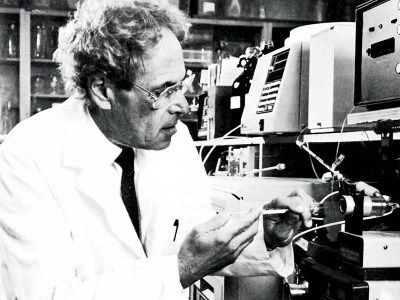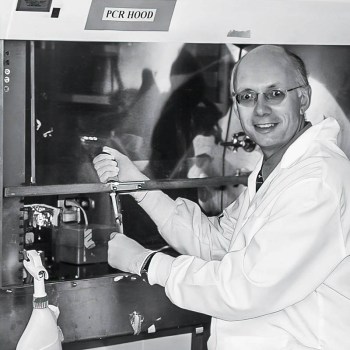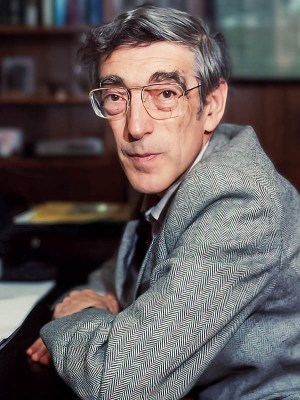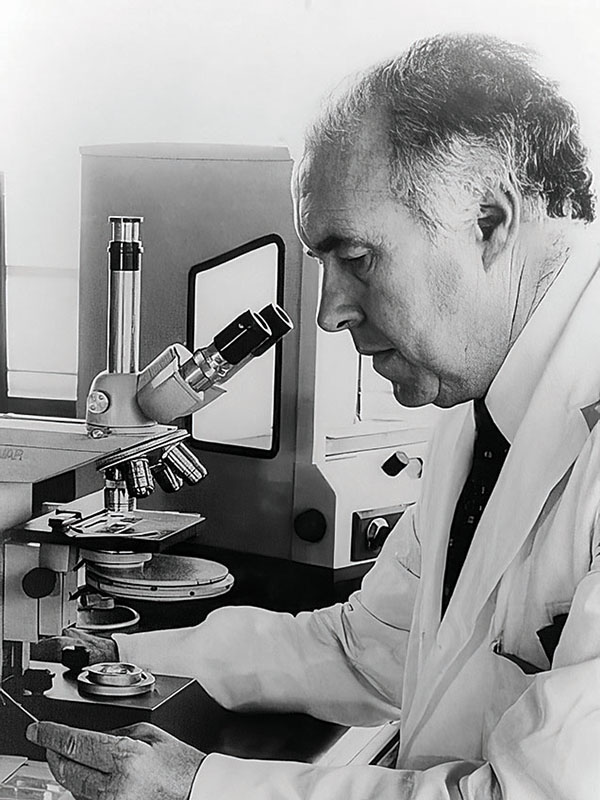

The study of redox reactions in cancer research gained momentum in the 1960s and 1970s with Dr. Albert Szent-Györgyi’s work on the role of electron transfer reactions in biological systems. Dr. Szent-Györgyi’s research, leading to the creation of the NFCR in 1973, paved the way for Dr. Helmut Sies to further expand our knowledge of redox reactions during the 1980s. With the support of NFCR, Dr. Sies became instrumental in understanding the role of oxidative stress in cancer development and progression. Amidst the growing recognition of the importance of redox reactions in cancer, Dr. Trevor Slater’s research emerged, shedding light on the intricate balance between oxidants and antioxidants. NFCR not only supported individual scientists in the field of free radicals and antioxidants, but also fostered collaboration through sponsorship of symposia such as The Oxygen, Radicals, and Cancer Workshop. The workshop coordinators, Dr. Lester Packer, Dr. Bruce Ames and Dr. Martyn Smith, started the Oxygen Club of California, an organization for collaboration on oxidant-related research. It is this spirit of collaboration that has accelerated progress for the past 50 years and continues to offer new possibilities for innovative cancer therapies and improved patient outcomes.
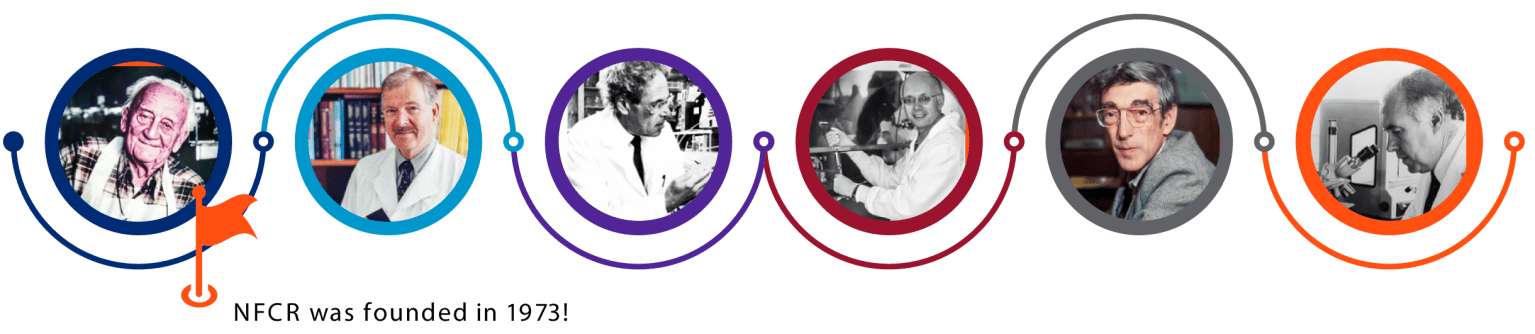
Select a Researcher Below to Learn More about their contributions to Free Radicals & Antioxidant Breakthroughs
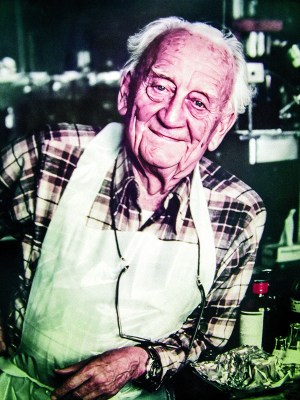
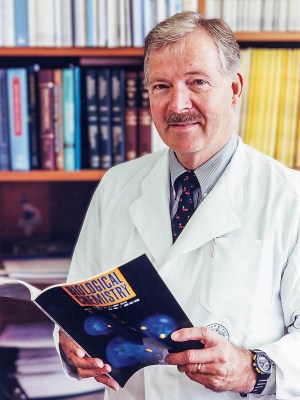
Dr. Albert Szent-Györgyi
Dr. Albert Szent-Györgyi, co-founder of the NFCR, laid the foundation for understanding the critical role of electron transfer reactions in biological systems. His identification of vitamin C’s role as an antioxidant, and its potential in combating oxidative stress, was pivotal. He elucidated cellular respiration mechanisms and their connection to cancer, enhancing our understanding of metabolism’s impact on the disease. His work laid crucial foundations for exploring therapeutic avenues and fostering innovative approaches in cancer treatment and prevention.
Dr. Helmut Sies is renowned for his pioneering work in understanding the critical role of antioxidants and oxidative stress in cellular health. His groundbreaking studies identified key mechanisms by which cells combat oxidative damage, a process implicated in various diseases including cancer. Among his notable discoveries is the role of lycopene, a compound found in tomatoes, in protecting cells from damage. His research has significantly advanced our understanding of cellular defense mechanisms and has profound implications for aging, cancer, cardiovascular diseases and other health conditions.
Dr. Lester Packer is a world-renowned expert on antioxidants and their role in disease prevention and treatment. His research has provided insight into how oxidative stress contributes to cancer development and progression. He was one of the first scientists to demonstrate that antioxidants could protect cells from damage, thereby preventing cancerous changes. Dr. Packer’s discoveries have influenced the development of treatments centered around antioxidant supplementation, contributing to the survival and quality of life of countless.
Dr. Martyn Smith is recognized for his contributions to understanding the relationship between exposure and disease. Dr. Smith’s investigations into the impact of chemical exposures on DNA mutations have unveiled critical insights, establishing links between exposure to specific chemicals and subsequent cancer risk. Dr. Smith’s research has informed policy decisions and public health strategies for agencies such as the World Health Organization and the U.S. Environmental Protection Agency.
Dr. Bruce Ames is a renowned biochemist and molecular biologist, celebrated for his contributions to genetics cancer research. Dr. Ames developed the Ames Test, a widely adopted method assessing mutagenic potential, shedding light on carcinogenic properties of chemical compounds. Dr. Ames’ work laid the foundation for understanding the role of genetic damage in cancer, shaping risk assessment, and informing public health policies regarding chemical exposure. His impact resonates through safer chemicals and advanced strategies in cancer research and prevention.
Dr. Trevor Slater has greatly advanced our understanding of free radicals’ role in cancer pathogenesis. His trailblazing studies have elucidated the molecular damage caused by these reactive species in cancer cells, thereby paving the way for innovative therapeutic approaches. Dr. Slater’s research on antioxidant therapy has offered critical insights for cancer treatment, enhancing the overall prognosis and patient care in this domain.