
How Does Cancer Begin?
Cancer develops when the body’s normal control mechanisms stop working. Under healthy conditions, new cells form and replace old cells that wear out or have become damaged.
Cancer begins to form when old cells do not die and grow out of control, creating new, abnormal cells. These extra cells may form a mass of tissue called a tumor. Some cancers, such as leukemia, do not form tumors.
As a cancerous tumor grows, cancer cells may be carried through the bloodstream or lymphatic system to other parts of the body. During this process, known as metastasis, cancer cells grow and may form new tumors. The most common sites of metastasis are the bones, brain, liver, and lungs.
Cancer is not just one disease but rather a group of more than 100 different diseases caused by the uncontrolled growth of abnormal cells in the body.

Cancer Types
Learn more about the various types of cancer and read about the latest cancer research breakthroughs and innovative cancer-fighting treatments.
Cancer-Fighting Lifestyle
A healthy diet and lifestyle can reduce your risk of cancer. Find cancer-fighting strategies, including exercise, stress reduction, and healthy foods.

Cancer Screening Guidelines
Early detection is crucial to improving cancer outcomes. Know when to be screened with these guidelines.
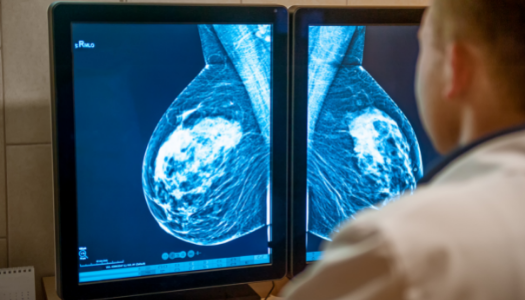
Cancer Prevention Kit
Download this Cancer Prevention Kit to see NFCR’s tips for healthy living and preventing or catching cancer early.

Dealing with a Cancer Diagnosis
Explore these resources to help empower you to take control of your cancer and move forward with confidence.

Cancer Caregiver Hub
Let NFCR help you navigate treatment conversations, daily challenges, and care for your own well-being while caring for someone with cancer.

NFCR is Attacking Cancer Head-On
There’s a paradigm shift taking place. Research is moving from an organ-focused (type of cancer) approach to a gene-focused approach (cancer genomics).
This shift is already having a profound effect on how cancer is treated, allowing doctors to offer more individualized options for patients (also known as precision medicine).
NFCR has distinguished itself from other organizations by emphasizing long-term, transformative research and working to move people toward cancer genomics. NFCR’s support of laboratories and dozens of scientists over the past 50 years has helped make possible cancer treatments that are saving lives today and in the future.
Join Our Mailing List