Scientist Showcase

The impact of NFCR's research is vast and far-reaching. The discoveries we fund result in treatments that save thousands of lives, and give scientists new tools and technology to better prevent, detect, and fight cancer - all types of cancer.

Each month, we highlight one scientist who is making an outstanding impact in the war on cancer. Read below for this month's scientists, or click here for an overview of some of our most influential discoveries.

Scientist of the Month: Dr. Laurence Cooper

DrCooperLeukemia and lymphoma are two leading cancer types in the United States, each estimated to kill more than 20,000 people in 2010 alone, including children under 15. Adoptive immunotherapy is a novel treatment that kills leukemia and lymphoma cells and is proving beneficial to these patients. In children with cancer, the therapy may even be used to avoid chemo- and radiation-therapy and their associated long-term toxicities.

Because cancer cells can escape an attack of T cells-the main immune cell our bodies use to detect and destroy cancer cells-adoptive immunotherapy aims to redirect a patient's T cells to target and attack cancer cells.

The advancements in this field, mainly from results of clinical trials conducted in research hospitals, are rapidly being made and NFCR scientist, Laurence Cooper, M.D., Ph.D., is a constant contributor.

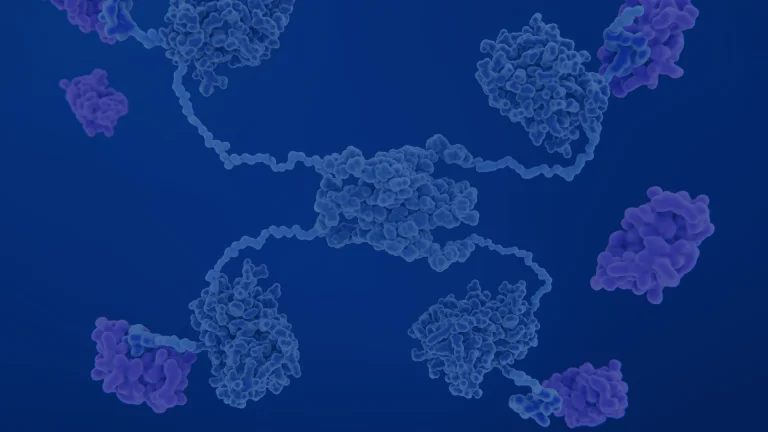
Dr. Cooper and his team conducted the first-in-human clinical trial of adoptive immunotherapy for patients whose CD19+ lymphoma no longer responded to standard treatment. The scientists developed a synthetic gene that when placed in T cells collected from lymphoma patients, expresses an antenna-like molecule called CAR (chimeric antigen receptor). CAR redirects T cells to recognize CD19+ molecules on lymphoma cells. Once infused back into patients, the CAR T cells should be able to target and mount a full-blown immune attack on CD19 + lymphoma cells. The phase I trial successfully established the feasibility and safety of the method for use in patients.

As a physician and scientist, Dr. Cooper recognized CAR T cells could have enhanced killing power. With continued NFCR seed funding, his team at M.D. Anderson Cancer Center forged ahead and developed a more powerful CAR and an efficient and less expensive way to make CAR T cells. A 2nd clinical trial will begin soon to boost patients' immune system with the empowered CAR T cells after their bone marrow transplant or autologous hematopoietic stem-cell transplantation (HCST).

Moving the research into the frontier, the scientists have recently published their laboratory results demonstrating a novel, high throughput device that rapidly makes large numbers of a new variant of CAR T cells. Although still early in its development, Dr. Cooper predicts the new variant of CAR T cells made with their innovative device will have vast implications for a faster and safer method to redirect patient immune cells. The planning for a 3rd clinical trial has been initiated by the Cooper team.

A common problem in adoptive immunotherapy is that CAR T cells cannot distinguish between normal and cancerous tissues as both express the CD19 molecule. The Cooper research team has recently created an innovative method that will empower the CAR T cells to only attack CD19+ cancer cells, thereby limiting any deleterious targeting of normal tissues. Preliminary laboratory results are very encouraging. The field of adoptive immunotherapy is staying tuned for the use of this unique method that will treat patients in a new clinical trial.

Dr. Cooper's research and series of clinical trials are impacting and advancing the clinical application of CAR-based technology for adoptive immunotherapy that is helping patients fight their cancer.

Your support of Dr. Cooper's work can lead to the development of adoptive immunotheraphy, providing patients the hope they deserve.

Click here to read more about Dr. Cooper's research on developing adoptive immunotheraphy to combat cancer.


To read about other ways our science is impacting cancer patients, click here.


Sign Up Now!

Sign up now to receive cancer prevention tips, research updates, monthly recipes, news and events, and more!

Name:
Email:


NFCRfacebook2 NFCRtwitter2 causes