Research by Type:
| Helmut Sies, M.D. |
|
Heinrich Heine Universitat
Micronutrients and Cancer Prevention More than 30% of human cancers are thought to be related to dietary factors. While some foods can contribute to cancer initiation, others such as some micronutrients may help prevent cancer. Micronutrients are necessary vitamins and minerals that are needed in small quantities to keep our body healthy. As cancer remains one of the deadliest diseases around the world, cancer prevention has become more critical. A key research area in cancer prevention is to identify and study cancer-preventing dietary items. This knowledge could guide the public to practice a healthier diet and help prevent cancer.
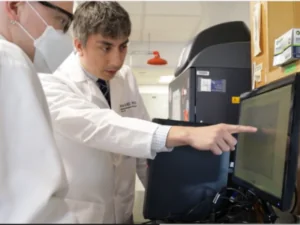
NFCR Fellow Helmut Sies, M.D., is a biochemist at Heinrich-Heine-Universitat in Dusseldorf, Germany. Growing up in the country side in Germany, Helmut Sies had a keen interest in plants and how they survive the harsh natural environment. A leading expert in cancer prevention research, Dr. Sies has published more than 500 original research articles and book chapters in a variety of topics in nutrition and cancer prevention-many of which stem from plant products. With NFCR funding, Dr. Sies and his team have made several breakthroughs. NFCR Research Overview Dr. Sies past research breakthroughs on micronutrients include the discovery that the carotenoid, lycopene, an antioxidant found in tomatoes, helps prevent oxidation or the damage to cells by free-radicals-which is the largest environmental cause of cancer. His team further demonstrated that the lycopenes in processed or heated tomatoes, such as tomato paste and ketchup, are absorbed better by our body than those in fresh tomatoes or tomato juice. Moreover, Dr. Sies' research has shown that lycopene and other carotenoids (found in carrots and other vegetables) and flavonoids (found in cocoa products) can prevent UV- induced damage of human skin, preventing skin cancer. This truly important research is helping the development of functional foods that may enable humans to create a "second layer of powerful sunscreen from inside out". Carotenoids and flavonoids are antioxidants found in nature and mainly produced by plants. Dr. Sies and his team are currently investigating the antioxidant effects of synthetic compounds where the basic structures of flavonoids and carotenoids were chemically linked. Such compounds, named flavocarotenoids, are not present in nature but the Sies' team research indicates they might be more powerful antioxidants than the single components. Dr. Sies' recent studies also demonstrate that essential fatty acids are another group of micronutrients with skin protection effects. These fatty acids interfere with inflammatory processes and strengthen the barrier function of the skin, preventing initiation and progression of skin cancer. This discovery increases the possibilities to use dietary intervention for protection against cancer and allows optimizing combinations of micronutrients in the development of functional foods. Another research focus of Dr. Sies is to investigate pathways of cellular signaling relevant in cancer development. Gap junctional intercellular communication (GJIC) is a direct signaling pathway for the exchange of development and growth control signals between neighboring cells. Normal cells have functional GJIC and are inhibited from growing when they contact neighboring cells. Typically, cancer cells lack growth control and are not able to terminally differentiate, which has at least in part been attributed to disturbed GJIC. Dr. Sies has recently shown that UV-light decreases GJIC-such interference may play a role in UV-dependent cancer initiation. His team is currently investigating the effects of carotenoids on GJIC in UV-A irradiated skin damage. Dr. Sies' interest in cancer prevention research is diversified, and is extended to studies on Nitric Oxide (NO). Nitric Oxide is a small molecule that has been indicated in cancer-related events such as angiogenesis (blood vessel formation), apoptosis (cell suicide), cell cycle, invasion, and metastasis. Dr. Sies found that NO affects the formation of prostate-specific antigen (PSA) and the activity of genes that are dependent upon the receptor for the sex hormone, androgen, (androgen receptor-dependent gene activity); both are related to prostate cancer. In addition, his team has identified that two amino acids, arginine and cysteine, play an important role in NO production and function, uncovering an intimate linkage of nutrients with this important cancer-related molecule. Impact on Cancer Prevention, Treatment, or Cure The research of Dr. Helmut Sies has made a significant impact on cancer prevention through nutrition. His finding that the antioxidant lycopene in tomatoes reduces cancer risk, particularly skin cancer, has led cancer experts to recommend that people eat more processed tomato products in their daily diets. The basic discovery of the molecular actions of this substance would not have been possible without the work of Dr. Sies. Clearly, his discoveries increase the possibilities of using dietary intervention for cancer prevention. Future Research Goals With ongoing support from the National Foundation for Cancer Research, Dr. Sies will continue to pursue answers to the fundamental question of what turns a healthy cell into a cancerous one. NFCR's understanding of and support for the unpredictable nature of research plays a critical role in Dr. Sies' work. According to Dr. Sies, "NFCR funding is, literally speaking, worth double the money value, because of the unusual flexibility and low red-tape ... NFCR funding can be used for the interesting, unforeseen, sparking-up topics which cannot be administratively planned item by item." NFCR is proud to support such exploration and discovery that will lead to better methods for treating, curing, and preventing cancer. |


NFCR Fellow Expertise