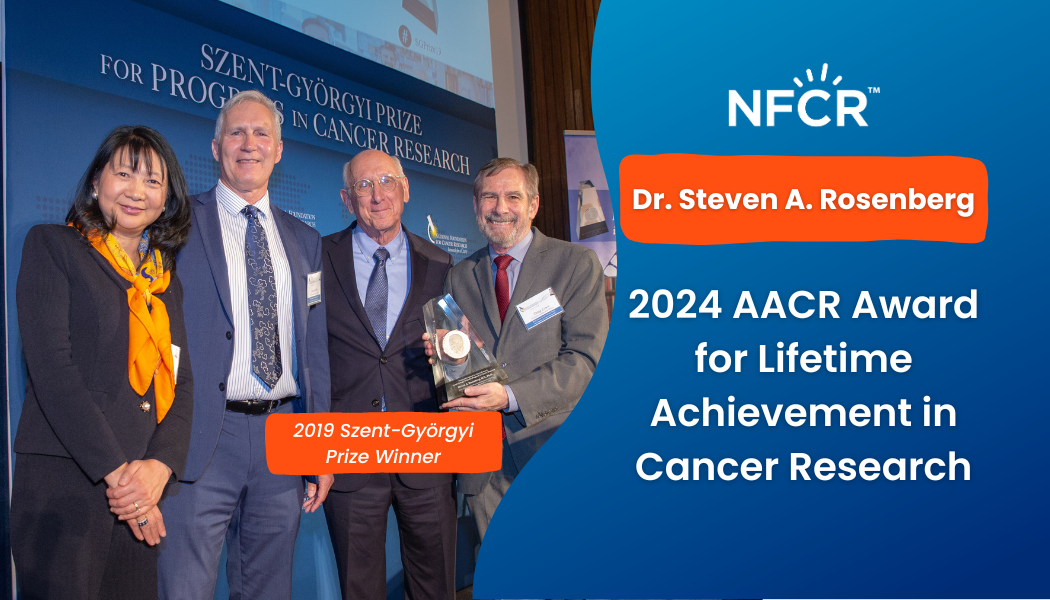


Awarded as 2024
Pioneers in Medicine
to Give & Help
Support Our
Mission
PHILANTHROPY
TO NFCR CAN
MAKES CURES
POSSIBLE.
View our latest video to learn more about NFCR’s mission, focus and unique approach to cancer research.
How to Get Involved





Testimonials
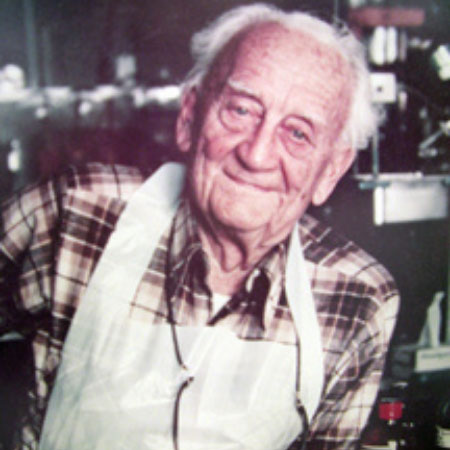
“Cancer is a disease that can be cure…”
- Albert Szent-GyörgyiM.D., Ph.D. 1937 Nobel Laureate, NFCR Co-Founder
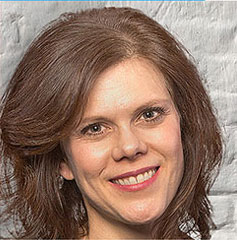
“As a metastatic breast cancer patient undergoing treatment, I intimately know that patients and research are in a marathon. The record speed in the development of the COVID-19 vaccine came from the groundwork of past research. Other diseases demand similar critical attention and research. We have supported NFCR since 1999. We appreciate that their national position promotes a thoughtful continuum where feedback loops from across the country to inform research, coordination, and collaboration. NFCR helps break down the silos that stifle research.”
- ERIKA CORNELISENLate supporter and Former Executive Director, The Alvin H. Baum Fund
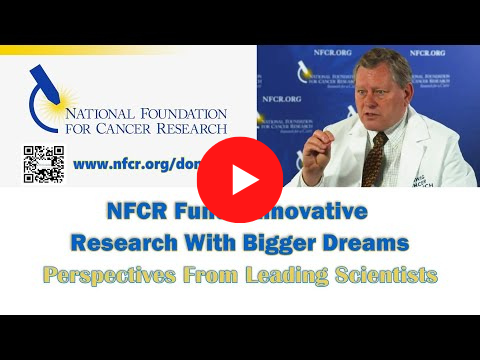
“Donors are the linchpin. Not only do I thank you, the World will thank you.”
- Dr. Web CaveneeScientific Advisor
Watch this video to learn more about how NFCR has supported many breakthroughs that are helping to identify and minimize the impact of metastasis on cancer patients.
The National Foundation for Cancer Research offers the latest news and information in cancer research, treatment, prevention and education. We encourage you to sign-up to explore our newsletter articles, blog posts, survivor stories, local events and more.